Cybersecurity
Cognizant joins Qualys alliance to accelerate AI-driven cyber risk management


Cognizant is expanding its partnership with Qualys to help enterprises identify, prioritize and fix cybersecurity vulnerabilities faster, combining AI-powered automation with managed security services and human oversight.
[For more news, click here]
The growing use of artificial intelligence in cybersecurity is changing how organizations identify and respond to threats. AI-powered tools can discover software vulnerabilities faster, but identifying more weaknesses does not necessarily make businesses safer. Security teams still need to determine which vulnerabilities pose the greatest risk, which systems are exposed and how quickly they can take action without disrupting operations.
Cybersecurity company Qualys has expanded its strategic alliance with Cognizant, bringing the technology services provider into its Global Managed Risk Operations Center (mROC) Alliance. The collaboration combines Qualys' AI-powered risk management platform with Cognizant's cybersecurity services to help organizations detect, assess and address vulnerabilities across cloud, AI and hybrid IT environments.
The announcement builds on Qualys' wider expansion of its mROC ecosystem earlier in November, when it introduced additional technology partners covering identity security, mobile devices and operational technology.
AI accelerates vulnerability discovery and security challenges
The partnership comes as organizations face growing pressure to manage the volume and complexity of security vulnerabilities. According to Tenable's analysis of Microsoft's November 2026 security updates, the company addressed 1,093 vulnerabilities, including 63 classified as critical.
However, identifying vulnerabilities is only one part of the challenge. Security teams must assess whether weaknesses can be exploited, how exposed the affected systems are and which issues require immediate attention.
Research from the Qualys Threat Research Unit found that of 48,172 vulnerabilities disclosed in 2025, only 357, or 0.74%, met its criteria for confirmed remote exploitability and active weaponization. The findings highlight the importance of risk-based prioritization, although the absence of confirmed exploitation does not mean other vulnerabilities are harmless.
A separate Cognizant cybersecurity survey of 201 senior security leaders at US enterprises found that 83% reported an AI-related security incident within the previous 24 months, despite 97% increasing their cybersecurity budgets. The findings suggest that higher spending alone may not be enough to address emerging security challenges.
Combining AI detection with managed remediation
Through the partnership, Cognizant will operate an AI-enabled Risk Operations Center using Qualys Enterprise TruRisk Management (ETM) and TruRisk Eliminate. The services will connect vulnerability detection, risk assessment and remediation within a managed security framework.
Qualys' InstaScan technology identifies potentially affected assets using existing inventory data without requiring a new scan. The company reported detecting 90% of relevant exposures within minutes of Microsoft's November Patch Tuesday disclosures, although the result has not been independently verified.
Its Agent Val technology is designed to validate whether identified vulnerabilities are exploitable within a customer's environment. Cyber risk quantification tools then estimate their potential financial impact, helping organizations prioritize remediation according to business risk rather than technical severity alone.
The final stage uses TruRisk Eliminate to recommend and apply fixes, including software patches, mitigations or system isolation. Cognizant will manage implementation alongside customers, taking account of existing approval procedures and operational requirements.
The companies plan to offer four managed services covering risk assessment, platform integration, continuous monitoring and remediation. For enterprises already using multiple security tools, the approach aims to reduce fragmentation between identifying threats and resolving them.
Human oversight remains essential to automated security
Automating vulnerability management introduces additional considerations, particularly when security systems can change configurations or isolate business applications without direct intervention.
Qualys and Cognizant say automation will be introduced gradually, starting with lower-risk systems and operating within customer-defined approval processes. The approach reflects wider concerns about granting autonomous technologies access to critical enterprise infrastructure.
As Tech Revolt previously explored in its coverage of BeyondTrust's cybersecurity predictions for 2027, organizations increasingly need to manage not only what AI agents can access but also the actions they are authorized to perform.
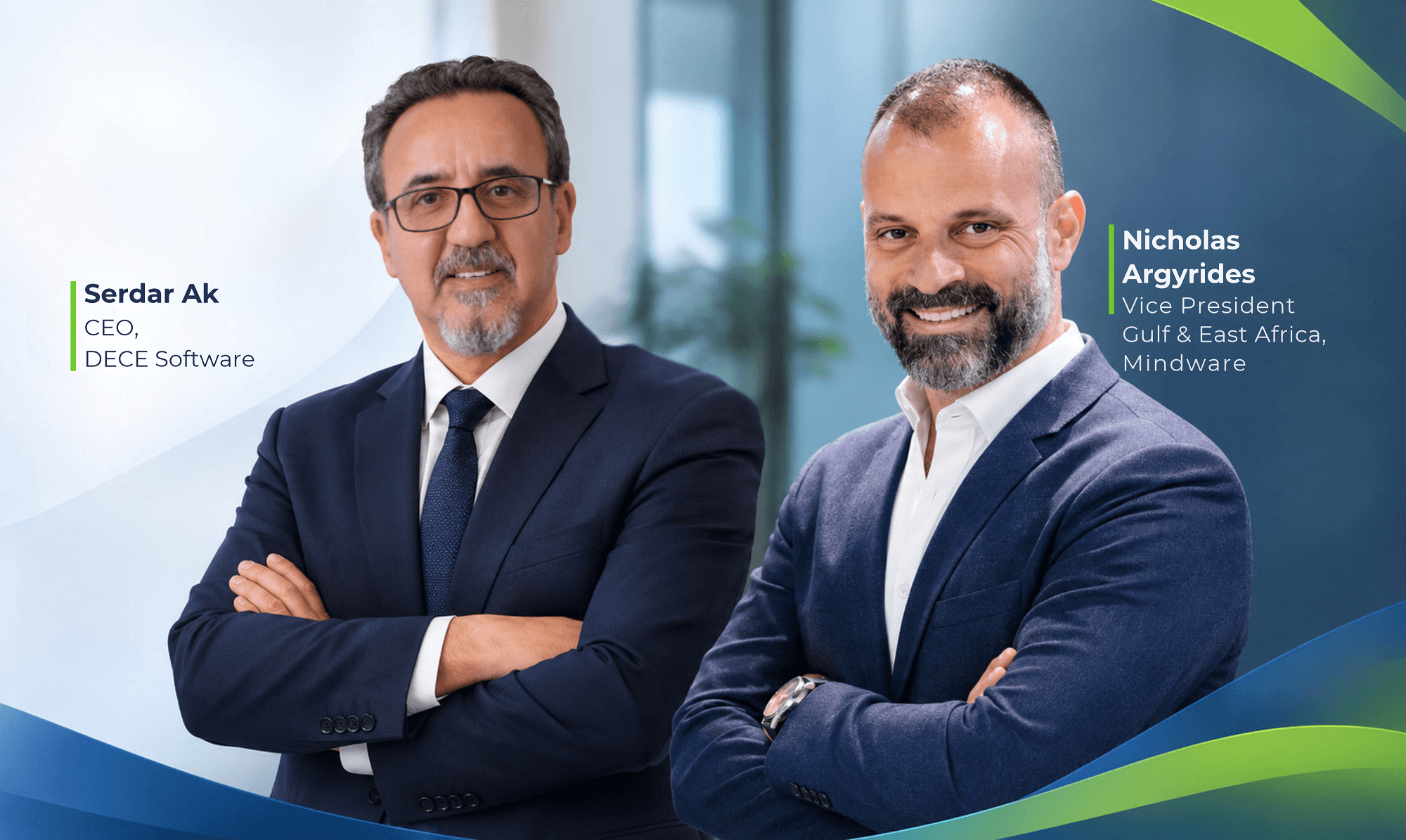
The challenge is particularly relevant to organizations operating across complex IT environments. In the Middle East, recent developments such as Mindware's partnership with DECE Software also reflect growing interest in connecting data visibility with practical protection measures.
The Qualys-Cognizant announcement does not disclose the financial terms, named customer deployments or independently measured security improvements associated with the expanded alliance. Its impact will depend on whether organizations can reduce their exposure to exploitable vulnerabilities while maintaining reliable operations and appropriate human oversight.
Related Articles
Qualys InstaScan Targets Faster Vulnerability Detection After New Disclosures
Exclusive: Middle East CISOs Evolve Into Strategic Business Risk Managers
Microsoft's Vulnerability Numbers Went Down, That's Actually the Scary Part