Fintech
DIFC Opens Innovation Ecosystem to 6,000 Japanese Startups as FinTech Hub Surpasses 2,000 Firms

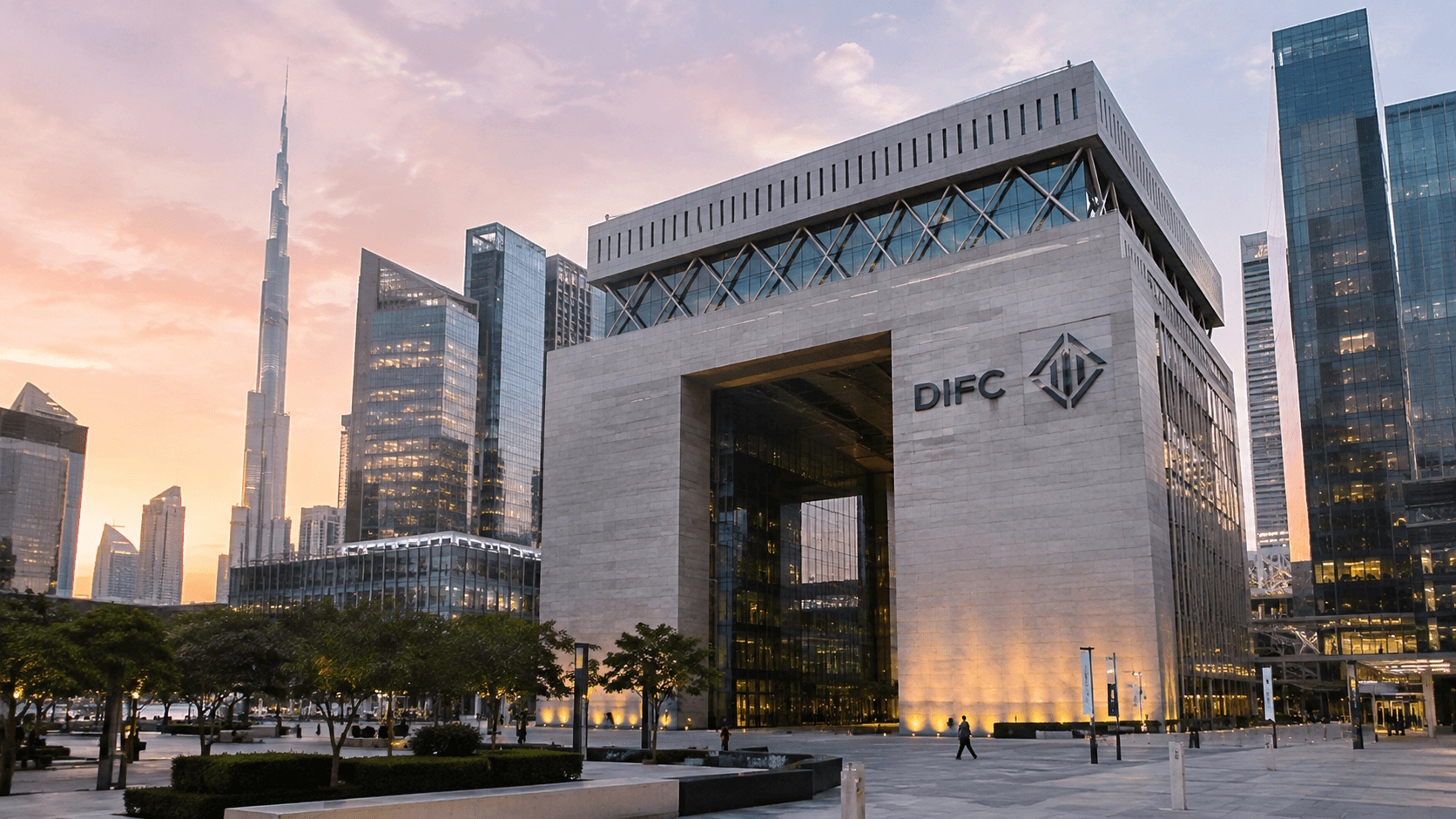
Dubai International Financial Centre (DIFC) is expanding its global FinTech network through a partnership targeting 6,000 Japanese startups. DIFC also plans for a new digital infrastructure platform, as its innovation ecosystem grows beyond 2,000 companies.
[For more news, click here]
As financial technology companies look beyond their domestic markets, access to regulatory frameworks, financial infrastructure, and established business networks is becoming increasingly important for international expansion. Financial centers are responding by developing ecosystems that connect emerging technology businesses with investors, institutions, and potential customers.
Against this backdrop, Dubai International Financial Centre (DIFC) has announced a new partnership that will provide up to 6,000 Japanese startups with access to its innovation ecosystem, creating potential opportunities for cross-border investment, business collaboration, and international growth.
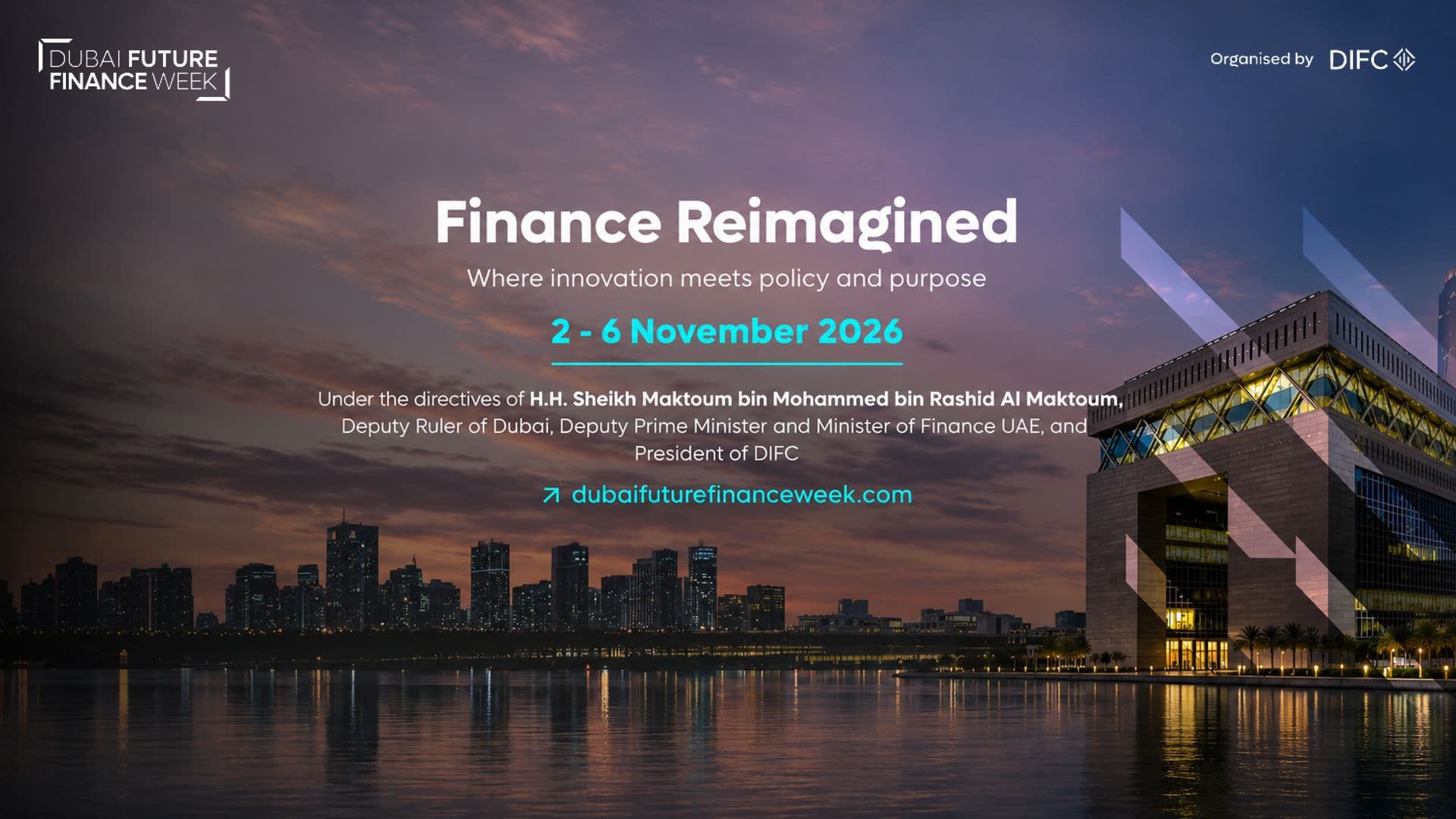
The announcement was made on November 3 during the second day of Dubai Future Finance Week, where DIFC also revealed that more than 2,000 artificial intelligence (AI), FinTech, and innovation companies are now operating within its ecosystem.
The partnership is intended to strengthen connections between Japanese startups and Dubai's financial technology sector while supporting DIFC's efforts to develop economic corridors linking international markets.
However, the announcement did not specify the Japanese partner involved, the eligibility requirements for participating startups, or a timeline for implementation. It also remains unclear how many of the eligible companies are expected to establish operations in Dubai.
Dubai Plans Integrated FinTech Infrastructure
Alongside the partnership, DIFC unveiled plans to introduce the Dubai FinTech Stack, an infrastructure initiative intended to help emerging financial technology companies establish operations, develop products, and expand internationally.
The planned platform will bring together capabilities covering customer onboarding, payments, risk management, financial security, and AI integration.
These functions are essential to many digital financial services, particularly startups developing payment solutions, digital banking products, and AI-powered financial applications.
By making these capabilities accessible through an integrated infrastructure, the initiative could reduce some of the operational complexity involved in developing and scaling financial technology businesses.
DIFC has not yet disclosed a launch date, pricing structure, or the technology providers that will support the platform.
The initiative builds on DIFC's broader efforts to establish an environment where financial technology companies can access regulatory support, investment networks, and industry partnerships.
The center established its financial innovation strategy in 2016 and launched its FinTech Accelerator in 2017 with 11 startups.
According to Arif Amiri, CEO of DIFC Authority, the center's objective extends beyond attracting technology businesses to providing the resources and connections needed to compete internationally.
Global FinTech Market Projected to Reach $1.5 Trillion by 2030
The announcements coincided with the launch of the Digital Economy 2.0 report, developed by DIFC in collaboration with research partner Asia House.
The report projects that the global FinTech market will reach $1.5 trillion by 2030, driven by developments in digital financial services, AI applications, and financial infrastructure.
It also forecasts global technology spending of $5.6 trillion in 2026 and estimates that AI could contribute $22.3 trillion to the global economy by 2030.
These figures represent projections rather than realized economic outcomes, with the pace of growth dependent on technology adoption, investment conditions, and regulatory developments.
The report identifies access to capital, skilled talent, and adaptable regulatory frameworks as important factors supporting the next phase of digital economic growth.
For Dubai, these developments align with the Dubai Economic Agenda (D33), which aims to position the emirate among the world's four leading global financial centers.
From Startup Access to Commercial Growth
DIFC's latest announcements reflect a broader shift in financial technology development, where attracting startups is only one part of building a competitive innovation ecosystem.
The combination of international partnerships, shared technology infrastructure, and access to financial institutions could create opportunities for startups seeking to enter new markets without building every operational capability independently.
However, the commercial impact of these initiatives will depend on implementation, the accessibility and cost of the proposed services, and the extent to which participating startups can secure customers, investment, and long-term business opportunities.
For financial centers competing to attract global technology businesses, the challenge is increasingly about converting ecosystem access into sustainable commercial growth rather than simply increasing the number of companies they host.