Technology
Social Media Bans for Under-16s Are Gaining Global Support, But the Debate Is Far From Settled

Support for banning social media use among under-16s is rising globally, with new data showing that nearly two-thirds of parents in the UAE back such a move. The findings reflect a broader shift in how families and policymakers are beginning to rethink the role of technology in childhood.
Support for banning social media use among under-16s is rising globally, with new data showing that nearly two-thirds of parents in the UAE back such a move. The findings reflect a broader shift in how families and policymakers are beginning to rethink the role of technology in childhood.
The data, released as part of a global study by Family First, points to growing concern among parents—but also highlights a clear divide between generations. While momentum is building behind stricter controls, younger users remain far less convinced.
A growing global push to regulate social media
Efforts to restrict access to social platforms for younger users are no longer isolated policy ideas. Countries such as Australia have already introduced early forms of regulation, while more than two dozen others are actively exploring similar measures.
At the centre of this shift are concerns that have been building for years—ranging from mental health and online safety to the long-term effects of growing up in always-on digital environments. What was once largely a parental issue is now becoming a policy priority.
The organisations shaping the conversation
Behind the data is a growing ecosystem of organisations influencing how this debate evolves. Family First, an initiative of the Varkey Foundation , is positioning itself at the forefront through one of the first global intergenerational studies on social media use and family dynamics.
At the same time, governments are increasingly stepping in to translate concern into action. Australia’s move to introduce restrictions has set a precedent, and similar discussions are now taking place across Europe, Asia, and North America. Research organisations are also playing a critical role, providing the data that underpins both media narratives and policy decisions.
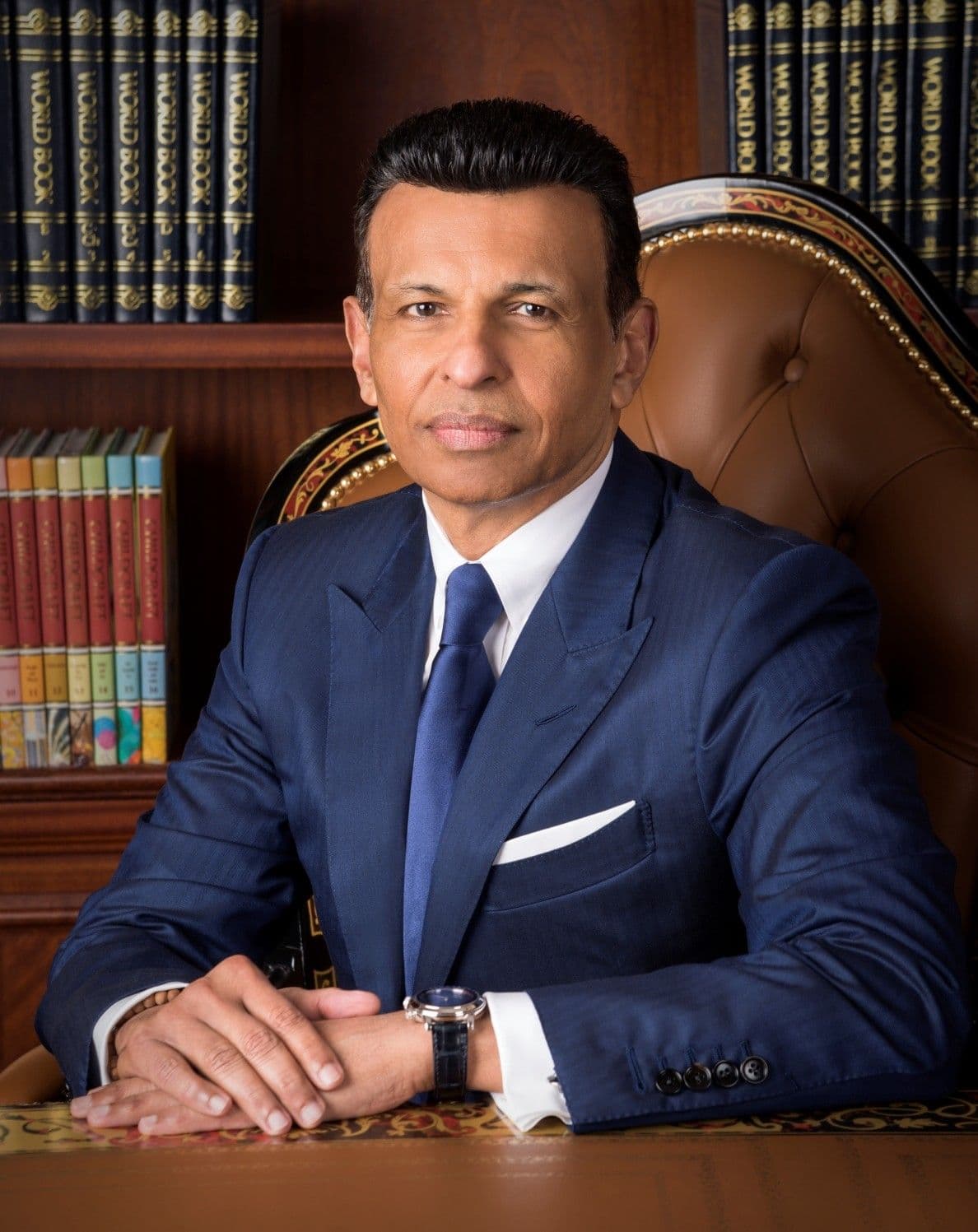
As Sunny Varkey, Founder of Family First and the Varkey Foundation explains, the issue goes beyond regulation alone:
A clear generational divide
The findings reveal a consistent gap between how parents and children view the issue. In the UAE, 63% of parents support a ban on social media for under-16s, compared to 45% of children. A significant portion of young respondents remain undecided, highlighting just how complex the issue is among those most directly affected.
This divide is not unique to the UAE. Globally, similar gaps are emerging, with some of the widest differences seen in countries such as Australia, Sweden, and Canada. The data suggests that while parents are increasingly cautious, younger users are still weighing the trade-offs between access and restriction.
Interestingly, Gen Z—often seen as the most digitally immersed generation—shows relatively strong support for restrictions in several markets, including the UAE and India. That support challenges the assumption that younger generations are universally opposed to tighter controls.
Why this shift is happening now
The timing of this shift is not accidental. Greater awareness of mental health challenges, combined with growing scrutiny of social media platforms, has pushed the issue into the mainstream. Governments are more willing to regulate, parents are more vocal about concerns, and research is making the long-term effects harder to ignore.
Together, these forces are turning what was once a fragmented conversation into a coordinated global debate.
What happens next
The future of social media regulation for younger users is unlikely to be shaped by a single group. Instead, it will depend on how governments, advocacy organisations, researchers, and technology platforms align, or clash, on the issue.
What is clear is that the conversation has moved beyond whether action is needed. The focus is now on how far that action should go, and what role each stakeholder will play in shaping it.
The takeaway
The growing support for social media bans among parents signals a clear shift in sentiment, but the divide with younger generations shows the issue is far from resolved.
This is no longer just a debate about limiting screen time. It reflects a deeper reassessment of how technology fits into childhood—and what responsibility societies have in shaping that experience.