AI
SpaceX Secures $40 Billion in Debt as AI Infrastructure Spending Surges

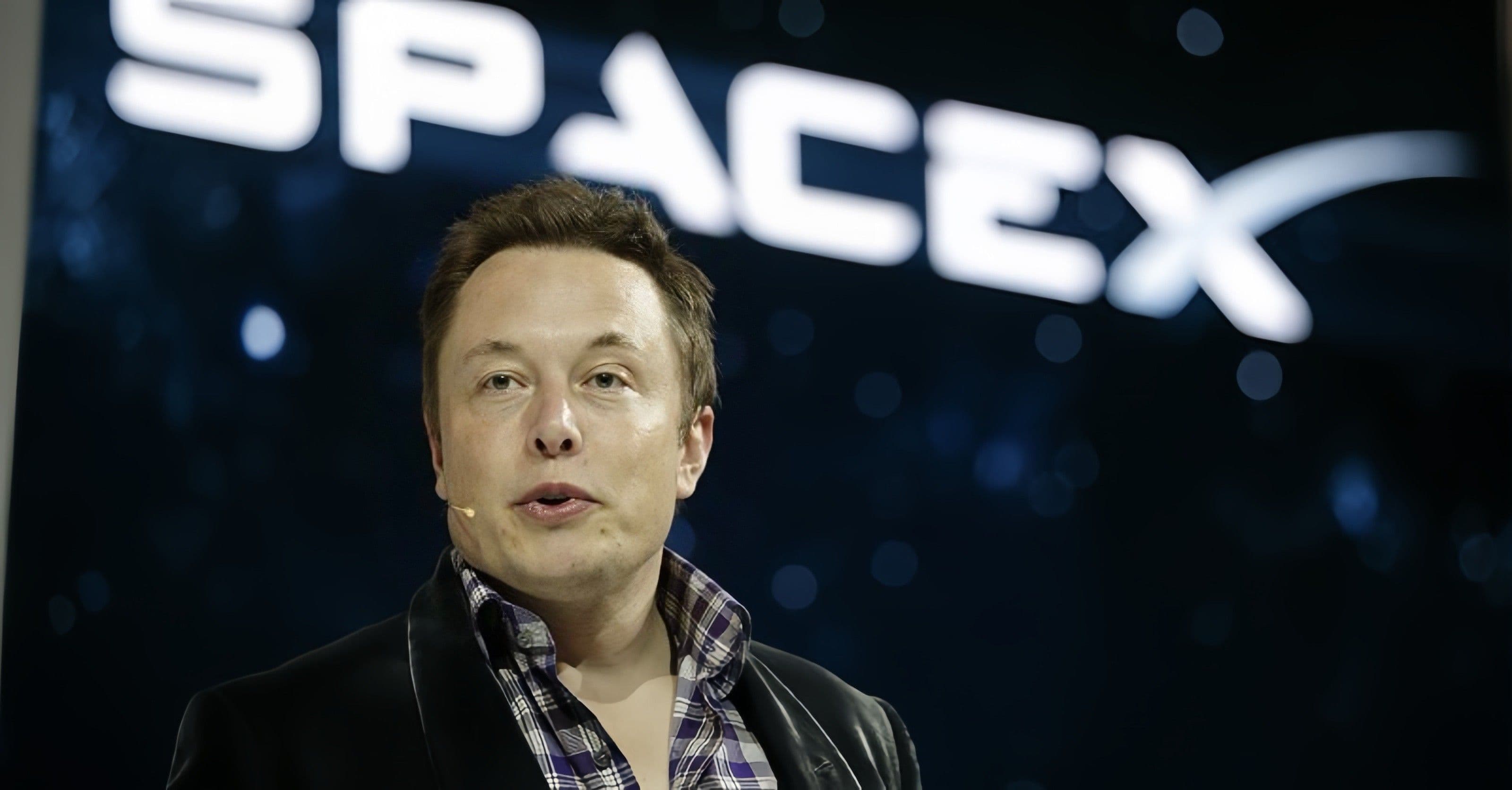
Elon Musk’s latest financing deal highlights how established revenue streams could give some companies an advantage as the cost of building AI infrastructure continues to rise.
[For more news, click here]
The race to build AI infrastructure is becoming as much a contest for capital as it is for computing power. Elon Musk’s SpaceX has secured $40 billion in debt financing to buy GPUs from Nvidia, with deliveries expected in the first half of 2027. The deal comes as the cost of expanding AI computing capacity climbs and Musk warns that many smaller providers could struggle to secure the financing needed to compete. SpaceX has an advantage that those companies may lack: established revenue from its Starlink satellite internet service and rocket launch business.
Musk attributed the financing to SpaceX’s investment-grade credit status and income from Starlink and its launch operations. Those businesses provide lenders with a broader financial picture than they would have with a company relying almost entirely on AI computing revenue.
Established Revenue Helps Fund the AI Push
SpaceX’s latest financial results show how quickly its AI operations have grown. The company reported third-quarter 2026 revenue of $14.58 billion, up 161% from a year earlier, with its AI business contributing $7.56 billion. Capital expenditure reached $19.6 billion during the quarter, including $16.4 billion for AI infrastructure. Chief Financial Officer Bret Johnsen expects total spending to reach $35 billion to $40 billion in the fourth quarter. That level of spending reflects the cost of securing computing capacity at scale. Advanced chips are expensive, but data centers also require reliable electricity, cooling systems, networking equipment, and ongoing maintenance. Companies must commit much of this capital before their facilities reach full utilization, leaving them exposed if customer demand falls short of expectations.
Borrowing allows SpaceX to fund its expansion without relying entirely on issuing new shares, but it also adds repayment obligations as spending accelerates. The investment will ultimately need to generate enough returns to justify its cost.
Debt Could Reshape the AI Cloud Market
The financing challenge is greater for smaller AI cloud providers, many of which depend on borrowing to expand their computing capacity. Musk expects widespread failures and consolidation among more than 200 specialized providers, commonly known as neoclouds. These companies rent computing power to businesses developing and running AI systems, allowing customers to access advanced hardware without the expense of building their own facilities.
Providers such as CoreWeave and Nebius operate in this market, where growth requires substantial investment in hardware and infrastructure. Their business models depend on attracting enough customers to cover those costs. If financing becomes more expensive, prices fall, or demand weakens, heavily indebted operators could face pressure even as the wider AI market continues to grow.
Musk’s prediction of widespread failures remains uncertain. Specialized providers serve customers that need computing capacity without wanting to operate their own data centers, and demand for AI infrastructure continues to create commercial opportunities. The risk lies in how individual companies finance their expansion and whether their revenue can support the cost of operating increasingly expensive facilities.
SpaceX, meanwhile, plans to build the computing capacity it needs rather than acquire specialist cloud providers. That gives the company control over its infrastructure but also leaves it responsible for making the investment pay off. Its latest results show strong revenue growth, although the scale of its capital spending means that maintaining growth alone will not be enough. The company will need to generate returns that justify the cost of its expansion.
The $40 billion deal puts a broader industry issue into focus. Established businesses with dependable revenue and strong credit may have more room to finance AI infrastructure, while specialist providers face greater pressure to demonstrate that their investments can be sustained. SpaceX has more financial flexibility than companies dependent on AI computing alone, but its own spending commitments leave little room for complacency.
Related Articles
The Problem With AI Isn't the Model, It's Where the Data Lives
Everpure Launches a Fix for AI's Data Problem
VAST Data and AMD Expand AI Infrastructure Alliance to Tackle the Industry's Inference Bottleneck