AI
Al Gharbia Uses AI Inspection to Support UAE Pipeline Supply

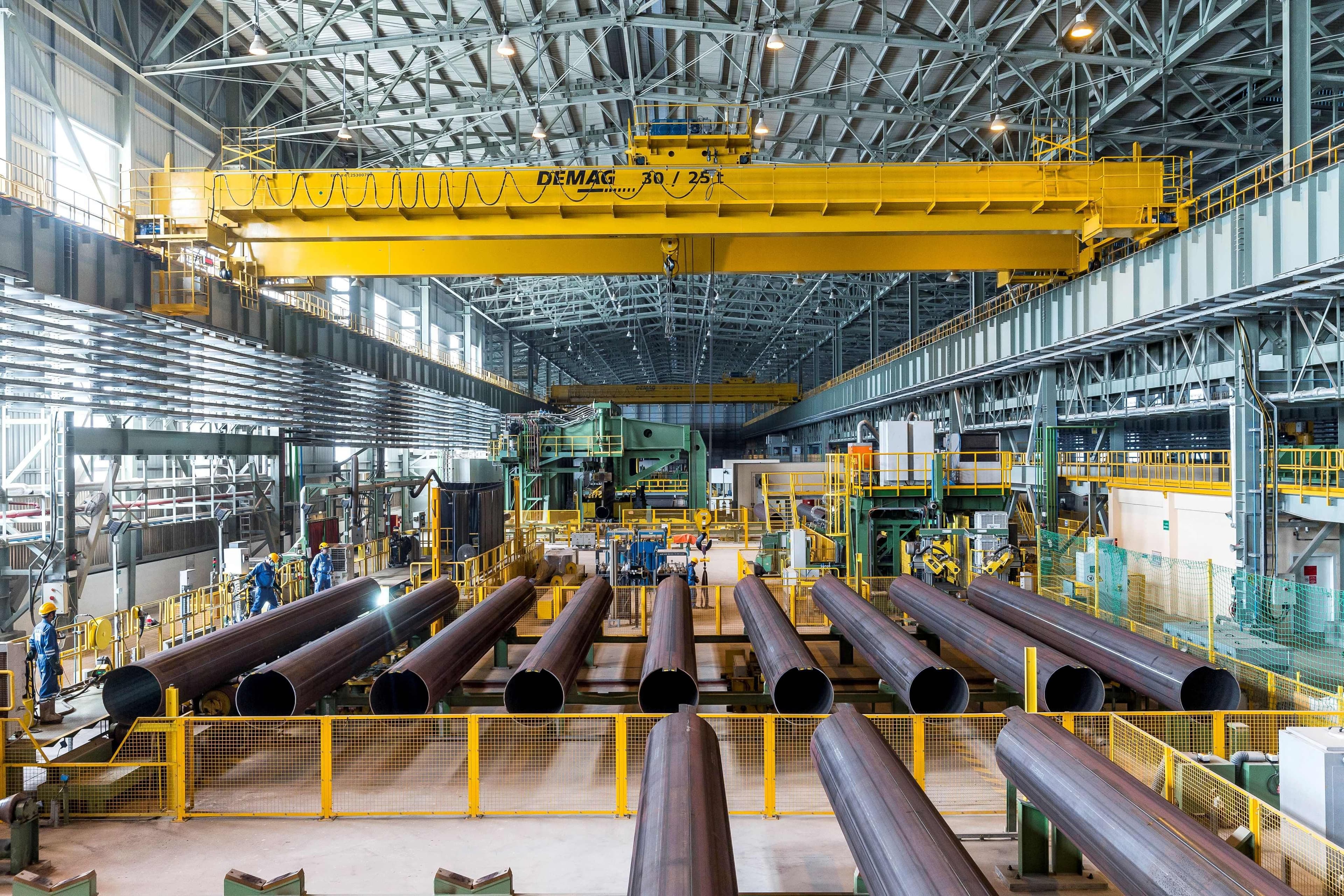
The Abu Dhabi pipe producer says automated quality checks, digital production systems and access to ports on both UAE coasts support its energy infrastructure work.
For more news, click here.
Energy pipeline projects depend on the quality of the pipes supplied and the reliability of their delivery. Manufacturers must meet project specifications while keeping steel imports and finished products moving when shipping conditions change.
Abu Dhabi-based Al Gharbia Pipe Company (AGPC) says it is using AI-powered inspection, automation and digital production systems to support that work. In a press release, the manufacturer outlined how its factory capabilities and access to multiple ports contribute to the supply of longitudinally submerged arc-welded steel pipes, known as LSAW pipes.
The company said it has supplied approximately 360,000 meters of pipe, weighing about 220,000 metric tons, for a major oil pipeline project. It described the pipeline as an alternative export pathway intended to increase the flexibility of the UAE's energy supply chain.
Inspection and production control
AGPC says its AI-powered quality inspection and safety monitoring systems are designed to identify possible defects and workplace risks. Combined with automation and digital production technologies, the systems support traceability and help the company meet the quality requirements of energy infrastructure projects.
Established in 2015, AGPC manufactures its pipes at Khalifa Industrial Zone Abu Dhabi. The company lists American Petroleum Institute approvals and ISO certifications covering quality, environmental management and occupational health and safety among its credentials.
The technology is part of an existing manufacturing program. In an October 2025 announcement, AGPC described work with du Tech on AI-powered vision systems, integration with its manufacturing execution system and automation. Manufacturing execution systems coordinate and track factory operations, connecting production activity with the information needed to manage it.
For pipe production, the practical role of these tools is to make inspection information useful within the manufacturing process. Detecting a possible defect and retaining a record of production checks can help identify where further examination is needed. The latest release does not quantify changes in defect rates, production output or workplace incidents.
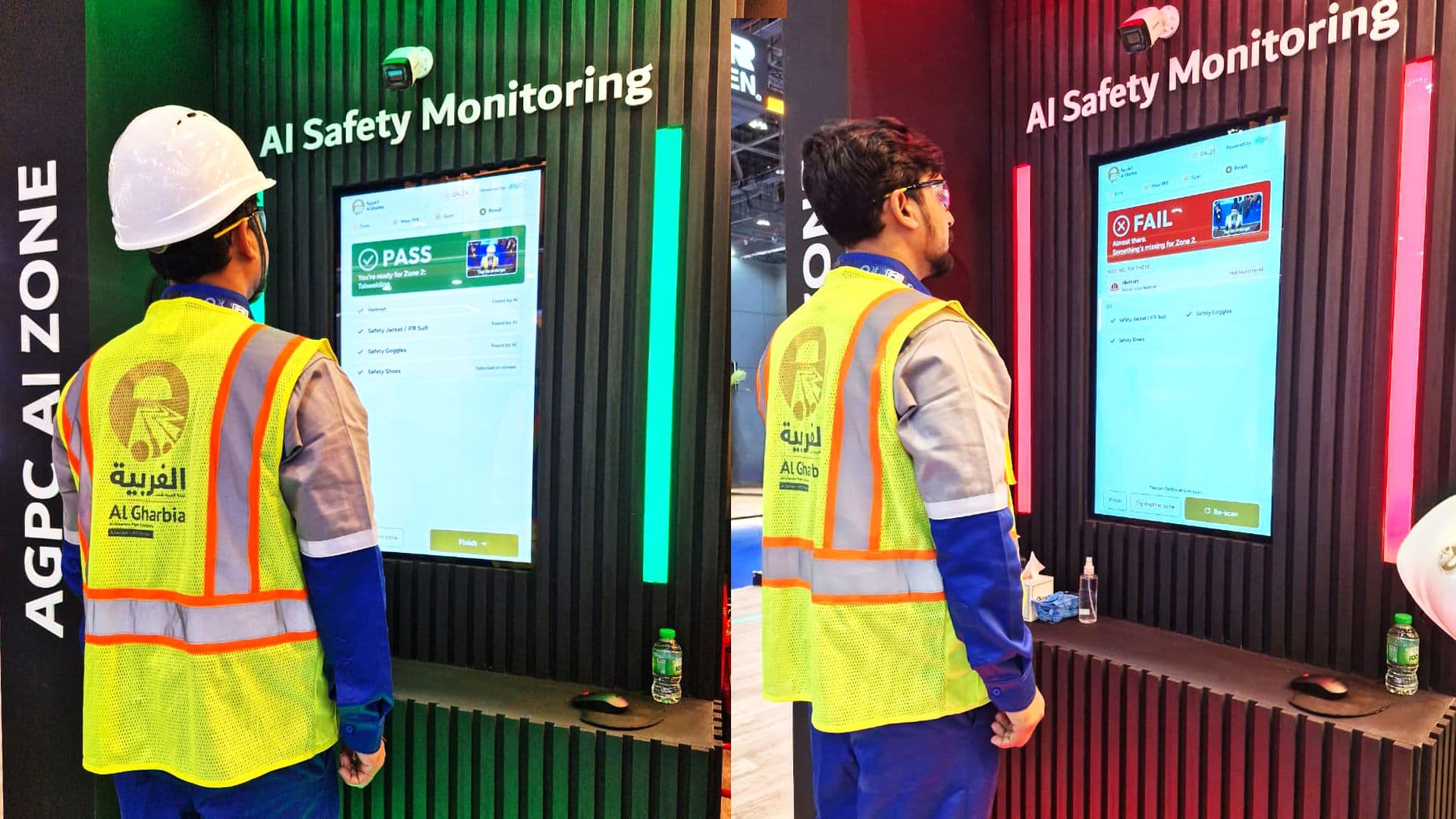
AGPC's AI safety-monitoring demonstration checks whether protective equipment is being worn. Image supplied by Al Gharbia Pipe Company.
Routes for energy infrastructure
AGPC's logistics options cover both sides of the UAE coastline. The company has access to Khalifa Port and Jebel Ali Port on the Arabian Gulf, as well as the Port of Fujairah on the Gulf of Oman. It says these options provide flexibility for importing steel plates and exporting finished pipes when regional routes face disruption.
"Resilient supply chains are essential for regional and global economies to mitigate disruption of passage along key trade routes," said Noritsugu Mifune, CEO of Al Gharbia Pipe Company.
The wider infrastructure context includes ADNOC's West-East Pipeline. A May update from Abu Dhabi Media Office said the project was under construction, expected to become operational in 2027 and intended to double ADNOC's export capacity through Fujairah. AGPC did not name its pipeline project, so the release does not establish that its supply was for this development.
AGPC also says it can manufacture pipes for hydrogen transport that meet ASME B31.12 requirements. The code covers materials, fabrication, inspection and testing for hydrogen piping and pipelines. That introduces fuel-specific requirements alongside the specifications manufacturers already work to for conventional energy projects.
AGPC says the pipes are designed to resist fracturing associated with hydrogen embrittlement, a material risk the company identifies for hydrogen service. It presents this capability as part of its work to support energy-transition infrastructure.
For the region's energy industry, the practical opportunity is to make pipeline supply less vulnerable to problems in production or transport. AI-assisted inspection and alternative logistics routes can contribute to that goal when they translate into consistent quality and dependable project deliveries.