AI
Mitsubishi Heavy Industries and Sakura Internet sign MoU on sovereign AI infrastructure in Japan

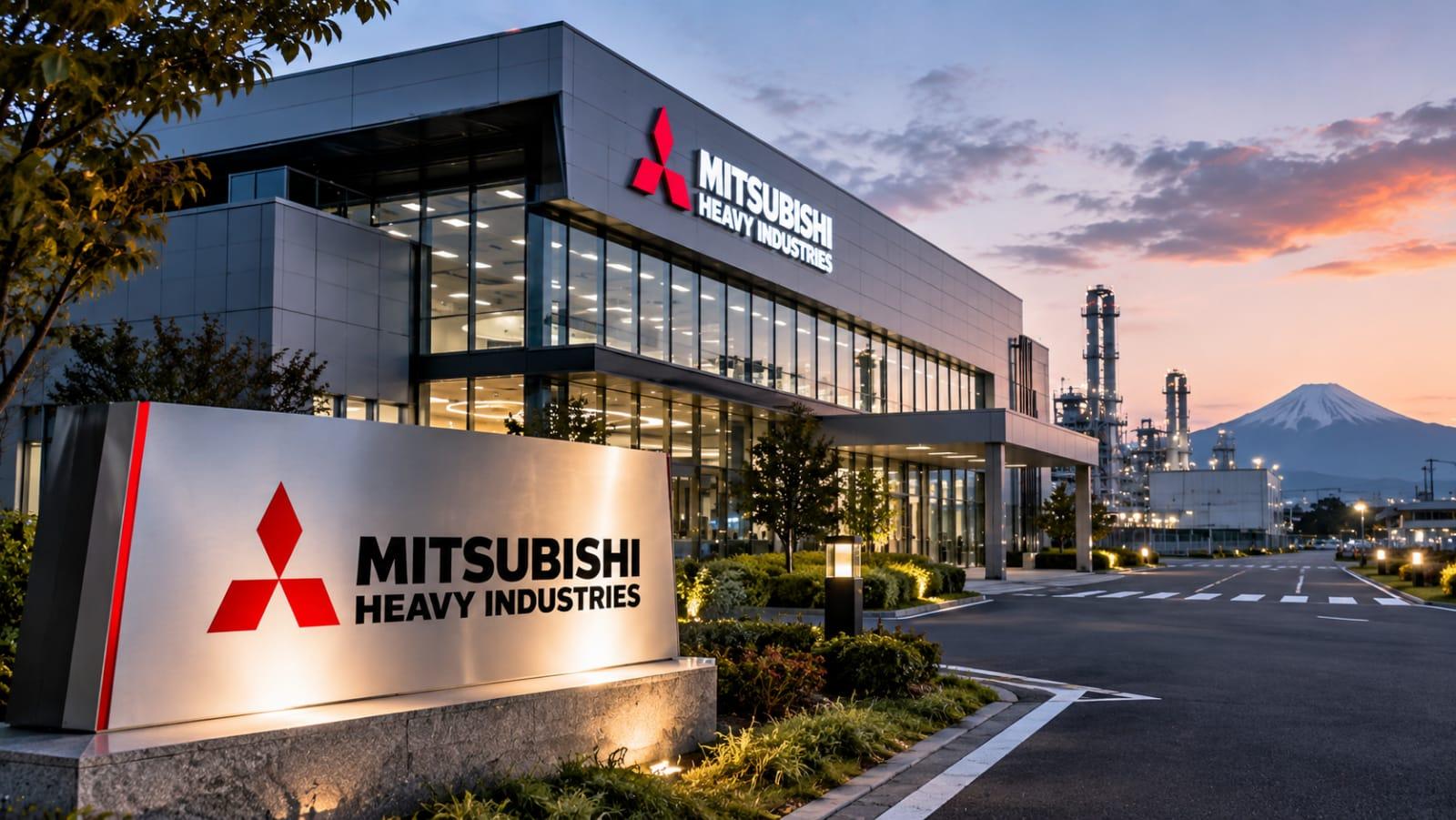
Mitsubishi Heavy Industries and Sakura Internet will explore domestic sovereign AI infrastructure and modular data centers, combining engineering and cloud expertise to support Japan's growing computing needs.
[For more news, click here]
Running AI systems within national borders is becoming a priority for countries seeking greater control over their data and digital services. However, developing domestic infrastructure requires more than computing hardware. Data centers need reliable electricity, advanced cooling and systems capable of maintaining operations during disruptions, making infrastructure design an important part of national AI strategies.
Japan's Mitsubishi Heavy Industries (MHI) and Sakura Internet have signed a memorandum of understanding to explore a strategic alliance focused on sovereign AI and cloud infrastructure. Announced on November 18, the collaboration aims to strengthen domestic computing capabilities while developing modular AI data centers that can be built and deployed more efficiently.
The agreement brings together MHI's expertise in industrial infrastructure, power systems and cooling technologies with Sakura Internet's experience operating cloud services and data centers in Japan. The companies are exploring possible areas of cooperation rather than announcing a finalized construction project.
Modular data centers could accelerate AI infrastructure development
A central focus of the partnership is developing modular AI data centers, which use standardized infrastructure components to simplify construction and support faster deployment. Such facilities could help address the challenges of building AI infrastructure capable of handling demanding computing workloads while maintaining reliable power and cooling.
According to the companies' joint announcement, the collaboration will examine reference architectures and modular construction methods for mechanical and electrical equipment. The goal is to establish more efficient approaches to deploying facilities that support sovereign AI and cloud computing.
MHI brings experience in designing and operating industrial systems across sectors including energy, aviation and defense. Its data center business combines power management, cooling, control systems and security technologies, allowing the company to address some of the physical infrastructure challenges associated with large-scale AI computing.
Earlier in February 2026, MHI introduced DIAVAULT, a secure edge data center platform designed for on-premises computing applications. The company also established a demonstration AI data center at its Yokohama facilities to test potential applications. These developments provide context for its growing involvement in AI infrastructure, although the companies have not confirmed whether DIAVAULT will be used in the Sakura partnership.
Japan strengthens domestic cloud and AI capabilities
The collaboration comes as Japan seeks to reduce dependence on overseas-operated cloud infrastructure for sensitive AI applications. The companies highlighted concerns about service disruptions, infrastructure resilience and the need to maintain greater control over data processing and digital services.
Sakura Internet is already involved in Japan's domestic cloud ecosystem. The company was selected by the country's Digital Agency as a Government Cloud service provider for fiscal year 2026, becoming the first domestic cloud provider to receive that selection.
It operates data centers in Tokyo, Osaka and Hokkaido, including its Ishikari facility, which has supported the company's expansion into high-performance computing and GPU infrastructure. The company has also participated in plans to develop a broader data center cluster in Ishikari, alongside other infrastructure partners.
Under the proposed alliance, MHI and Sakura aim to combine domestically operated cloud services with secure, high-performance infrastructure. However, local hosting alone does not eliminate reliance on international hardware suppliers or guarantee compliance with every security requirement.
Next steps for the proposed partnership
Beyond Japan, the companies intend to explore opportunities to bring jointly developed infrastructure solutions to other markets, including Asia and Oceania. This could extend their cooperation beyond domestic cloud services into the international market for AI infrastructure.
However, neither company has disclosed investment commitments, planned computing capacity, construction locations or deployment timelines. The memorandum also does not confirm that new data centers will be built.
The partnership reflects growing interest in combining domestic cloud operations with industrial engineering to support AI infrastructure. Its longer-term significance will depend on whether Mitsubishi Heavy Industries and Sakura Internet translate their proposed collaboration into operational facilities that meet Japan's computing, security and resilience requirements.