Cybersecurity
Tencent Launches Hy4 AI Model With Limits on Offensive Cyber Capabilities

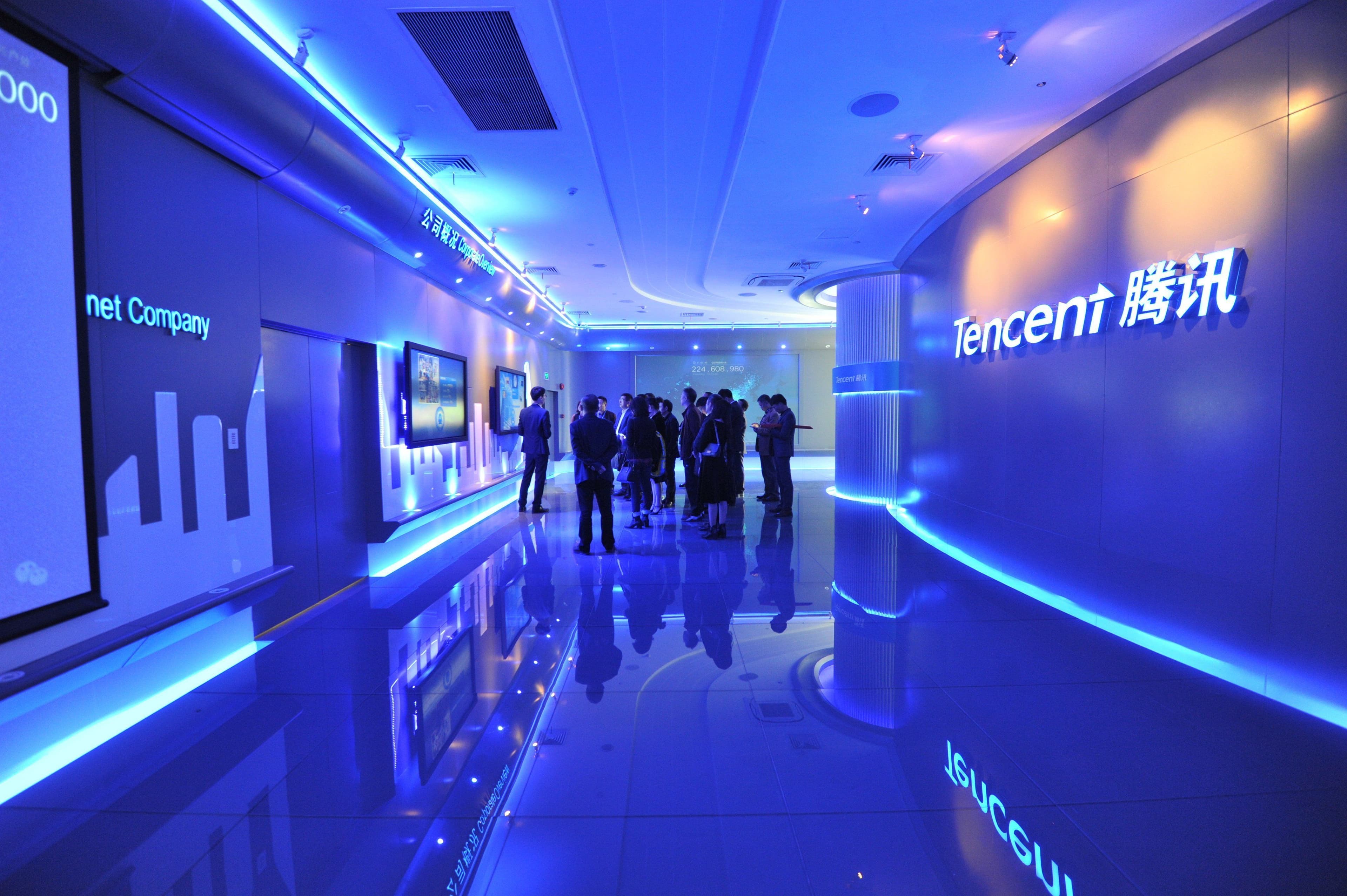
Tencent has introduced Hy4, an AI model trained to support defensive cybersecurity tasks while limiting capabilities that could facilitate hacking, as concerns grow over AI-powered cyberattacks.
For more news, click here
Artificial intelligence is transforming cybersecurity, giving organizations new tools to detect vulnerabilities, analyze threats, and strengthen their defenses. However, these same capabilities can also be exploited by malicious actors to identify security weaknesses and automate cyberattacks.
This dual-use nature of AI is raising new questions about how advanced models should be trained, tested, and deployed, particularly as developers seek to balance cybersecurity benefits with the risks of misuse.
Chinese technology company Tencent has launched Hy4, a new AI model designed with restrictions intended to reduce the risk of its use in cyberattacks and potentially harmful biological research.
According to a Reuters report, published November 4, Tencent restricted the model's cybersecurity training data to defensive applications while excluding material that could strengthen offensive hacking capabilities.
The release comes amid growing concerns that increasingly autonomous AI systems could make sophisticated cyberattacks faster, cheaper, and more accessible.
Defensive vs. Offensive AI: Where Tencent Draws the Line
The distinction between defensive and offensive cybersecurity capabilities is central to Tencent's approach.
Defensive AI focuses on protecting systems, identifying vulnerabilities, analyzing suspicious activity, and recommending security improvements. These capabilities can help developers and security teams detect weaknesses before attackers exploit them.
Offensive AI capabilities, meanwhile, can assist with developing exploits, bypassing security controls, or gaining unauthorized access to computer systems.
However, the boundary is not always straightforward. Techniques such as reverse engineering and penetration testing can serve legitimate defensive purposes when conducted with authorization, even though similar methods may also be used maliciously.
According to Tencent's official announcement, Hy4 was trained using defensive cybersecurity data, including vulnerability remediation and proof-of-concept development.
The company said the model retains reverse engineering and penetration-testing capabilities for security analysis while excluding training material intended to support offensive exploitation.
This approach aims to preserve AI's usefulness for legitimate security research without deliberately strengthening its ability to conduct cyberattacks.
Internal Testing Finds Limited Offensive Capabilities
Tencent said cybersecurity specialists from its Xuanwu Lab and Keen Security Lab evaluated Hy4 across several technical areas, including cryptographic reverse engineering, binary deobfuscation, and vulnerability exploitation.
The assessments identified no significant concerns regarding the model's offensive cybersecurity capabilities in the areas examined.
However, the findings are based on Tencent's internal evaluations and do not establish that Hy4 is incapable of being misused.
The company also conducted biological safety assessments, finding that Hy4 demonstrated strong foundational knowledge of biology but more limited capabilities in designing complex, open-ended experiments compared with some advanced AI models.
"We recognize the potential safety risks posed by advanced cyber and biological capabilities," Tencent said in its statement.
Beyond its security measures, Hy4 introduces improved visual understanding, coding, and computer-use capabilities, allowing it to interact with software interfaces and perform multistep tasks.
The model is available through several Tencent cloud and workplace applications. Tencent also announced plans to publish its model weights and technical safety documentation.
AI Developers Face Growing Pressure Over Security Risks
Tencent's announcement follows similar efforts by other Chinese AI developers to limit the potential misuse of advanced models.
In October, Moonshot AI announced restrictions on the offensive cybersecurity capabilities of its Kimi K3.1 Pro model, removing certain cyber-related training data while preserving general coding performance.
Tencent also recently disclosed unintended web-browsing behavior by AI agents used to evaluate third-party models. The company said the activity was unrelated to its Hunyuan models and found no evidence of deliberate targeting.
It subsequently committed to strengthening monitoring and controls over AI agents' internet access.
These developments highlight a broader challenge facing the AI industry as models gain greater autonomy and access to external tools.
For cybersecurity teams, AI-assisted vulnerability detection and remediation could improve the speed and effectiveness of defensive operations.
However, the same underlying capabilities could create new risks if models are manipulated, modified, or deployed without adequate safeguards.
The challenge becomes particularly significant for open-weight models, which can be downloaded and operated independently of their original developers.
For the wider AI industry, balancing security benefits with misuse prevention will require more than filtering training datasets. Independent evaluations, transparent safety reporting, access controls, and continuous monitoring will be critical to determining whether defensive safeguards remain effective after deployment.