AI
Broadcom’s $63 Billion Anthropic Deal Brings Wall Street Deeper Into AI Infrastructure

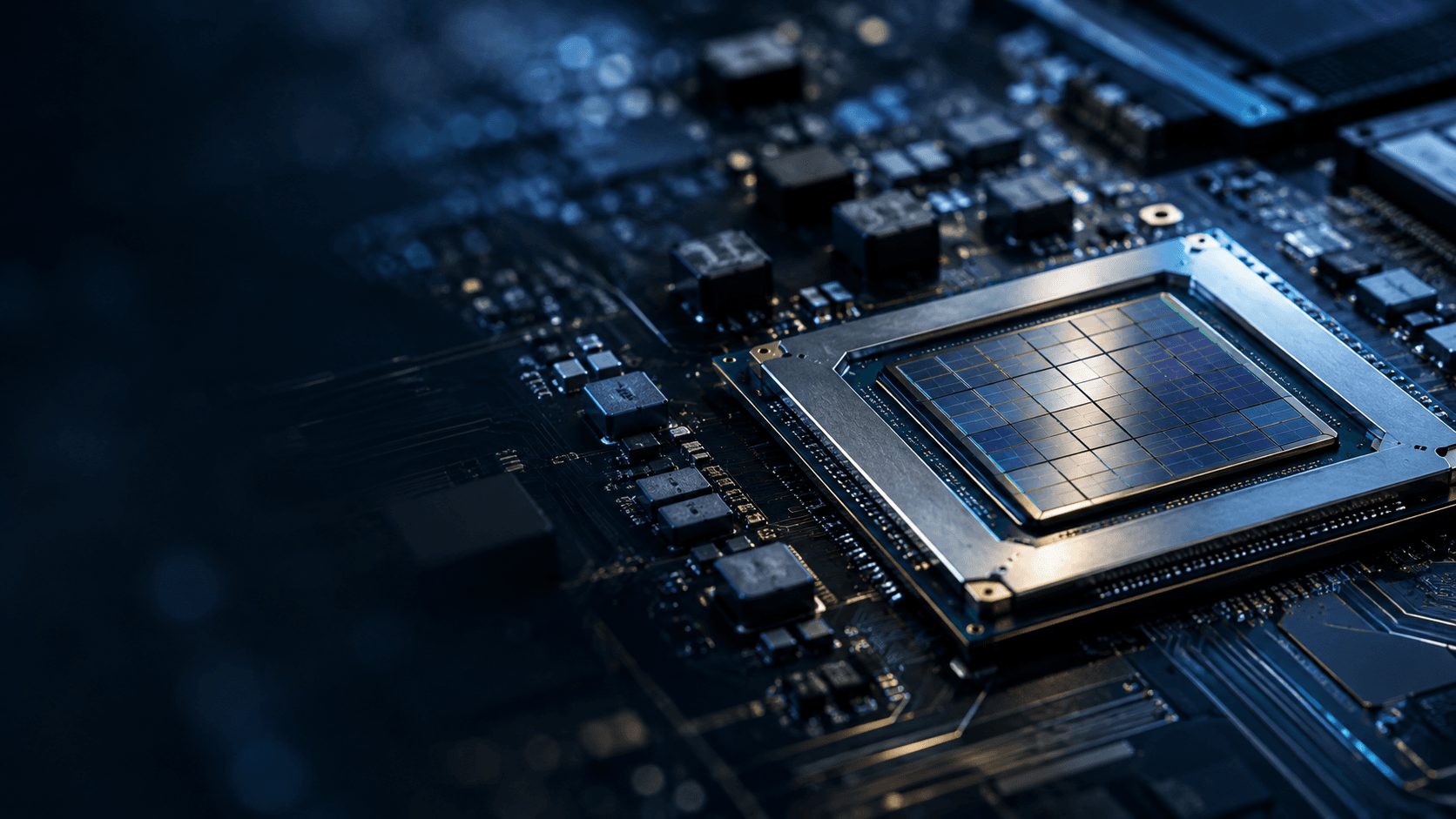
The financing will fund AI accelerators and networking equipment for Anthropic, highlighting the growing role of financial institutions in supporting the infrastructure behind the AI industry’s expansion.
[For more news, click here]
Building and operating advanced AI systems requires substantial computing infrastructure, bringing technology companies and financial institutions into closer partnerships. On October 26, Broadcom, Bank of America, Blackstone, Citi and Morgan Stanley announced a $63 billion financing arrangement to support computing capacity for Anthropic, the company behind Claude. The transaction will finance the purchase of Broadcom’s custom XPU AI accelerators and networking equipment, which will be leased to Anthropic, with deliveries expected to begin in 2027 under an existing computing-capacity agreement.
A newly formed special-purpose vehicle will acquire the equipment and lease it to Anthropic, rather than provide a direct equity investment in the AI developer. The structure gives Anthropic access to additional computing capacity while the participating financial institutions fund the equipment acquisition. Broadcom will also provide residual-value support equivalent to the senior financing amount, linking its role as a hardware supplier to the financial structure behind the deployment.
How the financing works
Bank of America, Citi and Morgan Stanley are arranging the senior, first-lien portion of the financing, while Blackstone is the sole provider of the committed second-lien portion. Approximately $43.5 billion, or 69% of the total, is allocated to the senior tranche. Senior debt generally takes priority over junior debt in a recovery, giving lenders different positions if the transaction encounters financial difficulties.
Broadcom’s residual-value support is intended to protect the senior financing against a shortfall in the equipment’s value. This provision offers lenders an additional layer of protection, although it does not eliminate the risks associated with hardware depreciation or Anthropic’s ability to meet its lease obligations.
Financing the next phase of AI growth
For Anthropic, access to computing resources is central to developing and operating its AI systems. Training and running advanced models requires specialized processors, high-speed networking and data center capacity, alongside the electricity and cooling needed to keep the infrastructure running. The lease provides a route to additional capacity without requiring Anthropic to purchase the equipment outright.
Custom silicon is an important part of this market. Broadcom’s XPU accelerators and networking solutions are designed for AI workloads, placing the company in a significant position in the infrastructure supply chain. The agreement connects its hardware business with the financial institutions helping fund the deployment of that technology.
Institutional interest extends beyond this transaction. In August, Nvidia announced an initiative with major financial institutions intended to mobilize more than $500 billion in capital for AI infrastructure and related investment over time. The figure represents a capital-mobilization target rather than completed investment, illustrating the scale of funding financial institutions are seeking to direct toward the sector.
The expansion comes with commercial risks. AI hardware can lose value as newer generations of processors become available, while the profitability of infrastructure depends on utilization, customer demand and the revenue generated by the services it supports. Financing can make large deployments possible, but it cannot guarantee that demand will be sufficient to justify the investment.
What the deal means for the AI industry
The arrangement gives each participant a defined role: Anthropic gains access to computing capacity, Broadcom supplies the equipment and provides residual-value support, and the financial institutions fund the acquisition. It illustrates how capital markets are becoming more involved in the physical infrastructure supporting AI development.
For business leaders and investors, the important consideration is how effectively that infrastructure translates into commercial growth. Additional computing capacity can support the development and delivery of AI services, but companies must still demonstrate that customer demand and revenue can sustain their operations and financial commitments. As investment in AI infrastructure expands, the relationship between technological progress and commercial returns will remain central to the industry's long-term prospects.
Related Articles
Exclusive: Matt Swalley on Why Storage Architecture Is the Next Major Bottleneck for AI Factories
Microsoft’s Maia 300 Chip Targets the Cost of Running AI
Banks Are Starting to Finance AI Infrastructure Like They Once Financed Airports