Big Tech
Meta’s €805 Million Fine Puts Facebook Photo Access Under Scrutiny

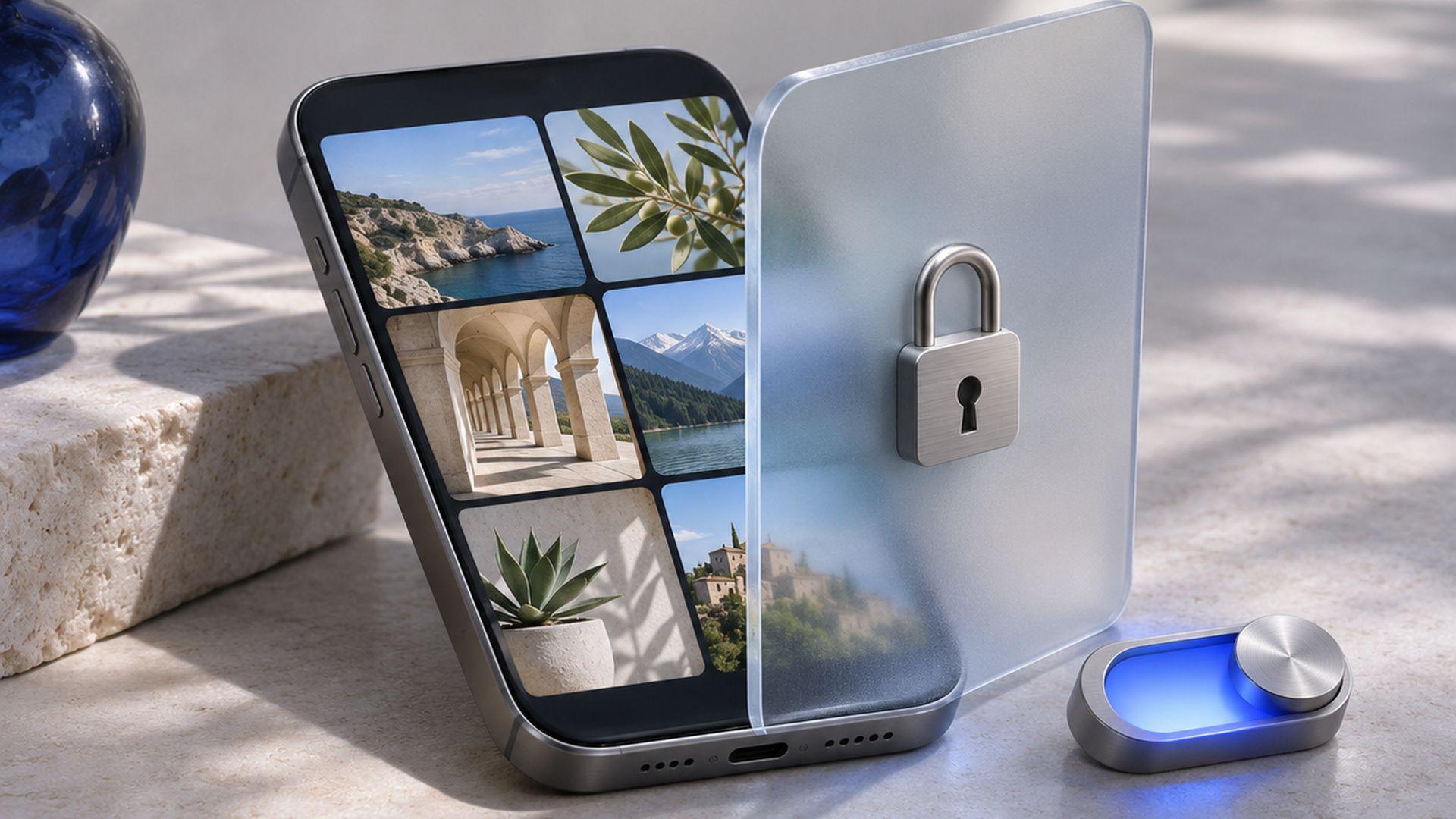
Meta plans to appeal the Italian decision. Users can review gallery suggestions and limit what Facebook and other apps can see.
[For more news, click here]
Sharing one photograph and giving an app access to a photo library are different choices. Understanding that difference helps users decide how much of their phone an application should be able to see.
Italy’s privacy regulator, the Garante, has fined Meta Platforms Ireland Limited €805 million over Facebook’s access to photos, videos and related metadata on Android phones. It says approximately 20 million Italian users were involved and that consent was insufficiently specific.
What Facebook’s permission covered
The case concerns a feature, available since 2023, that suggests gallery photos and videos to post while browsing Facebook. According to the regulator, a single permission served multiple purposes. A generic notice failed to explain the suggestions clearly, and the feature was enabled by default.
Full permission could allow continuing access to the entire archive. The authority cited the infringement’s scale and duration, a previous decision and limited cooperation. Later changes were considered late and dependent on app updates.
Within 60 days, Meta must seek separate, informed consent and keep the feature off by default, including for previously authorized users. The case did not examine AI training, which Meta denies. A newer cloud-processing feature may be assessed separately.
The broader issue is whether people understand each use they are accepting. European consent guidance calls for separate choices when information is processed for different purposes. A permission screen therefore needs to do more than offer a general yes or no.
Meta disputes the decision
Meta says it will appeal and considers the fine disproportionate. In a statement reported by Reuters, a spokesperson said:
“This is a simple feature that helps people share photos and videos on Facebook.”
The company says the feature requires device permission, which users can change at any time. That response makes the disagreement clear: Meta points to the permission users grant, while the regulator questions whether it adequately explains this particular use.
Meta separately describes its newer camera-roll suggestions as optional and private until users choose to share them. It says camera-roll media is not used for ad targeting. These product assurances should be distinguished from the findings about the earlier feature.
Check Facebook’s suggestions and your phone’s permissions
Start inside Facebook’s app settings and look for Camera roll sharing suggestions or similarly named camera-roll controls. Turn off the sharing suggestions you do not want. Review any separate cloud-processing option rather than assuming every switch controls the same activity. Labels and availability can vary.
To restrict access to the files themselves, also check the phone’s settings. Switching off a recommendation feature and withdrawing photo access are separate actions.
On Android, follow Settings > Apps > Facebook > Permissions > Photos and videos. Choose Don’t allow to withdraw that permission. Google’s instructions explain how to change access for individual apps; wording can differ by phone.
Where available, access to selected photos and videos offers a middle ground. It lets an app see chosen items rather than the whole library. Apps using Android’s Photo Picker can receive individual files selected for sharing. The available options depend on the app and Android version.
Review other apps too
On Android, Settings > Security & privacy > Privacy > Permission manager lets users review apps by permission type. Check photo access, contacts, location, camera and microphone. Remove access that an app does not need. For supported permissions, Allow only while using the app or Ask every time may suit occasional use.
iPhone users can review access through Settings > Privacy & Security > Photos, then select the app. Apple’s controls allow access to be changed later. Limited photo access can restrict an app to selected items. The Italian case concerns Android; these are general iPhone privacy controls.
Apply the same review to messaging, shopping and editing apps. Restricting access may affect features that genuinely need it, so choose permissions around what you want the app to do. Do not treat a permission change as a request to delete information already shared.