Big Tech
SpaceX Plans $74 Billion AI Data Center Push as Compute Moves Closer to Power

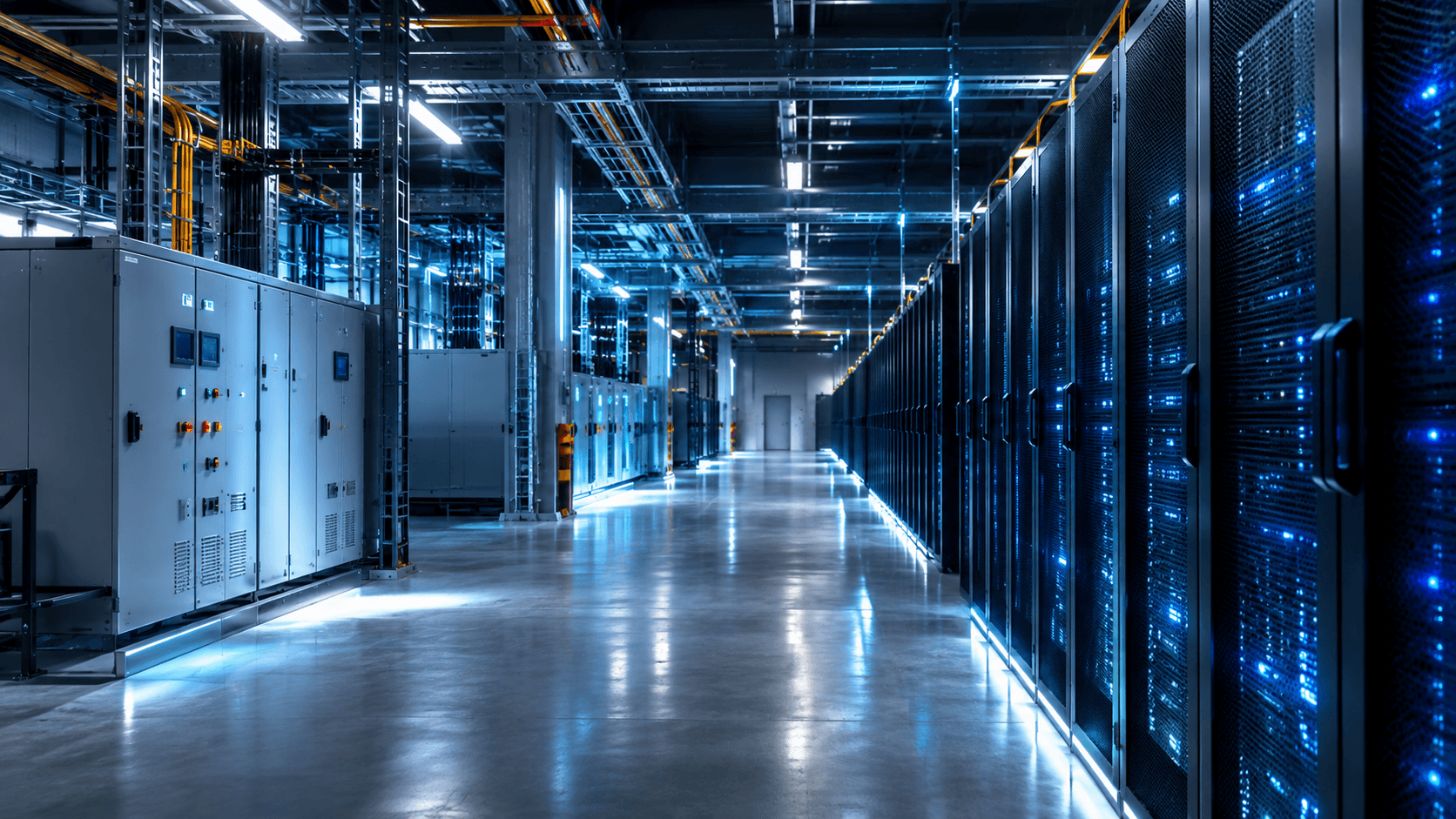
SpaceX plans to invest more than $74 billion in two major AI supercomputing campuses in Texas and Arizona. The Texas site would generate its own electricity through a gas-fired power plant, while the Arizona project could eventually draw as much as 6GW.
[For more news, click here]
As organizations race to adopt AI, chips, data centers, power availability, and grid access are quickly becoming their main focus. SpaceX is making a major commitment to prioritize AI infrastructure by investing more than $74 billion across two new supercomputing campuses in Texas and Arizona.
The largest project would be a roughly $50 billion campus in Cochise County, Arizona, while more than $24 billion is planned for a site near SpaceX’s Starbase operations in South Texas. (Bloomberg Law)
Power Generation Inside the AI Stack
According to a public-hearing notice first reported by Bloomberg, the Starbase project would include a supercomputing facility and a gas-fired power plant. SpaceX plans to build, own, and operate both facilities on approximately 444 acres near Brownsville. The initial phases are expected to require about $24 billion in capital investment.
The project would generate its own electricity rather than rely entirely on the Texas power grid. This matters because grid connections have become one of the top constraints for AI infrastructure.
Large data centers can require hundreds of megawatts and gigawatts of power. Connecting facilities of this scale to existing grids can mean lengthy queues, transmission upgrades, and uncertain timelines. So owning these facilities gives SpaceX the access without waiting for enough grid capacity to be available.
Arizona Could Be Even Larger
The proposed Arizona campus is larger of the two projects. Official Cochise County records show a special-use application for a supercomputer and AI data center campus across approximately 747 acres, including battery energy storage, electrical infrastructure, cooling and supporting facilities. The proposal includes up to nine computing buildings, built in four phases. At full build-out, the project could require around 6 gigawatts of electricity, according to information submitted with the application. (Cochise County)
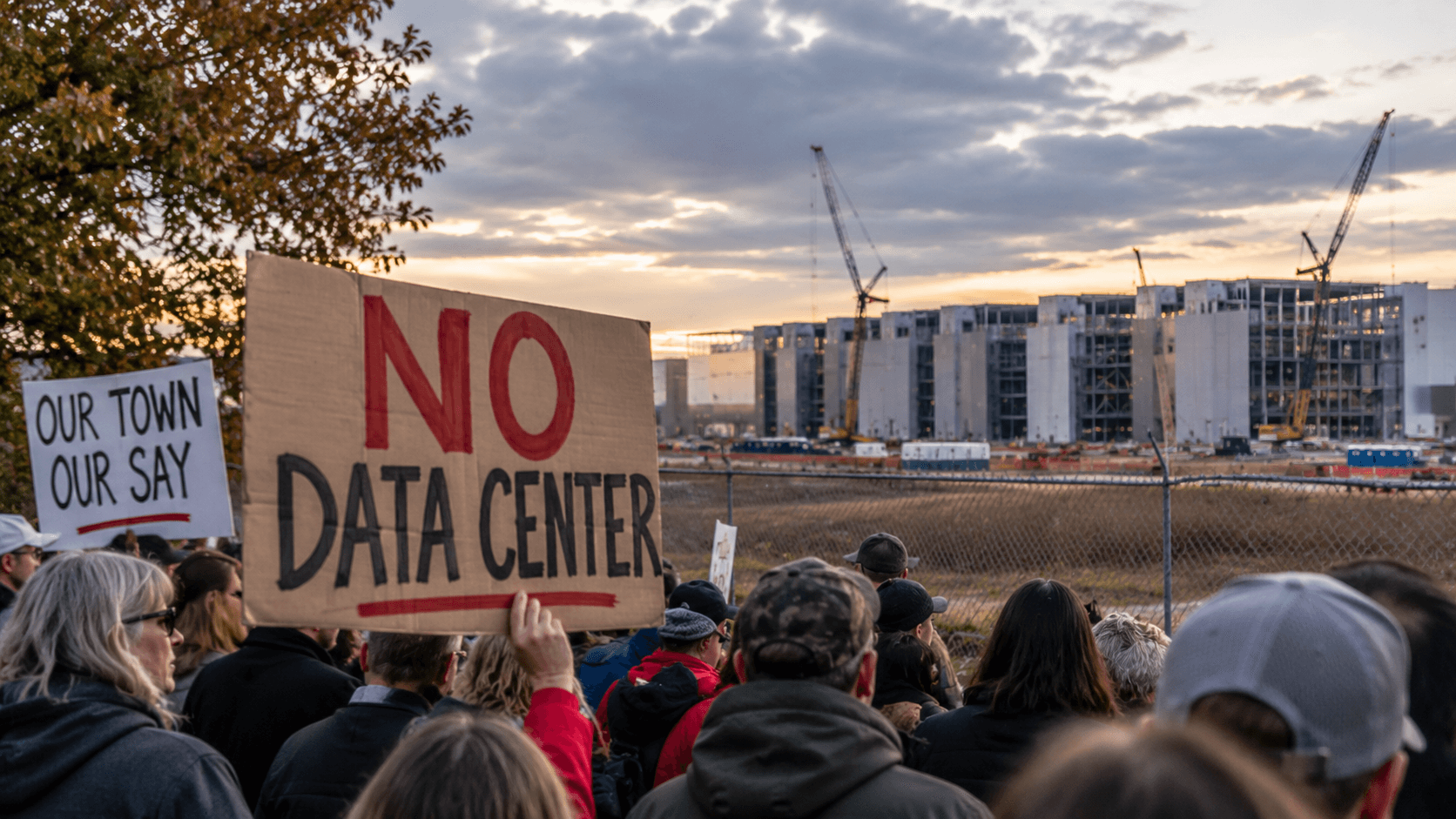
That is a remarkable amount of power. For comparison, 6GW is on the scale of several large conventional power stations operating simultaneously. SpaceX says it is working with local electrical cooperatives and plans to use dry cooling, with no intended industrial groundwater consumption. However this project is not approved and is subject to public hearing on December 9, 2026 as local residents have raised concerns about electricity demand, environmental impact and development at that scale.
Ultimately, the next generation of investment is being made into building the AI infrastructure to reduce bottlenecks and grid constraints.
Related Articles
NVIDIA’s DSX POD Could Cut AI Factory Deployment From Six Months to 14 Days
Data Center World Makes Middle East Debut as Gulf AI Infrastructure Build-Out Accelerates
Dropbox Buys Tigris Data for $350 Million as AI Infrastructure Moves Into the Storage Layer