MENA News
UAE and Siemens Energy Explore Critical Infrastructure Cyber Defenses

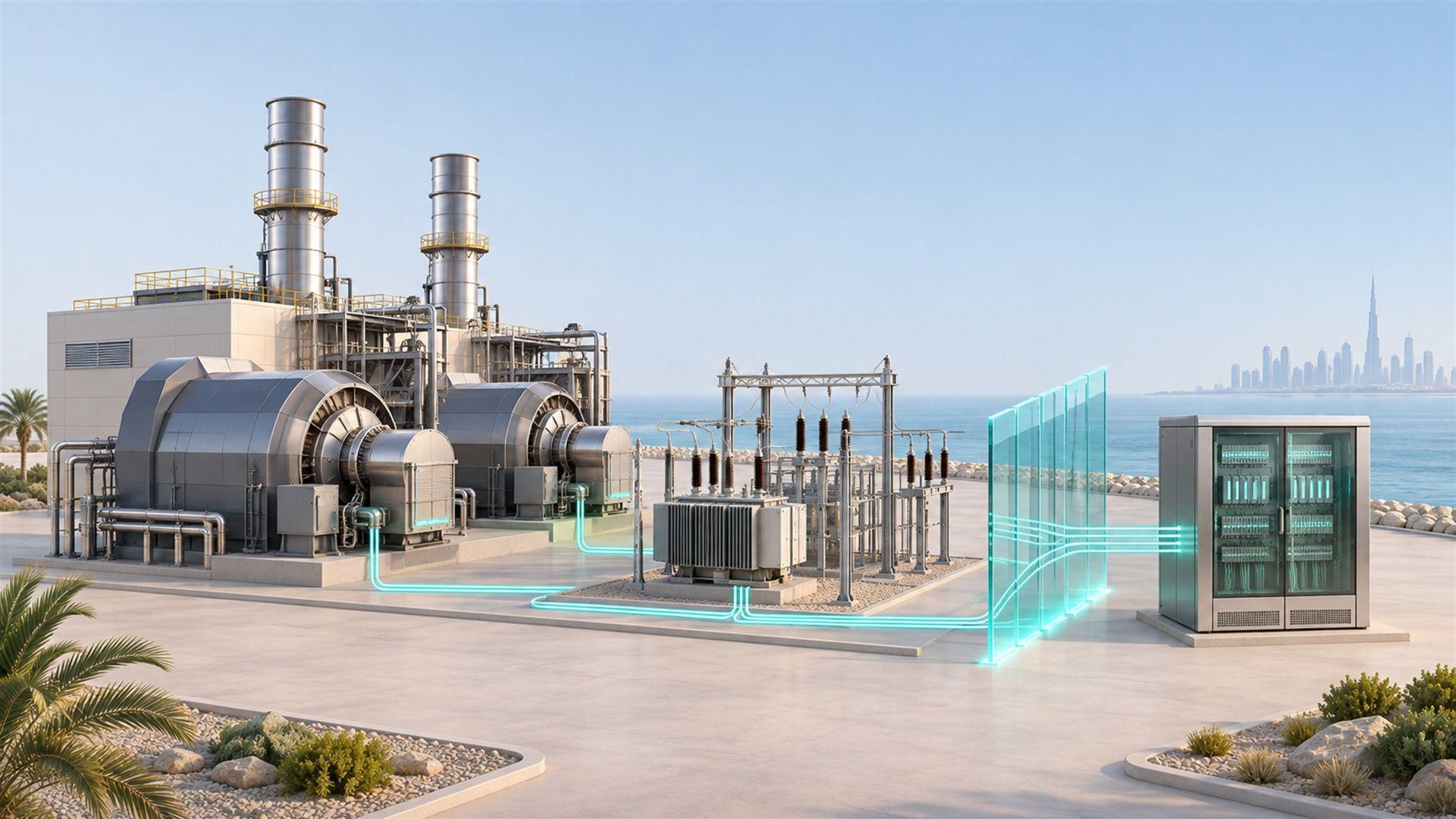
The proposed cooperation includes industrial security testing, Emirati skills development and a possible National OT Cyber Lab.
[For more news, click here]
Power plants and industrial facilities increasingly rely on connected equipment to monitor performance and improve operations. Those connections also create security risks. The UK's National Cyber Security Centre warns that remote access and aging equipment can expose essential services to disruption and physical harm. We have seen a number of recent examples where out-dated equipment and inadequate maintenance caused national outages in the US.
The UAE Cyber Security Council and Siemens Energy signed a memorandum of understanding on November 17. They will explore stronger operational technology (OT) security across the country's critical infrastructure. The agreement would combine national cybersecurity requirements with the company's industrial expertise. WAM reported the announcement.
Testing defenses and building skills
OT includes the systems that monitor and control physical equipment. In energy and utilities, that can mean equipment governing electricity generation or water treatment. Protecting these environments requires attention to safety and continuous operation, alongside information security. The US National Institute of Standards and Technology identifies reliability, performance and safety as distinct requirements for OT security.
Third-party maintenance adds another challenge. Remote access allows suppliers to support equipment, but it also expands the potential routes into an industrial network. Those connections need to be considered alongside the equipment itself. NCSC
One area of cooperation is a possible National OT Cyber Lab. It could evaluate security solutions and host simulations and tabletop exercises, where teams rehearse their response to an incident. The partners also intend to work with infrastructure owners on security priorities. Skills initiatives would involve UAE universities.
Dr. Mohamed Al Kuwaiti, head of cybersecurity for the UAE Government, said:
“Critical infrastructure underpins the services that the UAE’s economy and society rely on, and securing the operational technology behind it is a national priority.” WAM
The operational constraints explain the emphasis on testing. For example, isolating a compromised system can help contain an attack. Operators also need to understand what disconnecting it would do to the physical process. The NCSC recommends testing isolation plans to ensure they do not disrupt services. Exercises can help security teams and operational staff work through those decisions together.
Siemens Energy already offers cybersecurity services for energy operators, including protection, detection and monitoring. That existing business provides relevant industrial experience for the proposed cooperation.
Security alongside industrial digitalization
The agreement sits within a wider UAE effort to develop domestic cybersecurity capabilities. The Cabinet approved the National Cybersecurity Strategy in February 2025, covering governance, protection, innovation, capability building and partnerships. Its goals include supporting secure technology adoption and strengthening national expertise.
The Council has also pursued industrial security cooperation with Siemens AG. In May 2026, Siemens AG announced an OT innovation center, locally hosted security infrastructure and training. That was a separate agreement from the Siemens Energy MoU announced this week.
A more recent development shows why connectivity and security belong in the same discussion. On November 12, Siemens Energy and Cumulocity announced an industrial technology partnership covering the Middle East and Africa. It aims to connect equipment and operational data for better decision-making.
Their proposed work includes asset monitoring, virtual models known as digital twins, and industrial cybersecurity. The initial focus is on oil and gas operators, process industries and industrial utilities. These are separate agreements, but they illustrate a shared operational challenge: using more industrial data while keeping the underlying equipment dependable.
For the UAE's energy and industrial sectors, the opportunity is to develop security expertise alongside digital operations. The practical value will depend on turning the proposed coordination, testing and training into capabilities that infrastructure owners can use.