AI
UAE Takes AI Education Beyond the Classroom With New National Guide for Parents

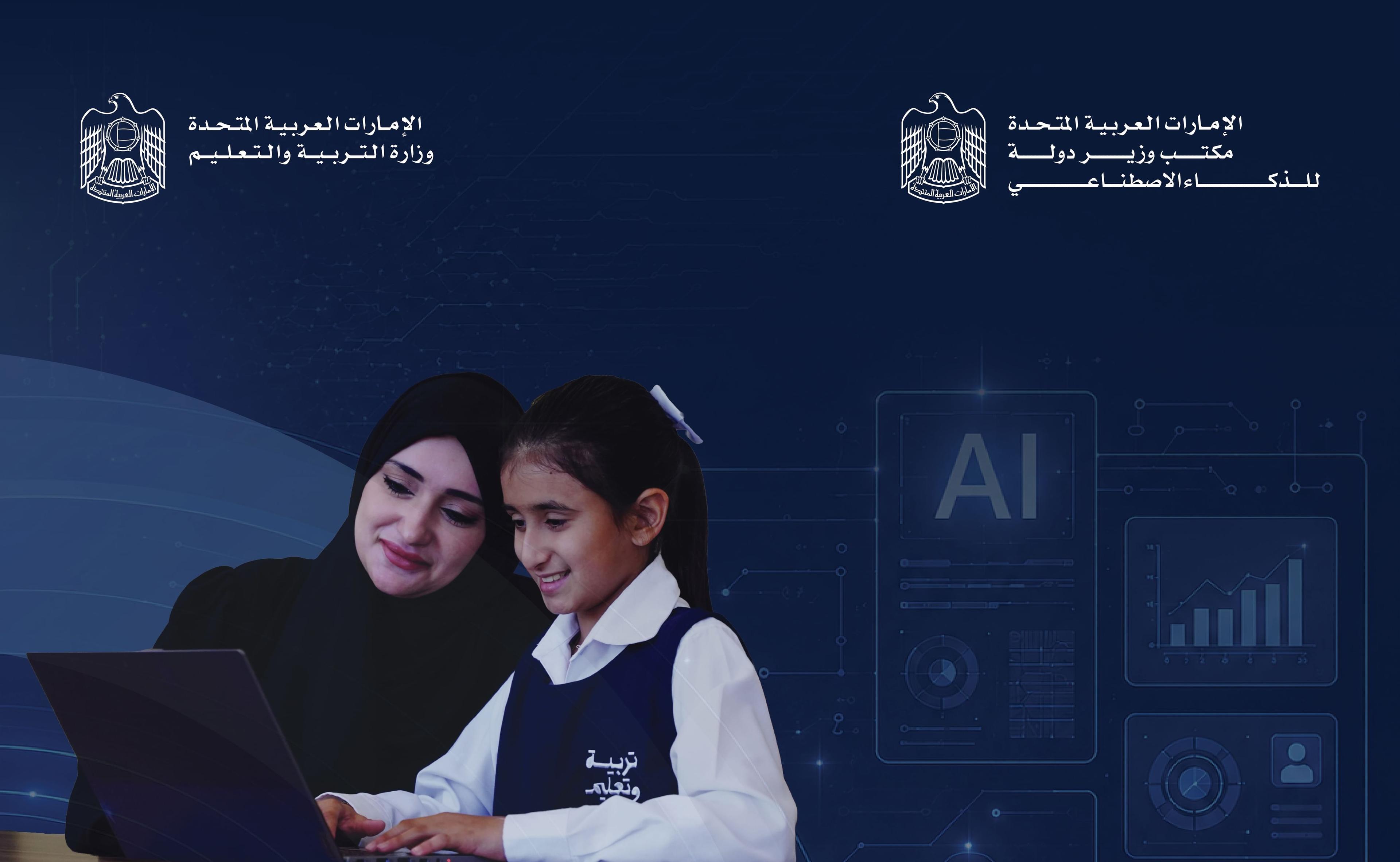
The UAE is bringing families into its AI education strategy as responsible technology use becomes increasingly important to developing its future workforce.
[For more news, click here]
Since the 2025–2026 academic year, artificial intelligence has been an official subject in UAE public schools, from kindergarten to Grade 12. While the curriculum introduces students to the technology from an early age, its effectiveness also depends on how children interact with AI outside the classroom, where teachers have limited oversight.
The UAE Ministry of Education and the Minister of State for Artificial Intelligence Office launched the Parent’s Guide to Artificial Intelligence in Education, a national initiative designed to help families understand AI, support their children’s education and encourage responsible technology use.
The initiative expands the country's approach to AI education by involving parents in a process that has largely focused on schools, teachers and educational institutions.
Building AI Literacy Beyond Schools
The guide introduces parents to machine learning, generative AI, algorithms and data, explaining how these technologies work and influence children's daily experiences. It also examines their implications across four areas of child development, covering intellectual abilities, emotional and social well-being, physical health, and digital ethics.
Families are encouraged to check AI-generated information, protect children's personal data and establish boundaries appropriate to their age and maturity. Practical examples demonstrate how AI can help explain scientific concepts, develop educational games and organise study schedules.
Education Minister Sarah Al Amiri highlighted the importance of cooperation between families and schools in creating an environment where emerging technologies improve educational outcomes while supporting intellectual curiosity.
The initiative complements the UAE's previous efforts to make AI knowledge accessible through programs such as its AI for All initiative, powered by Google, which extends technology education beyond specialist communities.
Balancing AI Adoption With Independent Thinking
One of the most significant challenges facing education systems is distinguishing between improved academic performance and genuine knowledge acquisition. The OECD Digital Education Outlook 2026 found that generative AI can support learning when its use follows clear educational principles.
However, allowing students to delegate tasks to AI without appropriate guidance can improve their immediate performance without necessarily developing their skills. A student who uses AI to understand a mathematical equation may benefit from personalised explanations. Another who uses the same technology to generate answers without understanding the underlying concepts risks becoming increasingly dependent on it.
This distinction makes parental awareness particularly important. While schools can establish rules governing AI-assisted assignments and assessments, families influence how children use these technologies during independent study.
As Tech Revolt previously explored in its coverage of teacher training and AI adoption in classrooms, the effectiveness of educational technology depends heavily on the people guiding its use rather than the capabilities of the tools alone.
Developing the UAE's Future Technology Workforce
The initiative also has implications for the UAE's long-term economic ambitions. As the country invests in AI infrastructure, research and digital services, developing domestic talent capable of building and managing these technologies becomes increasingly important.
Projects such as NEXORA, the AI lab at Manipal Academy of Higher Education in Dubai, demonstrate how higher education institutions are connecting technical skills with practical industry requirements.
Introducing AI literacy earlier in children's development could help establish a stronger foundation for these programs. However, familiarity with AI applications alone will not produce the engineers, researchers and entrepreneurs required to support the country's technology ambitions. Critical thinking, technical understanding and problem-solving remain essential.
What to Watch
The effectiveness of the new guide will depend on how successfully its recommendations translate into everyday behaviour. Parental training opportunities, coordination with schools and accessible educational resources could help address differences in digital literacy between households.
For education policymakers and technology providers across the Gulf, the initiative also highlights the need to develop educational AI products that prioritise learning outcomes, age-appropriate experiences and data protection.
The UAE has already established AI as part of formal education. Its next challenge is ensuring that widespread access to these technologies produces a generation capable of thinking independently, making informed decisions and eventually contributing to the development of AI itself.
Related Articles
Abu Dhabi Hackathons Test Developer Judgment as AI Coding Agents Go Mainstream
Exclusive: Landmark ruling reshapes liability for global social media giants
Exclusive: The Gulf's AI ambition now faces a governance challenge