AI
Uber bets on partnerships to lead robotaxi market without building self-driving technology

Uber’s growing robotaxi network could give it an advantage over self-driving rivals, but its success depends on keeping technology partners and passengers on its platform.
[For more news, click here]
Uber expects more than 2,000 fully driverless vehicles to operate through its platform by the end of 2027, compared with approximately 700 targeted for the end of 2026. The expansion highlights a different approach to the autonomous vehicle market: rather than developing its own self-driving system, Uber is relying on technology partners while concentrating on attracting passengers and managing commercial operations.
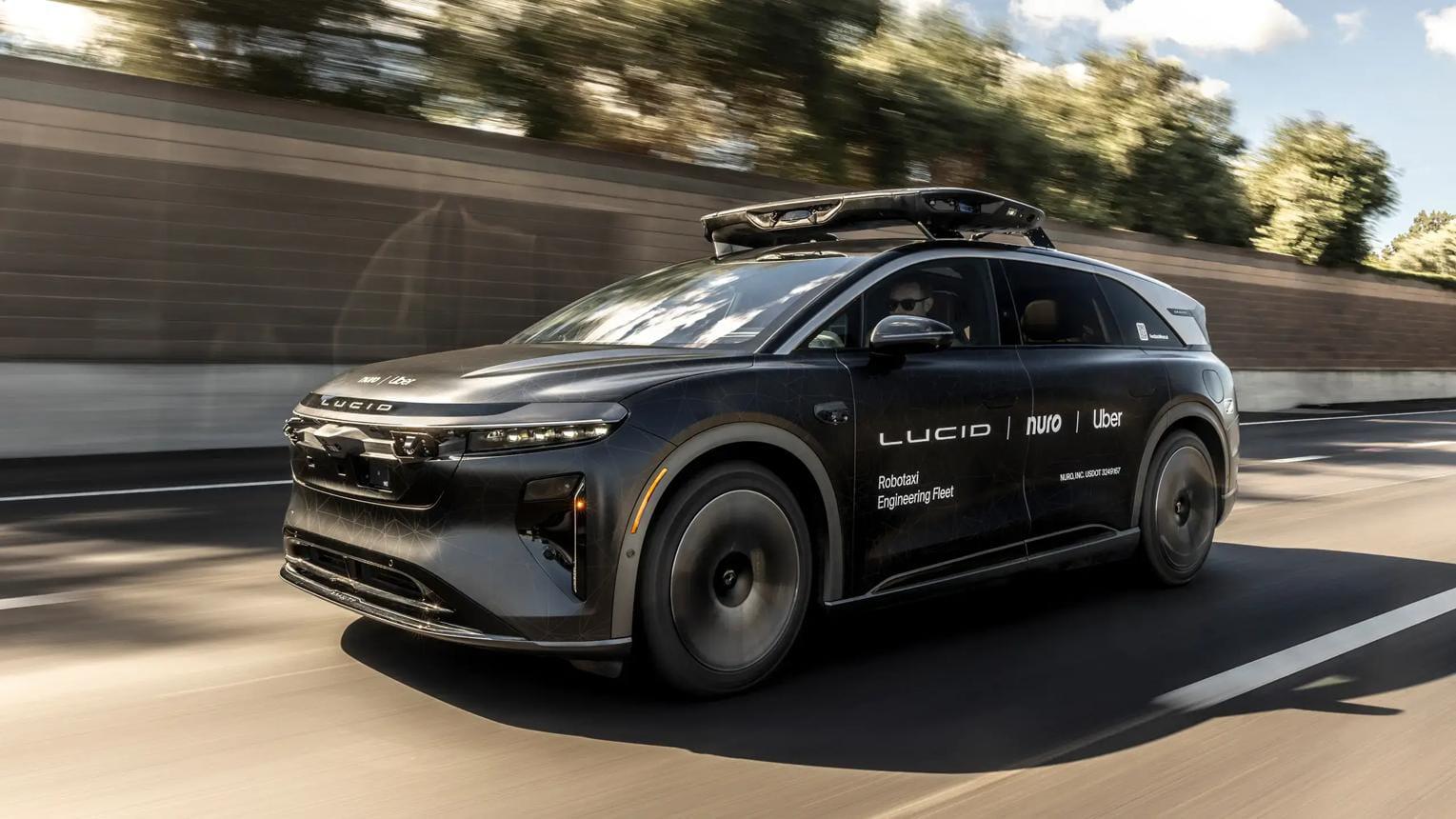
The strategy reached another milestone when Uber and Nuro began testing driverless Lucid Gravity SUVs on public roads in California’s San Francisco Bay Area. The companies plan to begin employee rides before a commercial launch in the first quarter of 2027, testing whether Uber’s existing ride-hailing network can help bring autonomous vehicles into everyday transportation.
Uber wants to own the customer relationship
Uber’s robotaxi strategy separates three parts of the business: vehicle manufacturing, autonomous driving technology and passenger services.
Under its partnership with Lucid and Nuro, Lucid supplies the electric vehicles, Nuro develops the self-driving system, and Uber manages the ride-hailing platform and fleet operations. The companies have expanded their agreement to include at least 35,000 Lucid vehicles, although that represents a long-term commitment rather than cars already operating commercially.
The model allows Uber to work with different autonomous driving developers instead of depending on a single technology provider. Its network already includes partnerships with Waymo, Baidu, WeRide and other autonomous vehicle companies, giving Uber access to different technologies across multiple markets.
The company's strongest argument is its ability to generate passenger demand. In its third-quarter 2026 earnings commentary, Uber reported that autonomous vehicles operating through its US platform completed approximately 30% more trips per vehicle per day than comparable first-party deployments nationwide.
The company argues that higher vehicle utilization could reduce costs for fleet owners while allowing Uber to earn revenue from bookings and operations. However, the figures are company-reported and do not establish that its model is more profitable across every market.
Waymo challenges Uber’s partnership strategy
Uber’s approach also creates a potential weakness: the companies supplying its technology may eventually decide they no longer need its platform. Alphabet-owned Waymo operates its own autonomous driving technology and offers rides directly to customers through its app in several American cities.
The two companies currently cooperate in Austin and Atlanta, where passengers can access Waymo vehicles through Uber.
However, Waymo confirmed in November that it intends to end Uber’s exclusive access in those cities beginning in January 2028, allowing passengers to book through Waymo’s own application.
The development illustrates a central challenge for Uber. Autonomous driving companies may initially benefit from access to its established customer base, but successful operators could eventually choose to build direct relationships with passengers.
Uber’s response is to expand its partner network rather than depend on one company. That could give passengers more vehicle options, but it also requires Uber to manage different operating standards, pricing structures and service experiences.
For the company, maintaining its position will depend on whether its platform generates enough additional demand and operational efficiency to remain attractive to both passengers and technology providers.
The Gulf provides an early test of Uber’s model
Uber’s partnership strategy is already operating in the UAE, where autonomous vehicle companies are using its platform to reach passengers.
Tech Revolt previously reported that Baidu’s Apollo Go robotaxis became available through Uber in parts of Dubai in August 2026, allowing customers to book driverless rides alongside conventional transportation options.
In Abu Dhabi, Uber has also partnered with WeRide to introduce fully driverless commercial robotaxi services demonstrating how different autonomous technology providers can operate through an established ride-hailing platform.
The Gulf connection extends to Lucid, which is backed by Saudi Arabia’s Public Investment Fund. In April, a PIF affiliate committed an additional $550 million to the electric vehicle manufacturer, while Uber increased its total investment commitment in Lucid to $500 million.
The partnership creates opportunities for Saudi-backed automotive technology to participate in a growing international robotaxi market, although commercial success remains uncertain.
Uber’s next challenge is turning its network of partnerships into a reliable and profitable service at scale. The planned Lucid-Nuro launch in 2027 will test whether passenger demand and operational expertise can provide a lasting competitive advantage without ownership of the self-driving technology itself.