AI
Vodafone, Elsewedy and Cassava plan $1 billion data center expansion in Egypt

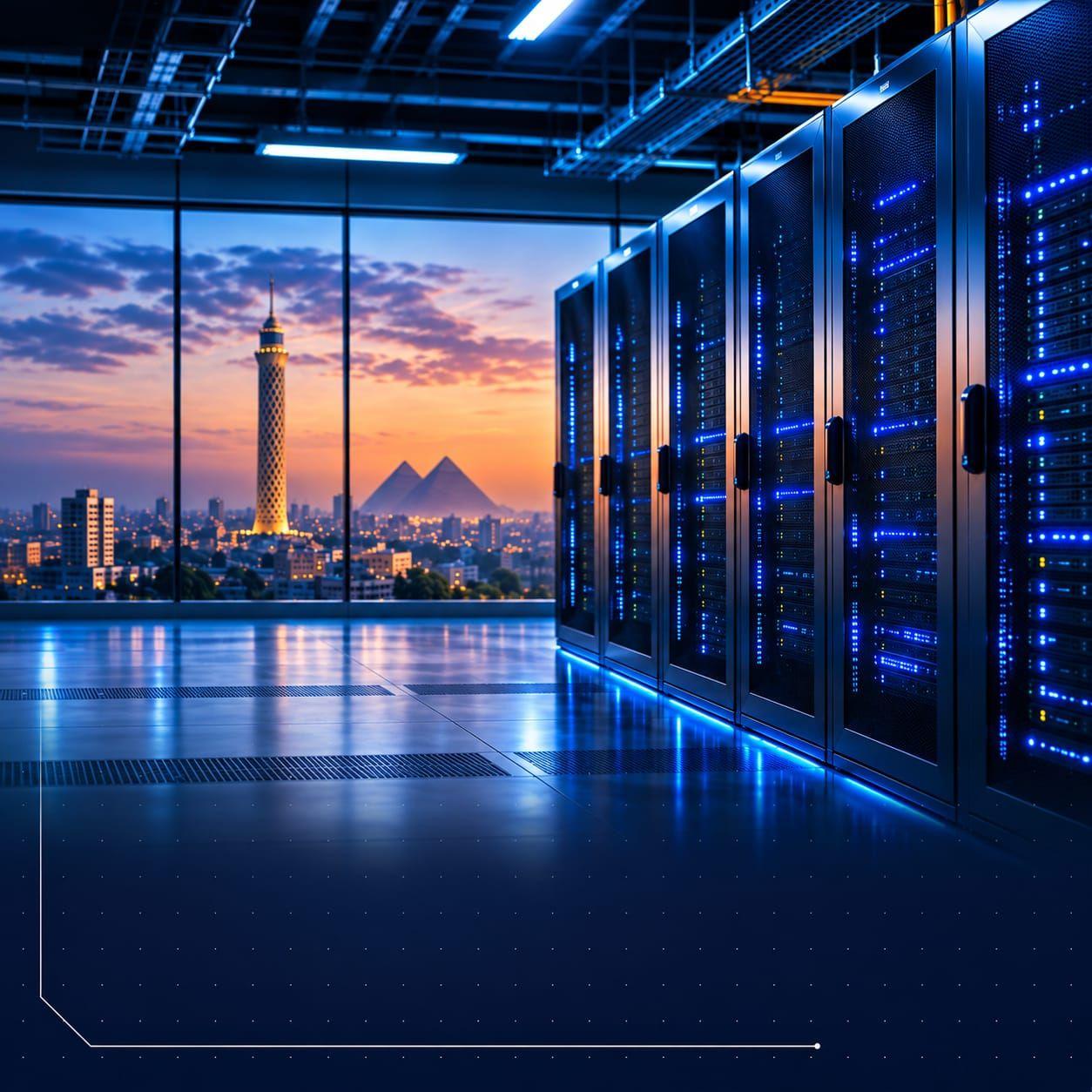
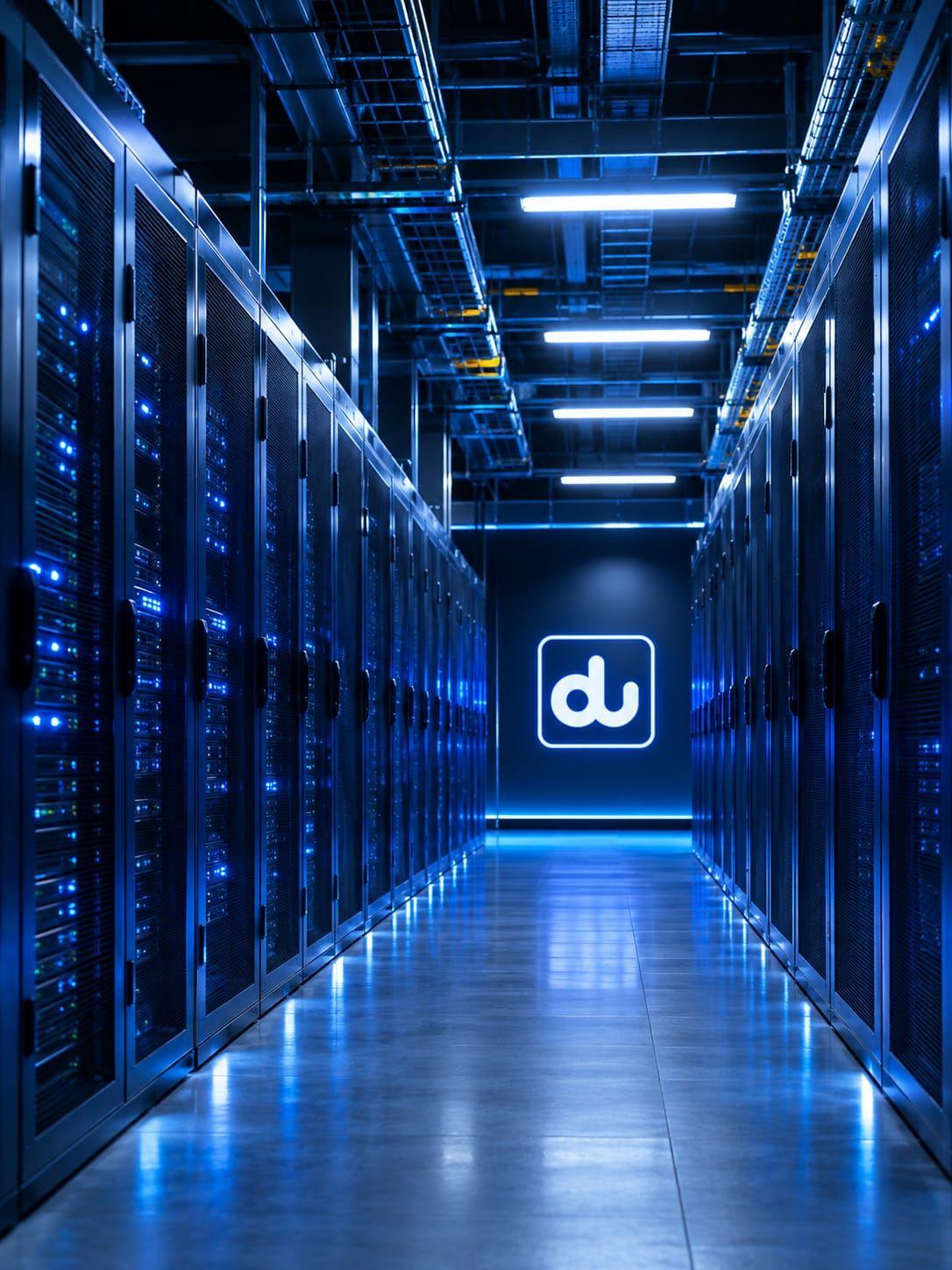
Vodafone, Elsewedy Electric and Cassava Technologies are advancing plans for a major Egyptian data center venture, targeting 200MW of capacity alongside a separate sovereign AI infrastructure project.
[For more news, click here]
Egypt is seeking to expand its data center infrastructure as demand grows for cloud computing, artificial intelligence and local data processing. Large-scale facilities are becoming increasingly important for businesses that need reliable computing capacity, while governments are placing greater emphasis on keeping sensitive information within national borders.
Vodafone Egypt is working with Elsewedy Electric and Cassava Technologies on two data center projects aimed at strengthening the country's digital infrastructure. The plans include Africa Data Centres Egypt, a joint venture targeting up to $1 billion in investment, and a separate sovereign AI facility designed to support advanced applications using locally hosted computing resources. The partnerships were initially announced in September 2026 and were subsequently highlighted in Vodacom's November financial disclosures.
Data center capacity planned to reach 200MW
The Africa Data Centres Egypt project is expected to deliver an initial 20 megawatts (MW) of operational capacity within its first three years, with a longer-term expansion target of 200MW. The facility will serve domestic and international businesses, cloud providers and technology companies requiring hosting, connectivity and computing infrastructure in Egypt.
According to Egypt's Ministry of Communications and Information Technology, the first phase is expected to attract approximately $200 million in foreign direct investment, while total investment could reach $1 billion if the project achieves its full planned capacity. These figures represent investment projections rather than completed spending.
Vodafone's November 2026 investor presentation also identifies a 30% equity stake in the joint venture. The project brings together Vodafone Business's enterprise and cloud expertise, Elsewedy Electric's infrastructure and energy capabilities, and Cassava Technologies' experience operating data centers across Africa.
The companies expect the development to create up to 200 direct jobs and approximately 2,000 indirect jobs. However, the full construction timetable and confirmed operational launch date have not been disclosed.
Separate project targets sovereign AI computing
Alongside the larger data center development, Vodafone Business and Cassava Technologies are planning a facility dedicated to running advanced artificial intelligence applications within Egypt. The project aims to provide local computing capacity for organizations that need to process sensitive information without relying entirely on infrastructure hosted abroad.
The planned sovereign AI facility will incorporate NVIDIA technologies through Cassava Technologies, enabling access to GPU-as-a-Service (GPUaaS). This model allows businesses to rent graphics processing capacity for AI workloads without purchasing and maintaining their own hardware.
According to Vodacom's original announcement, the partnership is intended to support government entities and enterprises developing AI applications while keeping data processing within Egypt. Local hosting could help organizations address data residency requirements, although regulatory compliance will still depend on how systems are managed and secured.
The partners have not disclosed the sovereign AI facility's GPU capacity, individual investment value or confirmed customer deployments. Its computing specifications also remain separate from the 20MW initial capacity and 200MW expansion target announced for Africa Data Centres Egypt.
Egypt expands investment in digital infrastructure
The projects form part of broader efforts to position Egypt as a regional destination for cloud services, data hosting and AI infrastructure. The country's international connectivity, supported by submarine cables and terrestrial networks, provides a foundation for serving local businesses and international technology companies.
During the partnership announcement in September, Egypt's communications ministry said it was preparing a national data center strategy covering future storage and computing requirements, investment incentives and regulatory development. The initiative reflects the government's interest in attracting private investment while expanding the country's ability to host and process data locally.
Vodafone Egypt is also planning more than LE 20 billion in capital investment during the 2026/2027 financial year, according to Vodacom's interim financial results. That spending covers network and IT investments and should not be confused with the separate $1 billion data center development target.
Despite the scale of the proposed investment, several details remain unresolved, including the facilities' locations, energy supply arrangements and the timeline for reaching full capacity. These factors will be important in determining whether the projects can attract major cloud providers and support demanding AI workloads.
The partnerships could significantly expand Egypt's digital infrastructure if completed as planned. Their longer-term impact will depend on translating the announced investment and capacity targets into operational facilities capable of serving businesses across Egypt and the wider region.