Fintech
Dubai Future Finance Week Day 3 Examines Wealth and Islamic Finance

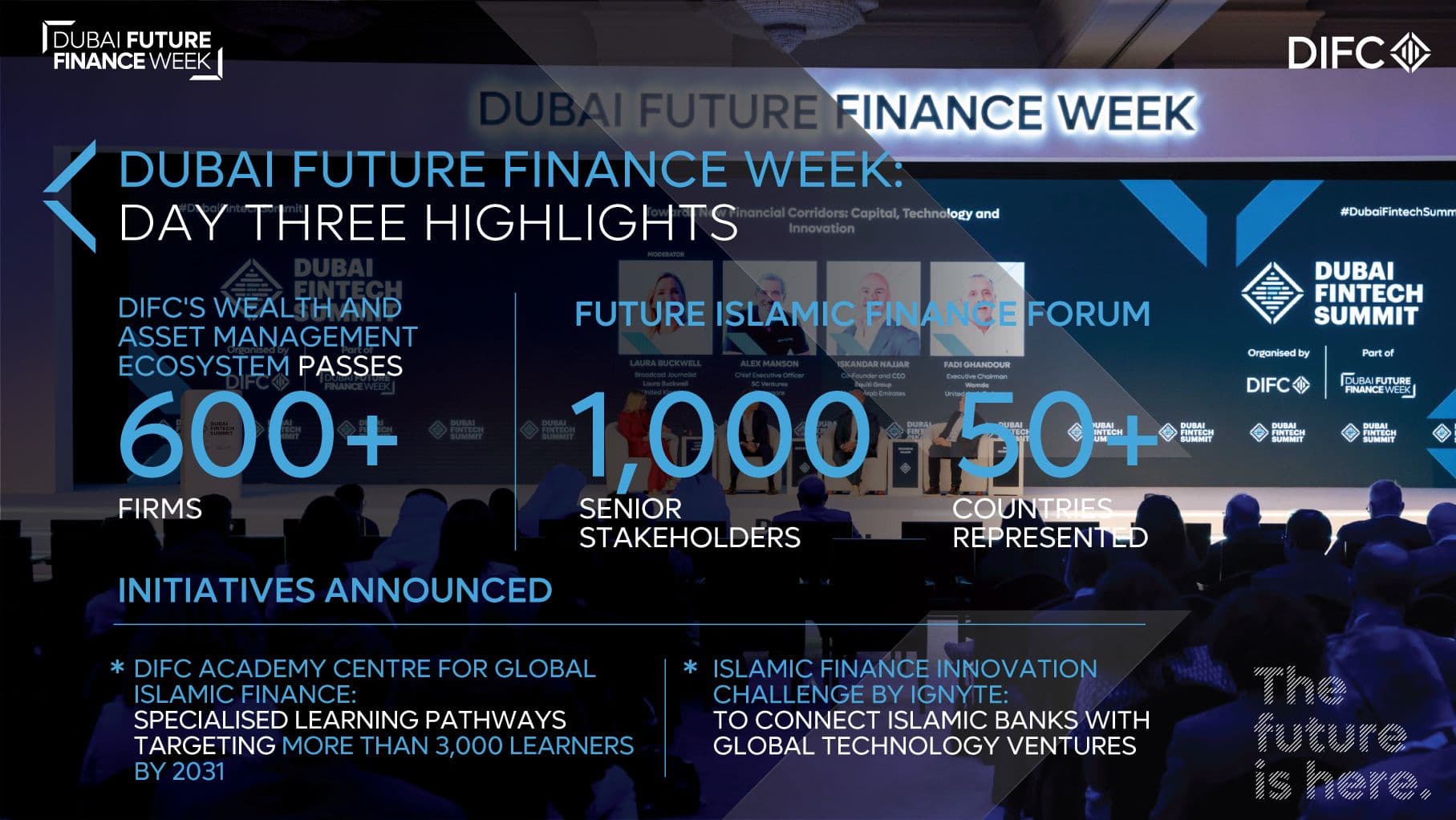
DIFC's wealth and asset management community passes 600 firms as new initiatives focus on Islamic finance skills and technology.
For more news, click here
Expanding financial services across markets requires institutions to address differences in regulation, product design and professional expertise. Those issues shaped the third day of Dubai Future Finance Week on November 4, with discussions spanning private wealth, Islamic finance, credit and insurance.
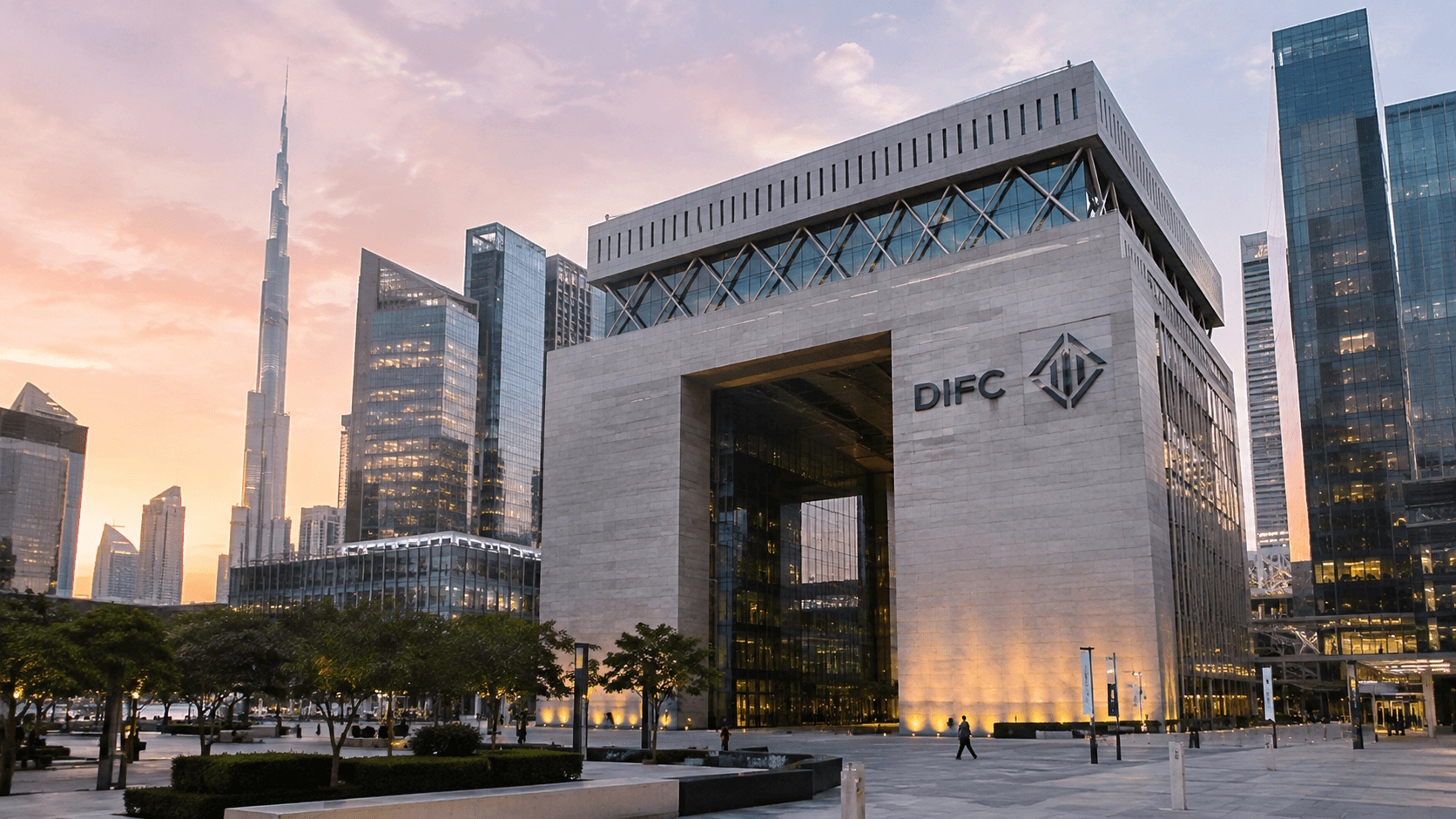
Dubai International Financial Centre (DIFC) said its wealth and asset management community now exceeds 600 firms. Alongside that growth, the day's program examined how financial institutions can develop specialist skills, test technology and manage capital across borders.
Islamic finance skills and technology
The Future Islamic Finance Forum brought together more than 1,000 senior stakeholders from over 50 countries to examine cross-border liquidity, regulatory alignment and Sharia-compliant investment. Its initiatives addressed two practical requirements for the industry: training people to work with Islamic financial products and helping institutions assess technology for those services.
Speakers included Dr. Adnan Chilwan, group chief executive of Dubai Islamic Bank; Eric Salomons, head of product development at Dubai Financial Market; and Eisa Al Amri, associate director for macro-prudential supervision at the Dubai Financial Services Authority. The forum also examined tokenization in Islamic capital markets, adding digital product structures to its discussions on cross-border liquidity and regulation.
DIFC Academy launched specialized learning pathways through its Centre for Global Islamic Finance, targeting more than 3,000 learners by 2031. The programs cover beginner through advanced levels and involve academic institutions and industry partners.
The Islamic Finance Innovation Challenge by Ignyte will connect Islamic banks with technology ventures to pilot solutions across financing, sukuk structuring, compliance and takaful, or Islamic insurance. This gives the technology work a defined set of financial activities to address, including how products are structured and how institutions meet their obligations.
DIFC Innovation Hub also plans to establish an Islamic Finance Innovation Centre with CRDB Bank PLC, Emirates Islamic Bank, Principle Investor Group and Standard Chartered Saadiq.
The proposed platform will bring financial institutions together with regulators, Shariah scholars, standards bodies and technology companies. Participants will identify shared priorities, assess potential solutions and work toward adoption across markets. This structure is intended to give banks a way to test ideas with the institutions responsible for both financial regulation and Shariah requirements.
The planned innovation center is separate from the Academy's training center. Together with the challenge, the initiatives cover professional learning, technology pilots and collaboration between institutions.
Private credit and insurance
The DealCatalyst Fixed Income Alternatives program brought global asset managers and structured-credit investors from Europe and the United States together with regional commercial banks, sovereign wealth funds and financial institutions. Discussions covered private credit, structured finance and alternative funding models, placing different sources of financing within the wider conversation about regional capital markets.
GAIP InsureTek Dubai 2026 focused on risk-transfer models, underwriting automation and climate resilience. Its participants included insurers, reinsurers and brokers, bringing the firms that assess, price and distribute risk into the program alongside investment managers and banks.
Salmaan Jaffery, chief business development officer of DIFC Authority, said:
“The future of finance will be shaped through collaboration between the global institutions, investors, policymakers and industry leaders who are driving change across our sector.”
Across wealth management, credit, insurance and Islamic finance, the practical question is how specialist expertise translates into services clients can use. The training pathways and proposed technology programs offer ways to develop that expertise, with adoption dependent on solutions meeting market, regulatory and Shariah requirements.