Fintech
Egypt's move beyond cards puts banks at the center of smartphone payments

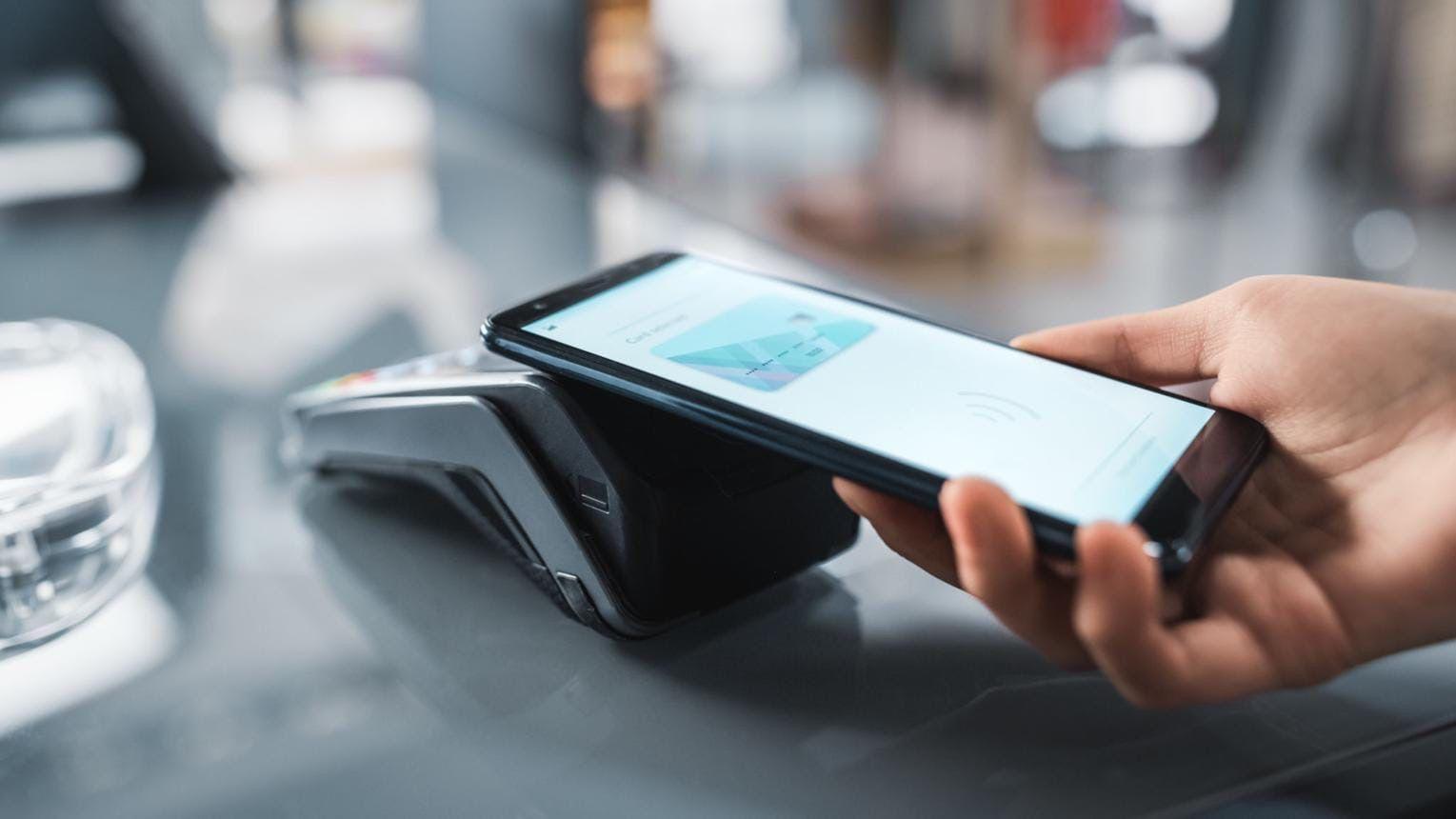
Egypt's Meeza payment service is making it easier for Android users to pay with their phones instead of cash or physical cards.
[For more news, click here]
Egypt expands its digital payment infrastructure and moves toward reducing reliance on physical cards and cash. Around 292 million transactions worth LE228 billion were processed through Apple Pay in Egypt between its December 2024 launch and September 2026, according to the Central Bank of Egypt (CBE).
The next stage extends those capabilities to Android users, with CBE-backed card tokenization enabling Meeza’s Tap & Pay service through participating banks. This brings contactless payments into banking applications, strengthening banks’ role in everyday digital transactions.
Banks take a bigger role in mobile payments
The Egyptian Banks Company for Technological Advancement (EBC), which operates the national Meeza payment scheme, introduced Tap & Pay. The service initially supports eligible Meeza cards through the mobile banking applications of Banque Misr and the National Bank of Egypt.
Customers can add their cards to supported applications and make purchases using NFC-enabled Android smartphones at contactless payment terminals. Instead of transmitting the original card number, tokenization replaces sensitive payment information with a unique digital identifier, reducing the exposure of card details during transactions.
The development also allows banks to integrate payments into applications customers already use for transfers, account management and other financial services.
Visa announced a parallel expansion of tokenized contactless payments through participating banks, including Banque Misr, NBE and QNB, subject to individual rollout schedules and approvals.
Together, these developments suggest a broader shift in which banks retain a direct relationship with customers as payments become increasingly mobile, rather than relying exclusively on separate digital wallet applications.
Egypt's digital payment infrastructure continues to expand
Smartphone payments are becoming another part of Egypt's growing financial technology ecosystem. The CBE reported that financial inclusion reached 79% by June 2026, with 56.4 million people aged 15 and above holding active financial accounts or instruments.
These developments reflect wider access to financial services, although having an account does not necessarily mean consumers regularly use digital payments for everyday purchases.
The expansion also creates opportunities for financial technology providers connecting banks, merchants and payment networks. As Tech Revolt previously reported, Egyptian fintech enza supports integration with domestic systems such as Meeza and InstaPay alongside international payment networks.
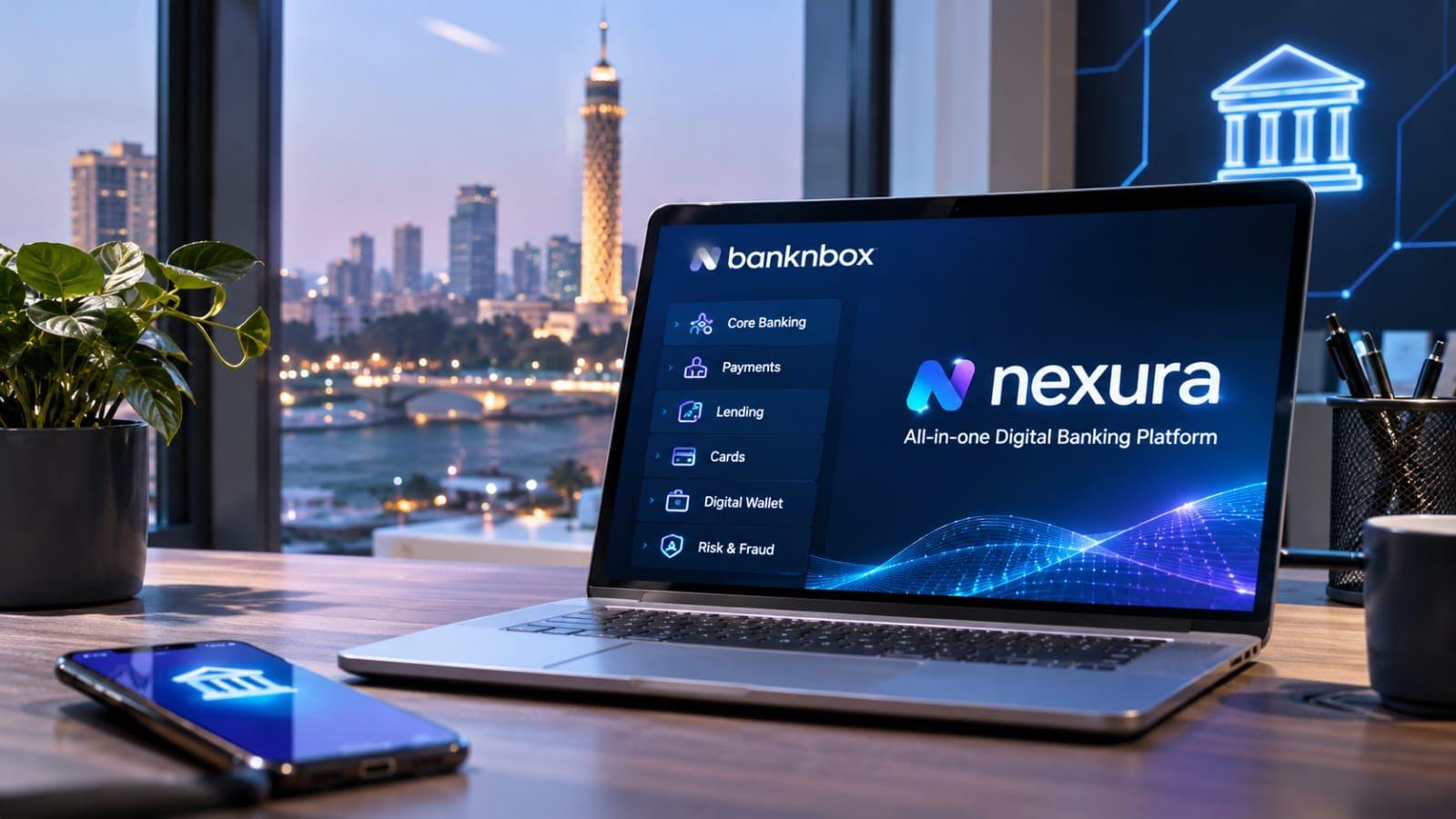
Similarly, banknbox's recently launched nexura platform reflects growing demand for integrated banking infrastructure, combining digital channels, cards, payments and other financial services.
For banks, the challenge is increasingly about connecting these capabilities into convenient services that customers can use consistently.
Wider adoption depends on accessibility and trust
Despite the opportunities, the transition toward smartphone payments will depend on more than technology availability.
Meeza's Tap & Pay service requires eligible cards, supported banking applications, NFC-enabled Android devices and merchants equipped with contactless terminals. Its initial availability through two banks also means access will expand gradually as more institutions introduce the service.
Security and customer confidence will be equally important. Tokenization protects card information during payments, but financial institutions must also ensure that customers can manage lost devices, remove digital cards and resolve disputed transactions.
As Tech Revolt's analysis of trust in MENA digital payments highlighted, convenience alone is insufficient to build lasting confidence in digital financial services.
For Egypt, the significance of Meeza's expansion extends beyond replacing plastic cards with smartphones. It reflects a gradual transformation of the payment experience, with banks, domestic payment infrastructure and mobile technology becoming more closely connected.
The next measure of progress will be whether broader bank participation, merchant acceptance and customer confidence translate into more frequent digital transactions and reduced dependence on cash.
Related Articles
MNT-Halan's IPO Puts Egypt's Fintech Market to a New Test
Botim Brings UAE's Jaywan Payment Scheme to Millions of Workers With New Prepaid Card
Is MENA's Payments Market About to Consolidate Around a Few Regional Giants?