Technology
NETSCOUT reports 20% lower power use for network monitoring equipment amid AI data center expansion


As AI drives data center electricity demand higher, NETSCOUT says its latest monitoring hardware can save around 1.3 MWh per device annually.
[For more news, click here]
BloombergNEF forecasts global data center electricity consumption will nearly quadruple to 2,354 terawatt-hours (TWh) by 2035, representing approximately 7% of worldwide electricity demand. As AI infrastructure expands, improving the efficiency of supporting equipment is becoming another consideration alongside the energy required for computing and cooling.
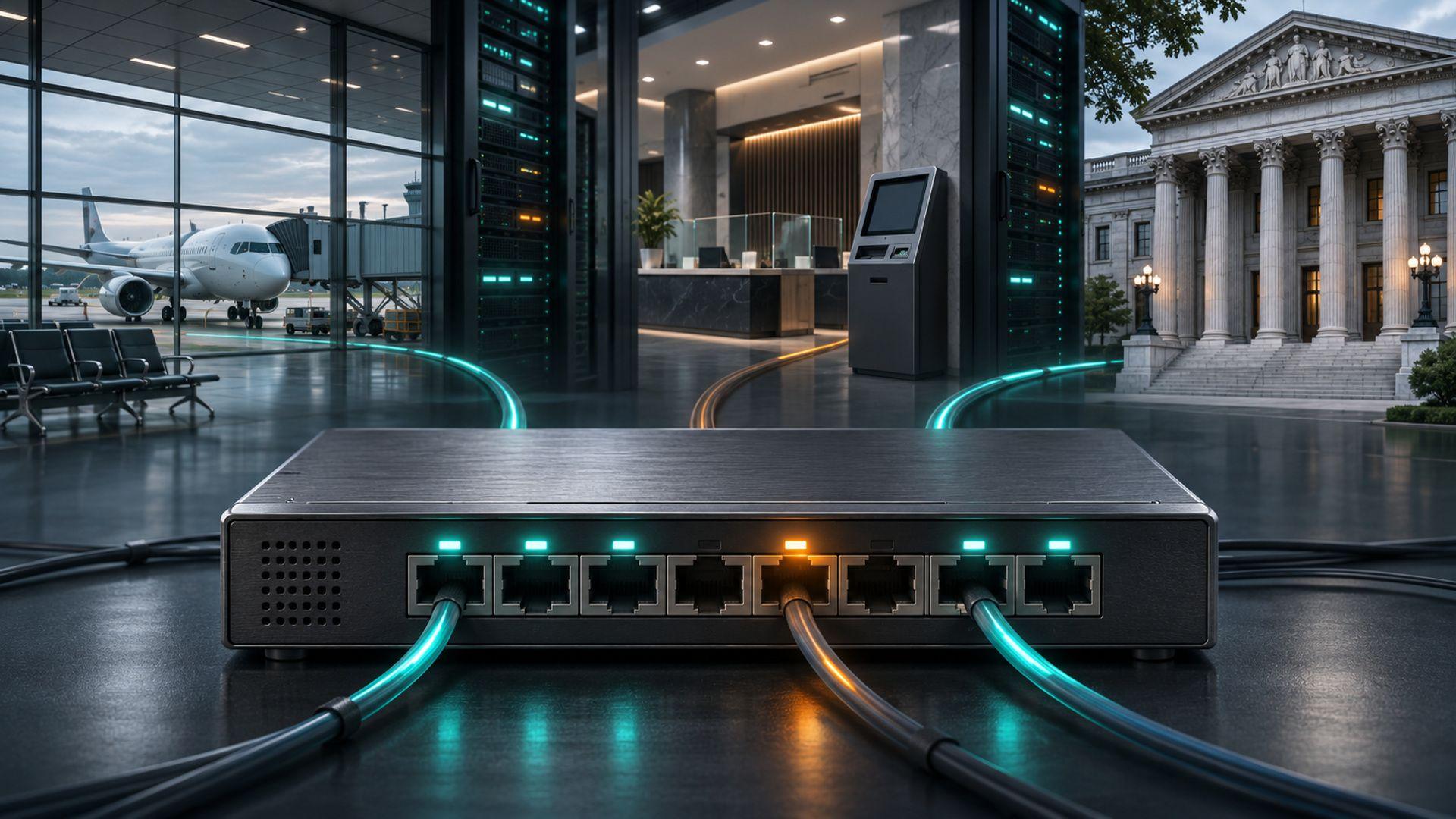
NETSCOUT has upgraded its network monitoring hardware that consumes approximately 20% less power than its previous generation, as data center operators face growing pressure to manage electricity demand and infrastructure costs. The company's laboratory tests recorded annual savings of around 1.3 megawatt-hours (MWh) per device, showing how replacing individual components could contribute to more efficient operations.
NETSCOUT's M-Series demonstrates measurable energy savings
NETSCOUT has outlined how its sustainability-by-design approach is intended to reduce energy consumption across its network observability and security equipment.
According to the company's technical assessment of its M-Series platform, laboratory testing of its InfiniStreamNG 3U appliance showed that the earlier J-Series consumed 707 watts under standard network traffic conditions, compared with 555 watts for the M-Series.
The reduction of 152 watts translates into approximately 1.3 MWh in annual electricity savings per device under continuous operation. NETSCOUT also reported comparable results from a live customer deployment involving the two platforms operating under similar traffic conditions.
The M-Series uses fourth-generation Intel Xeon Scalable processors based on the Sapphire Rapids architecture, alongside more energy-efficient cooling fans. NETSCOUT says the improvements are designed to reduce power consumption without compromising network monitoring capabilities.
The company also highlights hardware consolidation as another potential benefit. Some customers can replace older monitoring appliances and separate storage units with a single M-Series device, reducing the number of components required to support operations.
Data center electricity demand puts efficiency under pressure
NETSCOUT's upgrade reflects a broader challenge facing the technology industry as artificial intelligence increases demand for computing capacity.
BloombergNEF's November 2026 research projects that global data center electricity demand could reach 2,354 TWh by 2035. The report also identifies growing pressure on electricity grids, with some developers considering dedicated gas-fired generation to secure power for new facilities.
For data center operators, improving efficiency across servers, networking equipment, cooling systems and power distribution can reduce the electricity required to maintain operations.
However, NETSCOUT's reported 20% improvement applies specifically to its equipment rather than an entire data center. The overall impact will depend on how many devices an organization operates, its existing infrastructure and the proportion of electricity consumed by monitoring systems.
The company says additional savings may result when cooling and power distribution losses are considered. Yet the announcement does not provide independently verified facility-wide savings, financial payback estimates or quantified reductions in carbon emissions.
Environmental benefits will also depend on the electricity source. Equipment operating on renewable electricity and equipment powered by fossil fuels may deliver similar electricity savings but different emissions reductions.
Why the findings matter for Gulf AI infrastructure
The development is relevant to the Gulf, where investment in AI computing and sovereign data centers is increasing demand for reliable power and cooling infrastructure.
As Tech Revolt previously reported, the region's data center expansion is placing greater emphasis on energy efficiency, liquid cooling and infrastructure capacity. These considerations are particularly important in markets where high ambient temperatures increase cooling requirements.
Recent developments include du's National HyperAI platform, which operates across five existing UAE data centers and incorporates liquid-cooled infrastructure to support sovereign AI workloads.
While NETSCOUT's M-Series does not directly reduce the computing power required by AI models, more efficient supporting equipment could contribute to broader efforts to control operating costs.
For businesses and data center operators, the purchasing decision will depend on whether electricity savings justify the expense of replacing existing hardware, alongside considerations such as performance, equipment lifespan and maintenance requirements.
NETSCOUT has not disclosed the number of customers adopting the M-Series for sustainability reasons or the total energy savings achieved across installations.
As AI infrastructure expands, the significance of such improvements will depend on their performance at scale. For operators, the next step is demonstrating how equipment-level efficiency translates into measurable reductions in overall operating costs and environmental impact.