Startups
KubeCon North America 2026 Focuses on Running AI Reliably

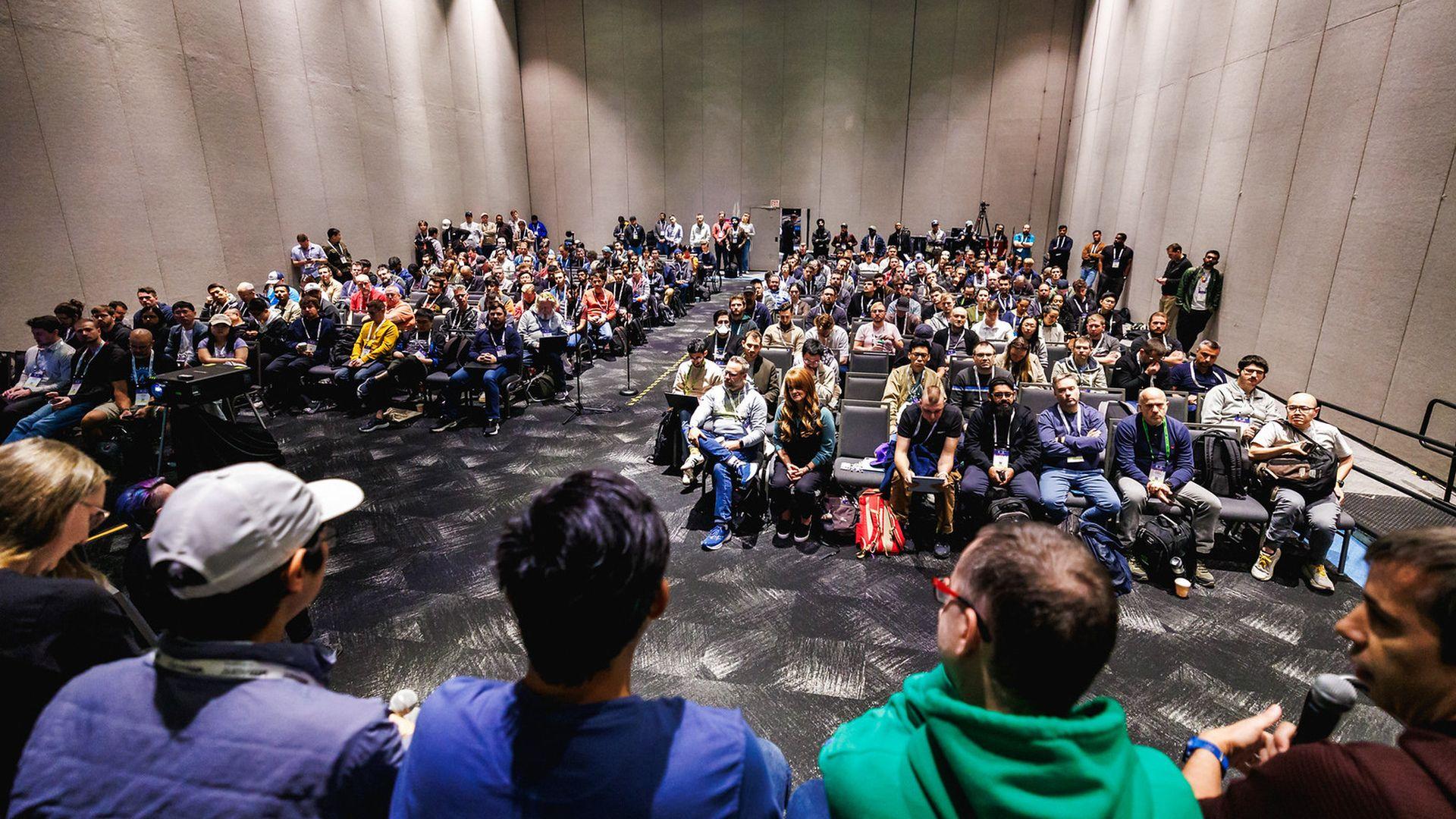
New tools aim to control AI agents, simplify system management and help companies update applications faster.
[For more news, click here]
Using AI in everyday business operations requires more than a working model. Companies need enough computing power, reliable applications, and clear limits on what automated systems can access.
Those challenges shaped announcements at KubeCon + CloudNativeCon North America 2026, held November 9-12 in Salt Lake City. The Cloud Native Computing Foundation (CNCF) highlighted new tools for controlling AI agents, managing computing resources and updating applications.
The conference centers on Kubernetes, open-source software that manages applications across groups of servers. It helps assign computing resources, adjust capacity and restart failed applications, reducing routine work for IT teams. Many of the products discussed at KubeCon build on this software.
Controlling what AI agents can access
AI agents are software systems that can carry out tasks and use other tools. CNCF's announcements included two early-stage projects, Agent Substrate and OpenShell, designed to make that work safer.
Agent Substrate provides an isolated environment for agents to run code. OpenShell sets rules for access to files, networks, login credentials and AI models. These controls help teams limit what an agent can reach when it performs a task involving sensitive systems or data.
The focus echoes Tech Revolt's earlier interview with Jonathan Bryce on managing cloud systems consistently. Bryce, CNCF executive director, said in the foundation's conference announcement:
"AI teams need control over where their models run, what their agents can do, and how their systems behave in production."
Simplifying day-to-day system management
Red Hat released OpenShift 5, with AI tools for investigating system problems and checks before software updates. It also strengthens separation between different groups sharing the same infrastructure. The platform lets companies run AI services alongside existing applications.
Microsoft's updates to Azure Kubernetes Service help applications request the graphics processors and fast network connections they need. These resources support demanding AI tasks. The changes give teams more precise control over the hardware assigned to each application.
SUSE is taking a similar approach. As Tech Revolt previously reported, its Rancher Prime updates let IT teams use AI to investigate system problems. An administrator must approve changes proposed by the AI before they are applied.
Updating applications without rebuilding everything
CNCF also recognized KubeVirt, software that helps businesses manage existing applications alongside newer cloud services. Companies can keep older software running while gradually updating how they manage it, without rewriting every application first.
A Meta case study provided an example of faster software delivery. The company reported cutting routine application update times from more than four hours to minutes. It separated those updates from the work of setting up computing resources, allowing teams to release software without waiting for that wider process.
The announcements show a shared effort to make AI services easier to control, maintain and update. Some tools are already available, while others remain at an early stage. For businesses, their value will depend on reducing everyday operating work while keeping applications reliable.