AI
Qatar and France expand digital cooperation with focus on AI and emerging technologies

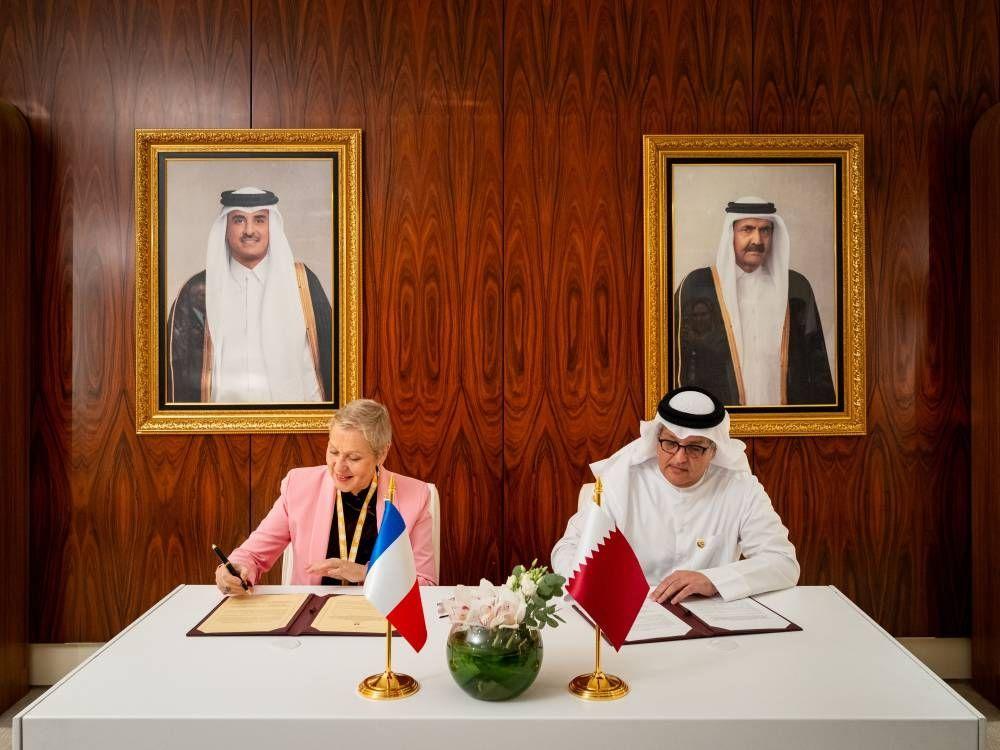
Qatar and France have signed a letter of intent covering artificial intelligence, digital transformation and emerging technologies.
[For more news, click here]
Governments are increasingly treating artificial intelligence and digital infrastructure as strategic capabilities rather than simply tools for modernizing public services. With the expansion of AI adoption, questions around technological independence, access to advanced systems and the development of local expertise are becoming more important. International cooperation is playing a growing role in helping countries strengthen these capabilities while addressing the challenges of digital transformation.
Qatar and France have signed a letter of intent to strengthen cooperation in communications and information technology, covering artificial intelligence, digital transformation, innovation and emerging technologies. The agreement provides a framework for exploring future partnerships and exchanging expertise as both countries pursue their digital development priorities.
The letter was signed by Qatar's Minister of Communications and Information Technology, Mohammed bin Ali Al Mannai, and France's Minister Delegate for Artificial Intelligence and Digital Affairs, Anne Le Hénanff, during the International Telecommunication Union's Plenipotentiary Conference 2026 in Doha.
Digital sovereignty shapes cooperation priorities
A central theme of the agreement is the growing importance of digital sovereignty, particularly as governments expand their reliance on AI systems, cloud technologies and digital services. Digital sovereignty generally refers to the ability of countries and organizations to exercise control over their digital infrastructure, data and technology decisions, reducing dependence on external providers where necessary.
Le Hénanff highlighted the countries' shared interest in strategic autonomy within the digital sector, identifying AI and quantum technologies as areas of common ambition. She also referred to France's pursuit of a "third way" in artificial intelligence, although the announcement did not explain how this approach would translate into specific bilateral projects.
For Qatar, the cooperation could provide opportunities to access technical expertise, strengthen digital capabilities and explore collaboration with French technology institutions and companies. Al Mannai emphasized the importance of exchanging knowledge in advanced technologies and developing digital skills, particularly as AI creates new opportunities for economic development.
The announcement does not specify whether the two countries will develop joint AI infrastructure, establish research programs or pursue particular quantum computing projects. These remain potential areas for cooperation rather than confirmed initiatives.
Building on Qatar and France's technology strategies
The agreement aligns with Qatar's Digital Agenda 2030, which outlines six strategic priorities covering digital infrastructure, economic development, innovation, digital government, emerging technologies and workforce capabilities. The agenda aims to support Qatar's transition toward a more diversified, technology-driven economy by strengthening its digital ecosystem and encouraging the adoption of advanced technologies across different sectors.
Qatar has already been expanding its partnerships in these areas. In November 2026, its Ministry of Communications and Information Technology announced a collaboration with Cisco to explore AI applications, security and connected digital services. The ministry also signed a separate agreement with Byanat AI to investigate the use of artificial intelligence and advanced analytics in monitoring telecommunications networks and data centers.
France is pursuing its own efforts to strengthen technological independence. In September 2026, the French government introduced the Digital and AI Pact, establishing a framework for closer cooperation between government institutions and domestic technology providers. The initiative focuses on strengthening sovereign capabilities in cybersecurity, artificial intelligence and cloud services, including identifying technological needs and supporting the development of trusted solutions.
The bilateral cooperation also builds on discussions during the fourth Qatar–France Strategic Dialogue in October 2026. Both countries identified AI and quantum technologies as potential areas for deeper collaboration, while their joint statement welcomed a letter of intent covering communications and information technology.
From digital agreements to practical collaboration
The signing took place during the ITU Plenipotentiary Conference 2026, held in Doha from November 9 to 27. The conference brings together representatives of the ITU's 194 member states to determine the organization's strategic direction, financial priorities and leadership. Discussions also address digital infrastructure, connectivity and the role of emerging technologies in economic and social development.
For Qatar and France, the letter of intent establishes a basis for closer engagement across several technology fields, but the practical scope of the cooperation remains undefined. Neither government has disclosed dedicated funding, implementation timelines or specific technology projects under the agreement.
The development reflects the increasing importance of international technology partnerships as countries pursue AI adoption and greater digital autonomy. Its longer-term impact will depend on whether Qatar and France translate their shared priorities into research initiatives, technical collaboration and practical applications that support their respective digital economies.