Deep Tech
Saudi Arabia’s First da Vinci 5 Signals a New Phase for Robotic Surgery

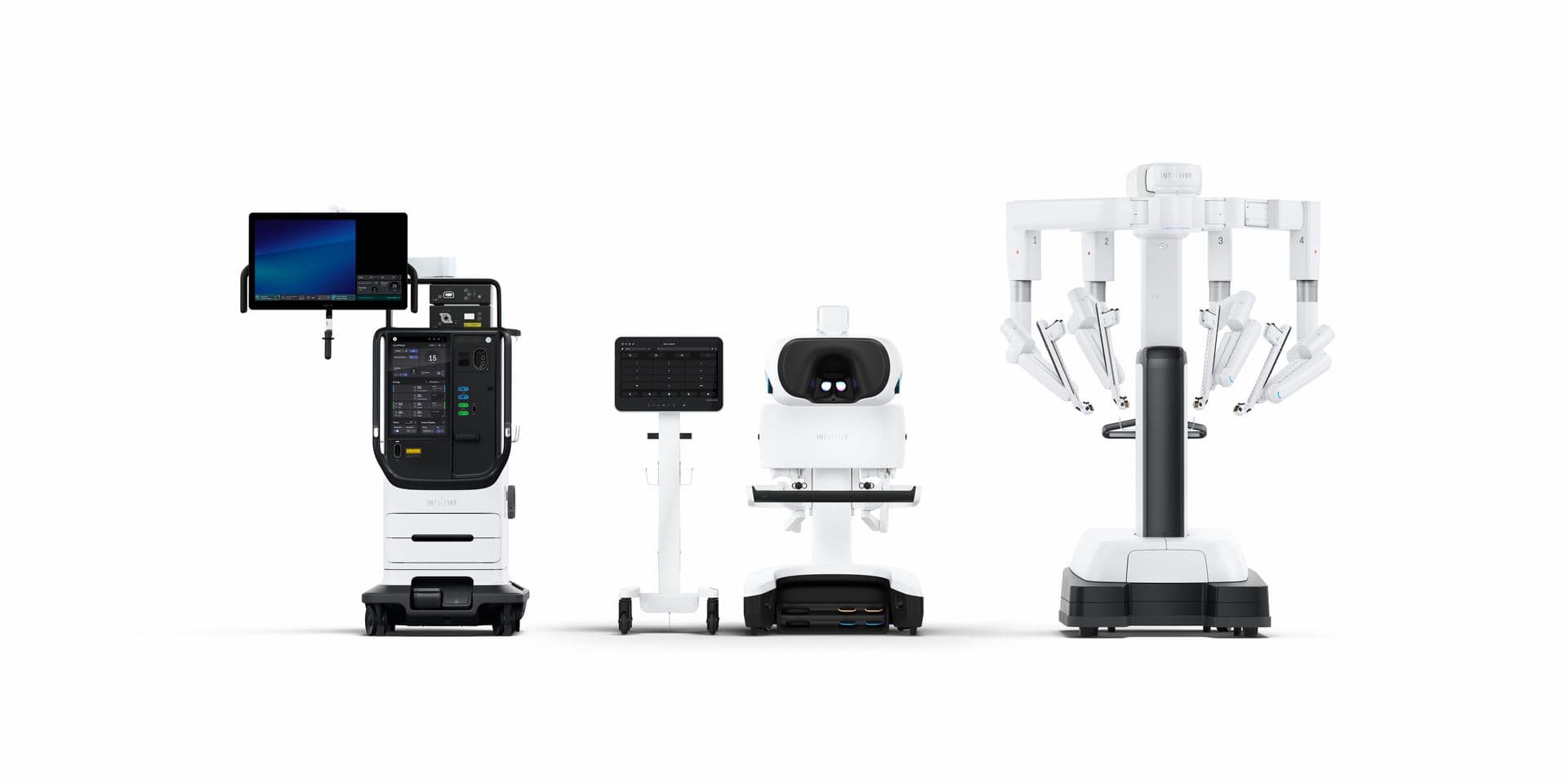
Security Forces Hospital in Riyadh has become the first hospital in Saudi Arabia to deploy the fifth-generation da Vinci robotic surgery system.
[For more news, click here]
Enterprises are experimenting with health tech and how successful it can be in real scenarios. Security Forces Hospital in Riyadh has become the first hospital in Kingdom to deploy da Vinci 5, the latest generation of Intuitive Surgical’s robotic assisted surgery platform. The hospital began using the system in September 2026 and has already completed at least two successful procedures with it, including hernia repair and an adrenal gland removal. Watanksa
This advancement was publicly announced on October 27th by the Saudi Press Agency which said the deployment strengthens the hospital’s minimally invasive surgical capabilities and supports wider adoption of advanced robotic surgery across specialties. Saudi Press Agency.
Robotic Surgery is more Tactile
One of the most important improvements in da Vinci 5 is its force-sensing technology. The earlier generations provided high-definition vision and very precise instrument control but one of the trade-offs was limited tactile feedback. The da Vinci 5 is designed to address that gap.
The system allows surgeons to sense the push and pull forces that surgical instruments apply to tissue during the procedure. Saudi Press Agency.
This may sound like a small upgrade, but it is significant in practice. Surgery is often dependent on understanding how much pressure is being applied to delicate tissue, vessels or organs.
Visual information can tell a surgeon what they are seeing and force feedback adds another layer of information about what the instruments are physically doing. This helps in reducing unnecessary tissue stress and give surgeons more confidence during complex minimally invasive procedures.
The platform also introduces improved computing capabilities and high-definition 3D vision system, alongside enhancements to image processing and the surgeon’s working environment.
The hospital also plans to expand use of robotic surgery across a wider range of specialities. This means that surgeons will require specialized training, nurses and operating rooms will need to understand the system and maintenance and technical skills will need to be available.
Saudi Arabia is investing heavily in healthcare modernization as part of its Vision 2030 with a focus on improving quality, efficiency and access while expanding the use of digital and advanced medical technologies.
It is important to clarify what da Vinci 5 actually does. Despite the term ‘robotic surgery’ the system is not performing the procedure on its own. The surgeon remains in control. The robotic platform translates the surgeon’s movements into smaller and more prices movements of instruments inside the patient. This augmentation showcases the region’s investments in high-end clinical technology rather than just digitization.
Related Articles
Exclusive: Why the GCC’s Next Healthtech Opportunity Is Bigger Than AI
Saudi MedTech 2026 Brings Healthcare Innovation Into Focus in Riyadh
Exclusive: Health-Tech Rising with Four Startups Redefining Care Access and Connection