AI
Staffbase Sees Frontline Access as Key to Gulf AI Returns

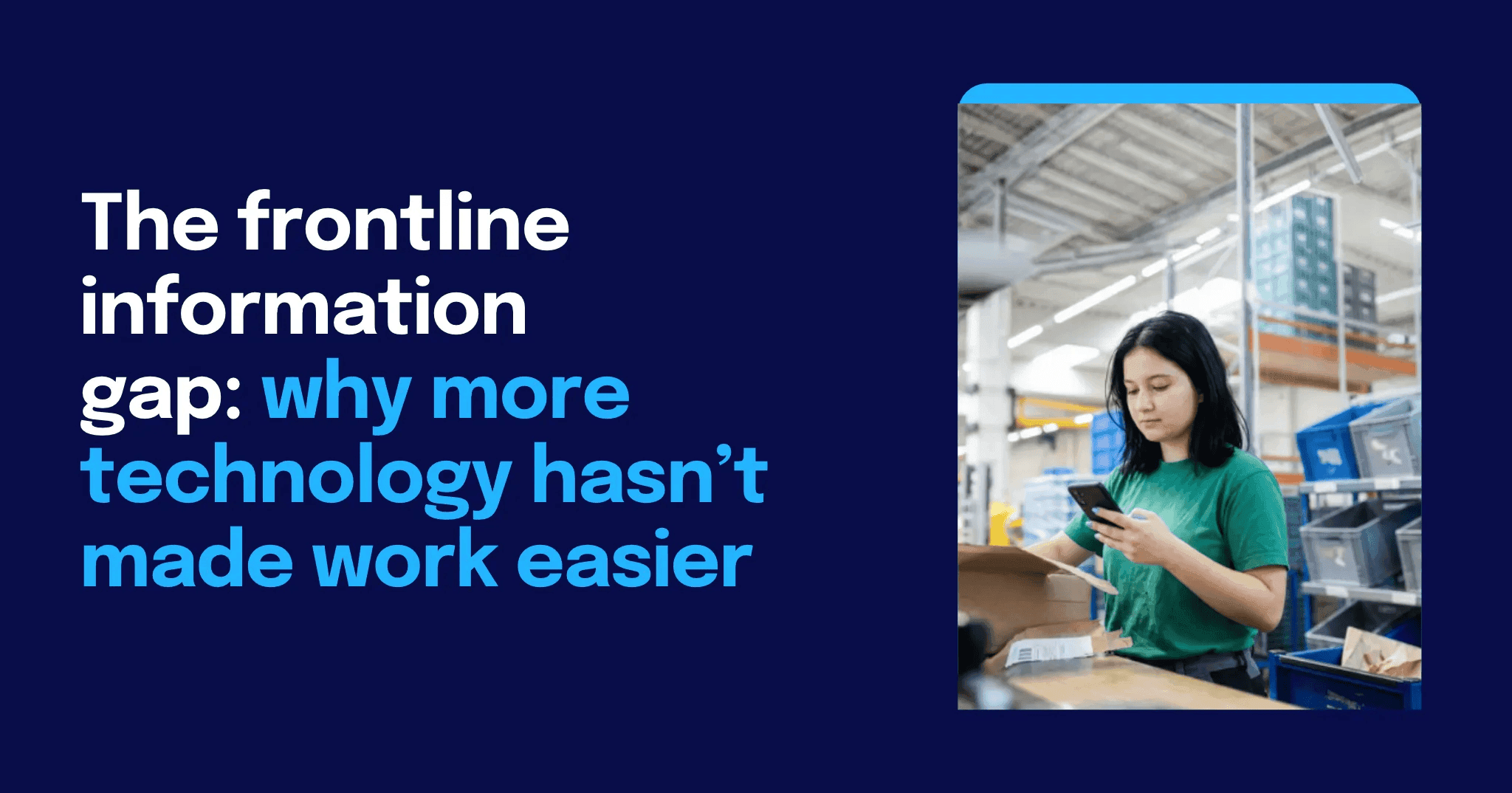
Staffbase’s Gulf perspective draws on a survey of 189 US frontline workers and managers. Only 23% felt fully supported by their information and tools.
[For more news, click here]
Frontline workers need reliable instructions while serving customers, handling goods or caring for patients. When that information is scattered across systems, finding the right answer becomes part of the job.
A study conducted by Forrester Consulting and commissioned by Staffbase found that 48% of US frontline workers and managers surveyed linked information gaps to lower productivity or operational efficiency. Another 44% reported a higher risk of errors, quality issues or missed deadlines, while 43% cited slower decision-making. Just 23% felt fully supported by the information and tools available to them.
In its regional release, Staffbase applies the US findings to Gulf employers’ challenge of reaching teams across sites, shifts and languages. The UAE’s AI strategy for 2031 names logistics and transportation, tourism and hospitality, and healthcare among its priority sectors, giving frontline access a place in the wider digital agenda.
Fragmented information and AI
More than half of respondents received critical company news and information through six or more channels. Staffbase’s research release reports that 35% encountered conflicting, outdated or unclear information a few times a week or more. The combination suggests that access to more channels can still leave employees uncertain about which information to trust.
Respondents also wanted information and action brought closer together. Some 83% said a single app combining work activities and information would have a high or very high impact on their ability to work effectively. AI-powered answers and guidance ranked among the top three desired capabilities for 47%, while 46% prioritized one place to see tasks and next steps.
These are expectations of a more unified experience, rather than demonstrated productivity gains from a particular product. Staffbase recommends designing for the hardest-to-reach employees, connecting existing systems and governing the information AI draws on before deployment.
Conor Duffy, Staffbase’s regional leader for the Middle East, said in the release:
“If the content behind it is outdated or contradictory, AI can give people the wrong answer faster.”
Methodology and Limitations
The Frontline Experience In 2027: Closing The Information Gap draws on a custom survey of 189 frontline workers and managers at US enterprises, conducted in August 2026. It covers retail, healthcare, manufacturing and materials, and transportation and logistics. Its findings describe US respondents’ experiences and expectations. The study did not measure information gaps or AI investment returns in the Gulf.
Key Takeaway
The responses point to demand for fewer barriers between finding an answer and completing a task. For Gulf employers investing in digital services, the operational question is whether trusted information reaches frontline teams when they need it, with the scale of the regional problem still requiring local evidence.