AI
US offers $50 million to support Malaysia’s sovereign AI cloud initiative


The US has proposed $50 million in support for Malaysia’s sovereign AI cloud, with American technology firms potentially contributing to infrastructure development while Malaysia retains operational and data control.
[For more news, click here]
Malaysia is moving forward with plans to strengthen its domestic AI infrastructure, with a focus on keeping sensitive data and computing operations under national control. The country has been investing in cloud services and advanced computing as it seeks to expand AI adoption while reducing dependence on infrastructure operated abroad.
The United States has indicated potential financial support of $50 million for Malaysia's sovereign AI cloud initiative, alongside technical assistance and participation by American technology companies. Announced on November 18 by US President Donald Trump and Malaysian Prime Minister Anwar Ibrahim, the proposed cooperation aims to support the development of locally controlled AI infrastructure.
According to the Malaysian Communications and Multimedia Commission (MCMC), the initiative will remain under Malaysian leadership, with the country responsible for decisions involving infrastructure design, procurement and operations. The proposed US contribution remains subject to further agreements, and no final funding arrangement has been disclosed.
Malaysia maintains control over AI infrastructure
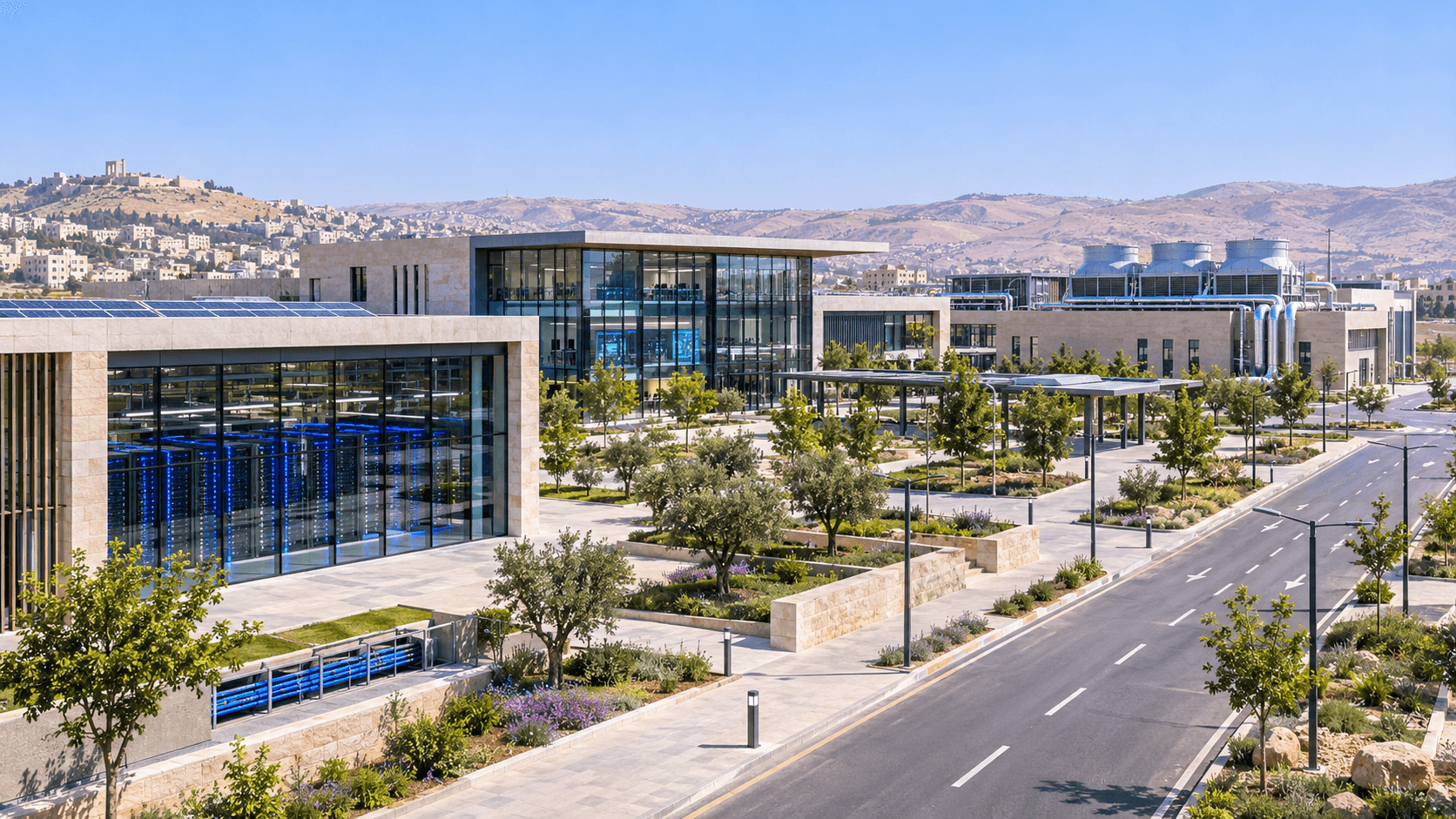
The sovereign AI cloud is intended to provide computing infrastructure for government services and other applications requiring stronger data protection and operational control. Under the proposed arrangement, the infrastructure and its hosted data will be located in Malaysia, governed by domestic legislation and remain under Malaysian possession and management.
MCMC said American technology companies could participate in developing the platform, but their involvement would be subject to Malaysian procurement rules, technical requirements and security standards.
The cooperation could also include training and technical assistance to strengthen Malaysia's AI workforce and develop expertise in operating secure cloud infrastructure. These capabilities are important for organizations seeking to manage advanced computing systems without depending entirely on external service providers.
The White House confirmed the planned collaboration, saying a US consortium would develop a sovereign cloud for the Malaysian government through the US–ASEAN SI SPARK initiative. However, the announcement did not identify the participating companies or provide details about the consortium's responsibilities.
The involvement of foreign technology providers also raises questions about how Malaysia will maintain long-term control over infrastructure that may rely on imported computing hardware, cloud software and technical expertise.
Building on Malaysia’s $486 million AI cloud investment
The proposed partnership builds on Malaysia's existing national AI infrastructure plans. In its 2026 budget, announced in October 2025, the government outlined a RM2 billion investment, equivalent to approximately $486 million, to establish a sovereign AI cloud under MCMC.
The investment forms part of efforts to position Malaysia as an AI-driven economy by 2030, alongside initiatives supporting digital infrastructure, research, cybersecurity and workforce development.
The government's wider strategy aims to strengthen domestic computing capabilities while supporting businesses, researchers and public institutions developing AI applications.
However, the latest announcements do not clarify whether the proposed $50 million US contribution would be additional funding or form part of the existing RM2 billion investment plan.
Malaysia has also attracted major cloud and data center investments from international technology companies, including Microsoft and Google. These projects are expanding the country's computing infrastructure, although commercial cloud investments and government-controlled sovereign systems serve different requirements.
US cooperation could support local AI capabilities
The proposed agreement comes as countries increasingly seek greater control over the infrastructure supporting AI development. For Malaysia, access to advanced computing technologies and international expertise could help accelerate deployment, while domestic ownership and governance remain central to the project's objectives.
In a November 20 assessment, Universiti Putra Malaysia computer science lecturer Muhamad Sufri Muhammad highlighted the importance of involving Malaysian engineers in infrastructure design and development. He also identified dependence on foreign AI chips and cloud platforms as a challenge to long-term technological independence.
The partnership has not yet established a construction timetable, hosting location, computing capacity or confirmed operational launch date. It also remains unclear which technologies and companies will be involved in delivering the platform.
The initiative could strengthen Malaysia's sovereign AI capabilities if the proposed cooperation moves forward. Its longer-term impact will depend on whether the country can develop locally managed infrastructure, build technical expertise and maintain effective control over the systems supporting its digital economy.