MENA News
MBRIF-Backed Innovators Raise Over AED 3.5 Billion in a Decade

The fund’s ten-year report highlights local food production, access to treatment, inclusive learning and technologies addressing water and waste.
[For more news, click here]
The Mohammed Bin Rashid Innovation Fund has marked its tenth anniversary with an impact report tracing its support for businesses in sectors ranging from food production to healthcare and environmental technology.
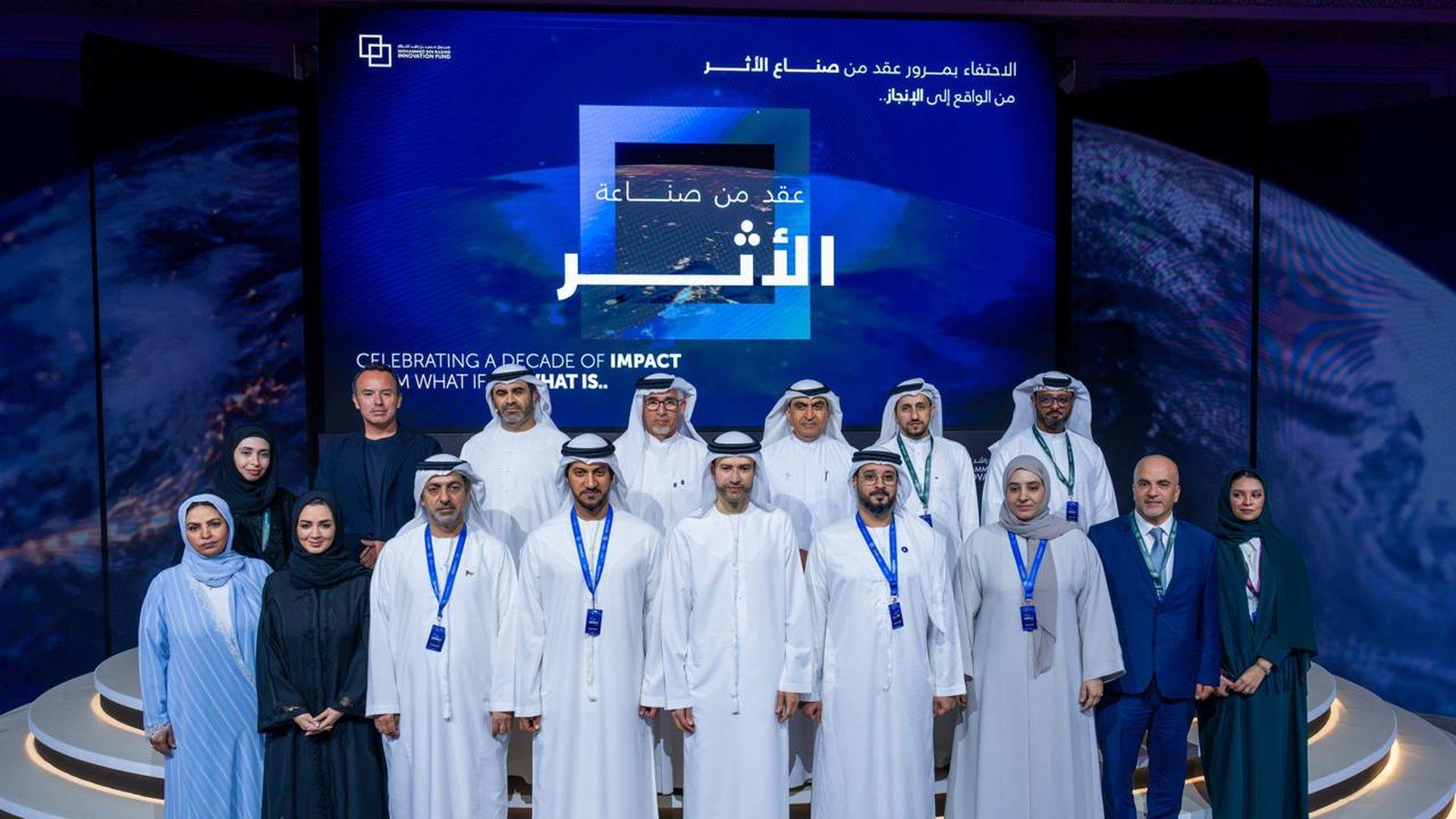
Launched in Dubai on November 19, the report, From What If to What Is: Celebrating a Decade of Impact, says more than 240 innovators supported since 2016 have collectively raised over AED 3.5 billion and contributed to creating more than 1,500 UAE jobs. Their activities range from growing food locally to helping patients finance treatment and making learning more accessible.
The funding total represents capital raised by supported companies. MBRIF, a Ministry of Finance initiative, combines government-backed loan guarantees with expertise and market connections to help businesses grow. It has attracted applications from more than 100 countries.
Connecting financing with business support
Through its Guarantee Scheme, MBRIF has provided guarantees for bank financing exceeding AED 45 million since 2016, without taking equity in beneficiary companies. Founders can access borrowing while retaining ownership. The fund’s programs cover clean energy, transport, education, healthcare, technology, water and space.
The Innovation Accelerator, launched in 2018, adds mentorship, sector expertise and introductions to markets and partners. Across 12 cohorts, the report records more than 3,000 collaboration opportunities, helping businesses build relationships needed to expand in the UAE and abroad.
Shaker Zainal, Head of MBRIF, said:
“Our experience over the past decade has demonstrated that empowering innovators requires an integrated ecosystem combining flexible financing solutions with business growth services, while responding to companies’ needs at different stages of development. An innovator may need financing at one stage, and specialist expertise, market access, an understanding of regulatory requirements or partnership-building at another.”
The Innovation Trailblazers program, launched in 2025, extends that support to university entrepreneurs. Its first edition attracted 70 applications from 20 universities, with 13 teams reaching the final stage. Winning teams received grants and strategic guidance, giving students a route to develop ideas into businesses.
Benefits for businesses and people
The report connects company growth with the movement of goods and domestic food supply. Logistics provider Quiqup facilitated AED 875 million in commercial transactions in 2026, while Pure Harvest produces more than 13,000 tonnes of fresh crops annually in the UAE. Delivery services help businesses connect online sales with customers, while local crop production adds to the UAE’s fresh food supply.
In healthcare, Toothpick has arranged over AED 150 million in patient financing through licensed financing partners, providing additional payment options for treatment.
Education and accessibility provide another measure of reach. Social and emotional learning platform Peekapak has reached approximately 50,000 students across 80 UAE schools. Assistive technologies developed by Key2Enable have reached more than 30,000 registered users worldwide, helping people with disabilities communicate and interact more independently.
The report also highlights 01Gov, which uses agentic AI to help government teams access and apply international practices in government innovation. Its role connects technology development with the knowledge officials use to shape services.
Water, waste and local manufacturing
Environmental examples address resource pressures through different approaches. The report describes Manhat’s technology for producing fresh water from seawater without electricity, and Circa Biotech’s conversion of food waste into proteins, sustainable aviation fuel and fertilizers.
Nadeera uses a technology-enabled rewards system to encourage households and communities to sort and recycle waste. AVANI is developing UAE manufacturing capabilities for alternatives to conventional single-use plastics, while AkelTech designs and manufactures automated food solutions locally.
Seramic Materials turns industrial waste into construction materials and technical ceramics. According to the report, its products can reduce carbon emissions by more than 30% and processing energy consumption by approximately 20% compared with conventional alternatives. Such approaches offer ways to recover value from waste while reducing the resources needed for production.
MBRIF community members also secured more than 65 places on the UAE’s Future 100 lists across 2023, 2024 and 2025.
H.E. Fatima Yousif Alnaqbi, Acting Assistant Undersecretary for the Support Services Sector at the Ministry of Finance and the Ministry’s representative at MBRIF, said:
“Since the Fund’s inception, we have worked to create an enabling environment that connects innovators with funding, expertise, partnerships and markets, helping them transform their ideas into sustainable businesses that generate added value and contribute to the growth and competitiveness of the national economy.”
MBRIF says its next phase will strengthen partnerships and help more companies scale from the UAE, aligned with priorities including water and food security. The longer-term opportunity is to build a larger base of companies that can develop technology, manufacture products and deliver essential services within the UAE. Their growth can strengthen local supply chains and technical expertise, turning support for individual businesses into broader national capabilities.