Technology
Pakistan's Alibaba Super App Puts Government Service Integration to the Test

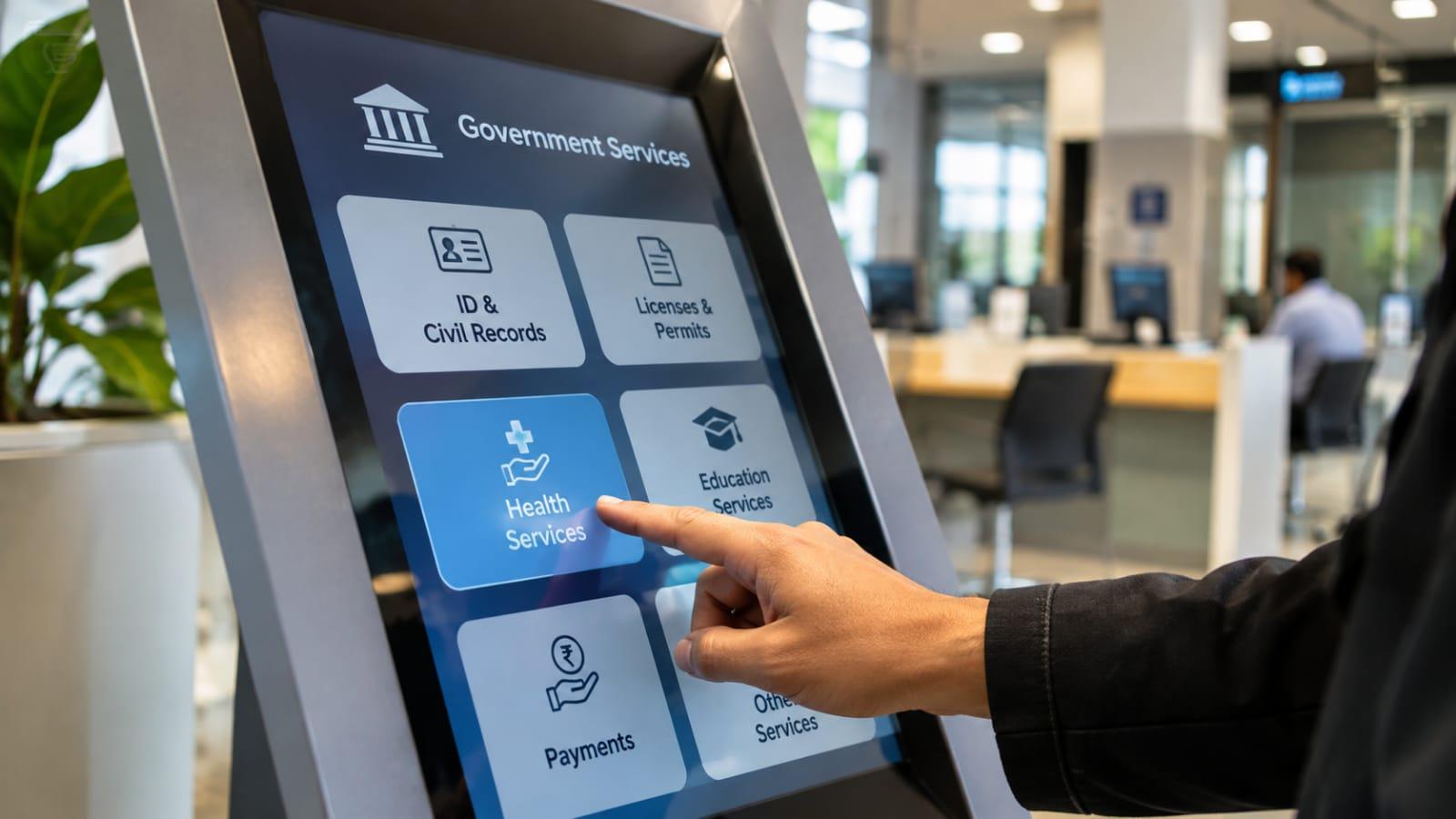
Pakistan is developing a single platform for public services, but its success will depend on connecting government systems and making digital access easier for citizens.
[For more news, click here]
Chinese technology company Alibaba is developing a government super app for Pakistan that aims to bring public services together on a single digital platform, according to a November 25 statement from Prime Minister Shehbaz Sharif's office.
The project forms part of a wider technology cooperation framework between Pakistan and Alibaba, covering digital transformation and public-sector services. Officials confirmed that development is underway but have not disclosed a launch date, implementation budget or a detailed list of services that will be available.
The initiative could simplify how citizens interact with government departments, although building one application is only part of the challenge. Its effectiveness will depend on how well existing government systems can exchange information and complete transactions across different agencies.
Bringing Government Services Under One Platform
Government super apps aim to replace fragmented digital services with a central platform where citizens can access information, submit applications and manage administrative requirements.
For Pakistan, such a platform could reduce the need to navigate multiple government websites or repeatedly provide the same information to different departments. However, combining services into one interface does not necessarily mean the systems behind them are integrated. Government agencies may operate separate databases, verification processes and technology infrastructure.
Connecting these systems requires common technical standards, secure information exchange and coordination between departments. Without those capabilities, a super app risks becoming another entry point to existing administrative procedures rather than improving how they work.
Similar digital government models are already developing elsewhere. As Tech Revolt previously reported, Saudi Arabia's Absher platform handled more than 45 million electronic transactions in October 2026, demonstrating how widely integrated government services can be used.
Pakistan's project remains at an earlier stage, with its commercial and operational impact yet to be demonstrated.
Alibaba Partnership Expands Pakistan's Digital Ambitions
Alibaba's involvement extends beyond the government super app. Pakistan has been working with the Chinese technology group on digital trade, artificial intelligence and services supporting businesses.
In October, Sharif directed government departments to accelerate projects involving Alibaba and establish clearer implementation targets. The cooperation includes initiatives related to export documentation, e-commerce and technology training.
The super app adds public administration to that wider relationship, giving Alibaba a potential role in the digital infrastructure connecting Pakistani citizens with government agencies.
However, authorities have not disclosed the app's hosting arrangements, data-management responsibilities or long-term operating model.
These details will matter because government platforms handle sensitive personal information. Pakistan will need appropriate safeguards for authentication, data access and cybersecurity, alongside arrangements that allow public institutions to retain control over their services.
Connectivity and Accessibility Remain Key Challenges
The government's digital ambitions also depend on whether citizens can reliably access online services. The officials reported that telecommunications operators had completed network upgrades in 86 cities in preparation for 5G deployment. Sharif also called for improvements in internet speed and connectivity nationwide.
Better network infrastructure could support wider adoption, but a government super app must also account for people using older devices, slower connections or requiring assistance with digital services.
Regional initiatives offer useful comparisons. The UAE's Mira government platform is designed to connect public services through an AI-powered conversational interface, although its rollout is scheduled to begin in 2027.
Pakistan has not confirmed comparable AI capabilities for Alibaba's super app. The project's next milestones will be the announcement of its launch timetable, supported services and technical arrangements. Its success will ultimately depend on whether citizens can complete government procedures more efficiently, rather than simply accessing them through a new application.
Related Articles
Exclusive: UAE's AI Strategy Moves Beyond Automation Towards Fully Orchestrated Government Services
Abu Dhabi Launches TAMM Global to Take Its AI Government Platform Overseas
GCC Approves AI Strategy to Advance Shared Government Services