Technology
Pakistan Turns to Digital Medicine Tracking to Combat Counterfeits and Restore Public Trust

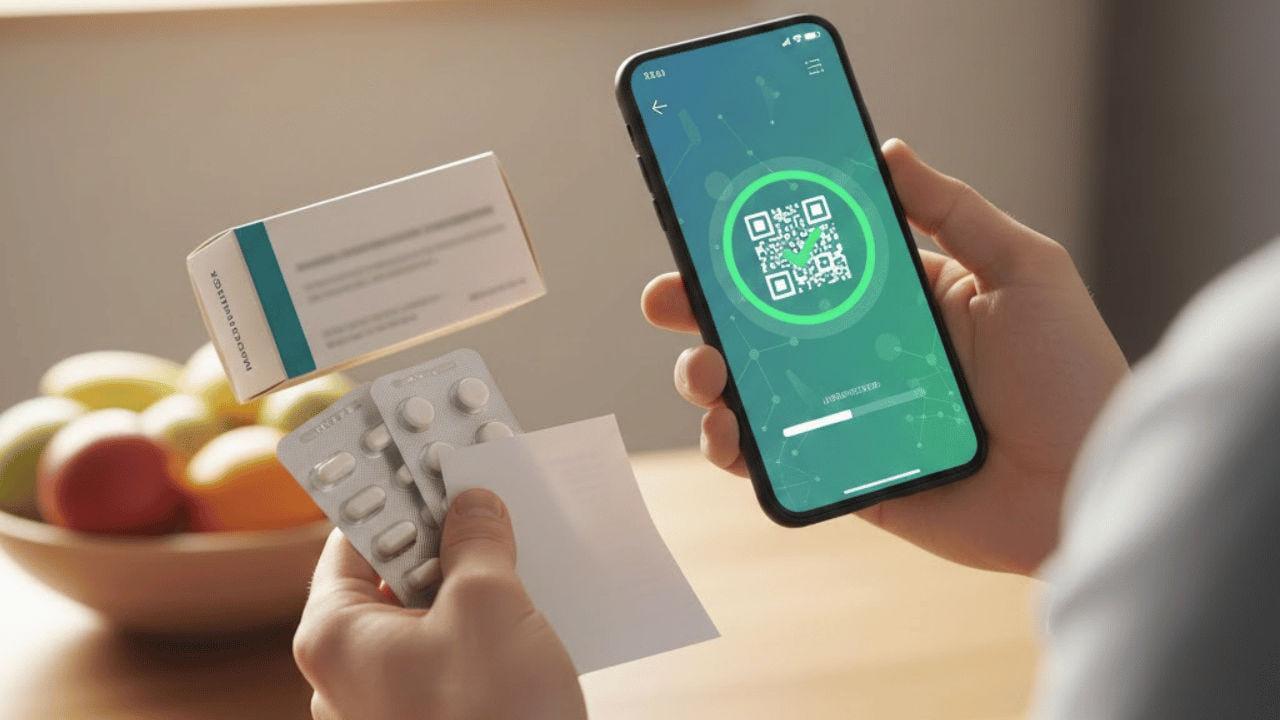
Pakistan is putting pharmaceutical verification in the hands of consumers, testing whether digital infrastructure can make healthcare supply chains safer and more transparent.
[For more news, click here]
Around 700 pharmaceutical companies have contributed information on approximately 92,000 medicines to Pakistan’s national drug database, creating the foundation for a digital system that allows consumers to verify pharmaceutical products before using them.
Prime Minister Shehbaz Sharif launched Mehfooz Dawa, a mobile application developed under the Ministry of National Health Services to combat counterfeit medicines, improve price transparency and identify pharmaceutical shortages.
Connected to the Drug Regulatory Authority of Pakistan (DRAP), the application represents the consumer-facing component of a national pharmaceutical tracking system that became operational on October 9, 2026. The initiative comes more than a decade after Pakistan first proposed introducing pharmaceutical barcodes in 2015, highlighting the institutional and operational challenges of digitising a highly regulated industry.
Turning Pharmaceutical Data Into a Public Service
The application allows consumers to scan medicine packaging and compare product information against DRAP’s centralised database. A colour-coded interface indicates the verification result, while additional features allow users to check registered prices, expiry dates and report suspected counterfeit products or shortages.
For regulators, consumer reports could provide valuable information about pharmaceutical distribution. Instead of relying exclusively on inspections and reports from manufacturers, authorities could identify recurring complaints, geographical patterns in medicine shortages and suspicious products circulating through retail networks.
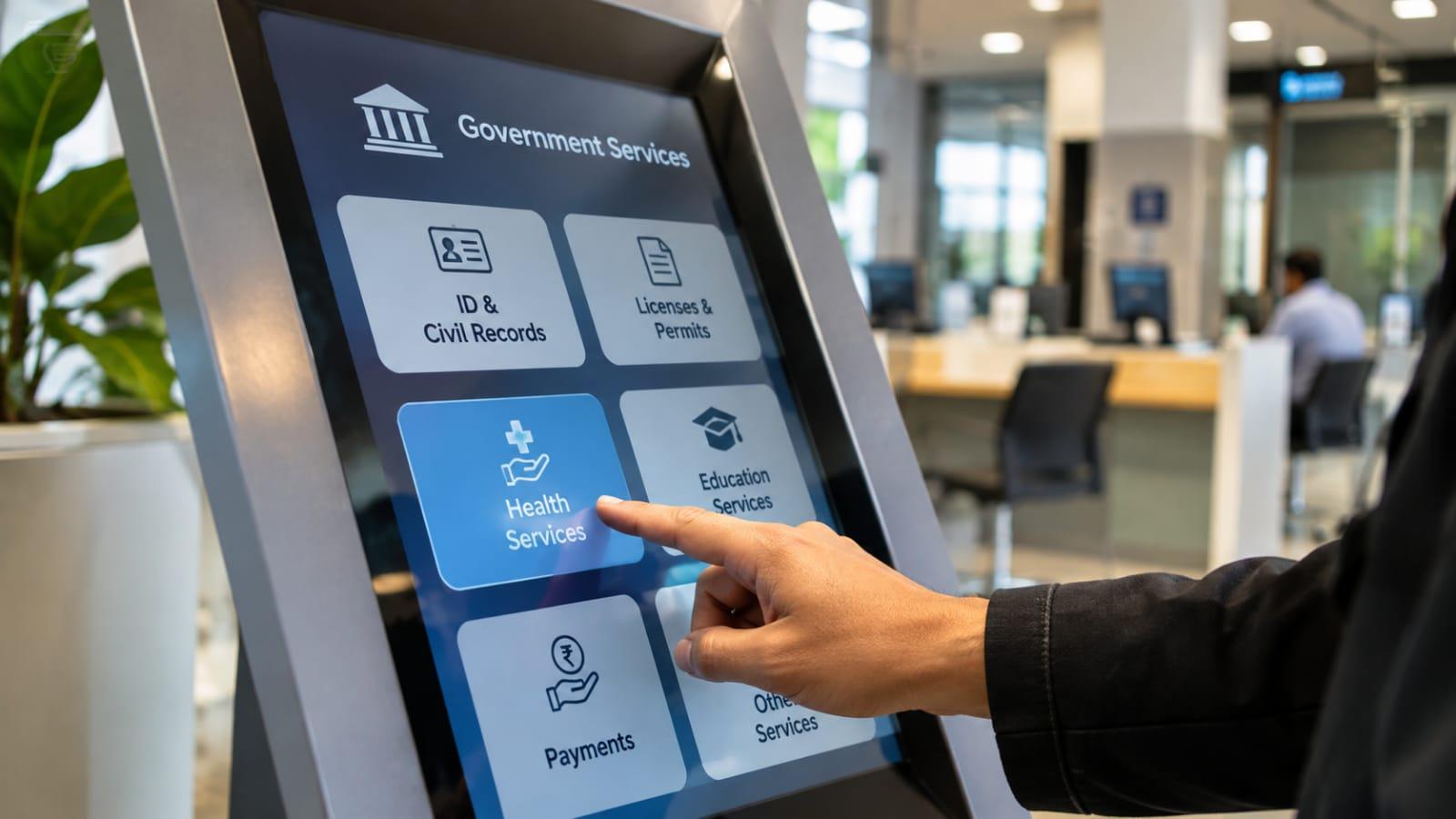
This approach reflects Pakistan’s efforts to make government data more accessible through digital services. Tech Revolt recently reported on the country's plans to develop a government super app with Alibaba, another initiative whose effectiveness will depend on connecting government databases and maintaining accurate information across institutions.
Why Digital Verification Alone Is Not Enough
The World Health Organization (WHO) estimated in 2017 that approximately one in ten medicines in low- and middle-income countries did not meet quality standards. Such products can undermine treatment effectiveness, increase healthcare expenditure and contribute to antimicrobial resistance.
Although digital verification can help identify suspicious medicines, matching a barcode against a government database does not necessarily guarantee the quality or authenticity of the physical product. Counterfeiters can potentially reproduce legitimate packaging, while genuine medicines may deteriorate because of improper storage or transportation.
A reliable pharmaceutical tracking system therefore requires accurate product identification, updated distribution records, laboratory testing and effective regulatory enforcement.
Pakistan will also need to ensure that pharmaceutical companies maintain accurate records and that regulators respond promptly to consumer complaints. Without these processes, the application risks becoming an information tool with limited enforcement capabilities.
Lessons From the Gulf’s Pharmaceutical Digitisation
Pakistan’s initiative follows similar developments in the Gulf, where governments are investing in technology to improve healthcare infrastructure and pharmaceutical security.
The UAE officially launched its national pharmaceutical tracking platform, Tatmeen, in 2023. The system uses internationally recognised GS1 serialisation standards to track pharmaceutical products throughout the supply chain, supporting product recalls and the identification of counterfeit or expired medicines.
The UAE’s experience illustrates the importance of connecting manufacturers, distributors, healthcare facilities and regulators through common digital standards. Investment in healthcare technology is also expanding across the region. As Tech Revolt previously reported, GCC healthtech startups attracted $148 million in disclosed funding between January 2025 and July 2026.
Pharmaceutical traceability could create further opportunities for technology providers specialising in barcode verification, supply chain management, cybersecurity and regulatory compliance. However, as digital healthcare infrastructure expands, data governance and security will become increasingly important to maintaining trust in these systems.
What to Watch
The effectiveness of Mehfooz Dawa will ultimately depend on consumer adoption, pharmaceutical industry compliance and the government's ability to act on reported violations. The number of verified products, confirmed counterfeit cases, resolved complaints and successful product recalls could provide more meaningful measures of progress than application downloads alone.
Accessibility will also remain important, particularly for communities with limited internet connectivity, smartphone access or digital literacy. Pharmacies and healthcare professionals could help extend verification services to patients unable to use the application independently.
Pakistan has established the digital infrastructure needed to make pharmaceutical information more accessible. Its next challenge is turning that information into effective regulatory action and measurable improvements in medicine safety.
Related Articles
Exclusive: Health-Tech Rising with Four Startups Redefining Care Access and Connection
Royal Pharmacy completes digital transformation with UAE-based AI-driven agency
Saudi Arabia opens LEAP's fifth edition by putting a price on intelligence