AI
SUSE expands AI-assisted management across Kubernetes, virtual machines and Linux

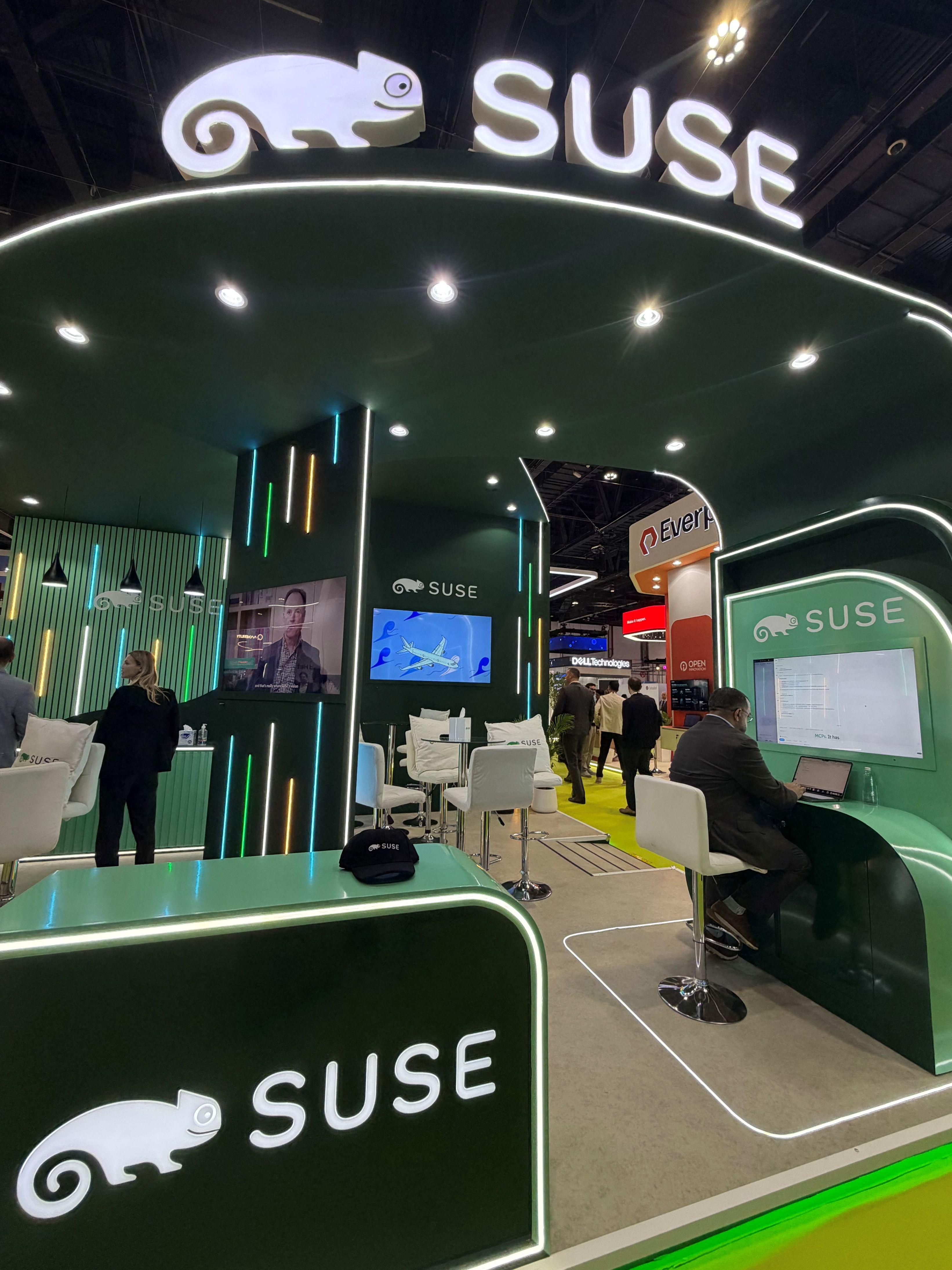
SUSE has introduced updates across Rancher Prime, AI Factory and Linux Enterprise Server, adding AI-assisted infrastructure management, improved virtualization support and security capabilities for hybrid environments.
(For more news, click here)
The shift toward AI-driven operations is adding new demands to enterprise IT infrastructure. Businesses need to support AI workloads alongside traditional applications while managing multiple environments, controlling costs, and maintaining security.
SUSE has announced new capabilities across its enterprise infrastructure platform, combining AI-assisted operations, virtualization management and software security tools. The updates cover SUSE Rancher Prime, SUSE AI Factory and SUSE Linux Enterprise Server (SLES) 16.1, aiming to simplify infrastructure operations while supporting AI and business-critical applications.
The announcement follows growing demand for unified infrastructure management. A SUSE-sponsored survey of 611 enterprise IT leaders across five countries found that 49% prioritized centralized Kubernetes management, while 91% acknowledged that employees sometimes bypass security controls to deploy AI workloads faster.
AI agents expand infrastructure management
SUSE Rancher Prime is expanding its AI-assisted management capabilities through Liz, a context-aware assistant supported by specialized agents designed to troubleshoot Kubernetes workloads and virtual machines.
The integration with SUSE Virtualization extends the assistant's capabilities beyond containerized applications, allowing administrators to investigate problems across different infrastructure environments.
New OAuth2 authentication support enables Liz to connect securely with Model Context Protocol (MCP) servers, providing access to external tools and operational data. The platform also introduces an AI-first command-line interface with server-side dry-run functionality, allowing teams to review proposed infrastructure changes before execution.
SUSE Observability StackPacks 2.0 adds further monitoring capabilities, helping administrators correlate operational data and identify potential problems. Human approval controls remain part of the process, limiting the actions AI agents can perform without authorization.
Thomas Di Giacomo, Chief Technology and Product Officer at SUSE, said: "As enterprises move from experimenting with AI to deploying it at scale, they need infrastructure that can support new workloads alongside existing applications."
The approach reflects growing interest in AI-assisted IT operations, where automated tools help administrators investigate incidents without transferring full control of infrastructure decisions to autonomous systems.
Unified infrastructure for AI and traditional workloads
Beyond AI-assisted troubleshooting, SUSE is updating its tools for managing Kubernetes, virtual machines and storage across hybrid environments.
SUSE Rancher Prime Virtual Clusters introduces a Hosted Control Plane mode for delivering Kubernetes as a Service through RKE2. Its storage platform also includes a second-generation data engine that SUSE says can deliver up to ten times faster performance in certain workloads.
Additional networking capabilities using Kube-OVN support tenant isolation and virtual networking, while Cluster API integration provides more options for managing Kubernetes infrastructure.
The company has also released SLES 16.1, bringing traditional, immutable and real-time workloads under a unified operating system lifecycle. The update includes live patching, post-quantum cryptography capabilities and software supply chain verification.
An on-device MCP framework is also included as a technical preview, allowing AI systems to access operating system information for diagnostics and administrative tasks.
The updated operating system is generally available, while the new Rancher CLI and Hosted Control Plane capabilities remain in open beta.
Strengthening AI software supply chain security
SUSE is also expanding security across the software development and deployment lifecycle, particularly for organizations building applications using third-party components.
SUSE Application Collection now offers more than 1,000 Python libraries built from verified sources, accompanied by software bills of materials and provenance information. These records help developers identify dependencies and assess potential software supply chain risks.
The libraries also support SUSE AI Factory, which provides infrastructure and components for developing and operating enterprise AI applications.
The upcoming SUSE Security 6.0 release is expected to introduce vulnerability scanning for deployed workloads and cluster nodes, alongside runtime protection designed to detect and block anomalous application behavior.
These security capabilities are not all available immediately, with additional functionality scheduled for future releases.
The updates illustrate how enterprise infrastructure providers are incorporating AI into everyday system administration while adapting existing platforms to support increasingly demanding workloads. For organizations adopting these tools, the practical consideration will be whether AI-assisted operations can reduce management complexity without introducing new security or reliability risks.