Startups
MWC26 Doha Opens With Focus on MENA's Connectivity Gap

GSMA's opening-day reports examined mobile internet adoption and how operators can turn 5G investment into sustainable revenue.
(For more news, click here)
Mobile networks support digital services across the Middle East and North Africa. The region faces two connected challenges: bringing more people online and turning network investment into services that people use.
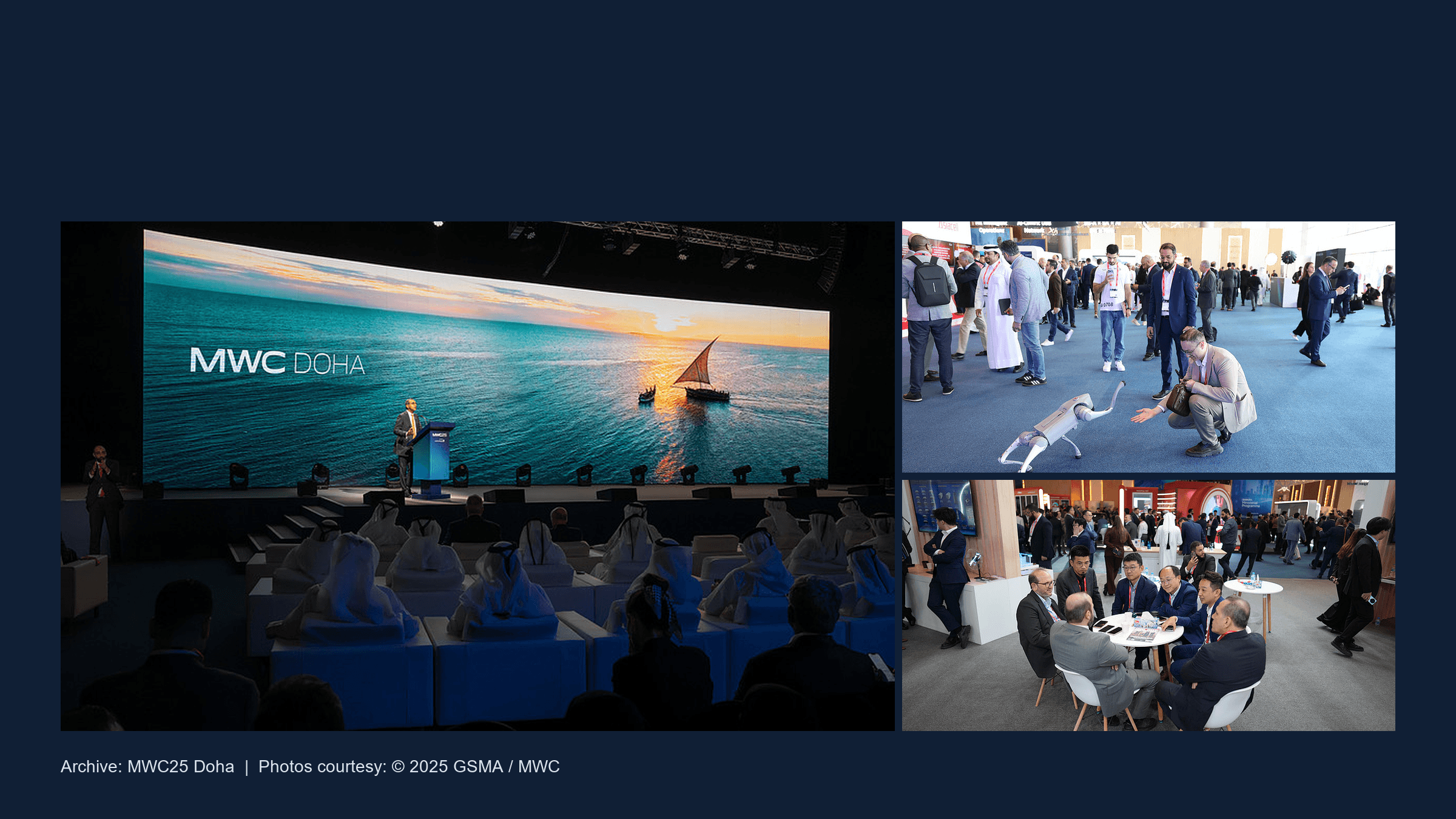
MWC26 Doha opened on November 8 at the Doha Exhibition and Convention Centre. Organized by GSMA with Qatar's Ministry of Communications and Information Technology, the event brought those questions into discussions on global standards, digital access and network development.
GSMA's Mobile Economy MENA 2026 report found that 49% of the region's population remained offline in 2025 despite living within mobile internet coverage. The finding highlights a usage gap. Extending coverage alone will not bring everyone online.
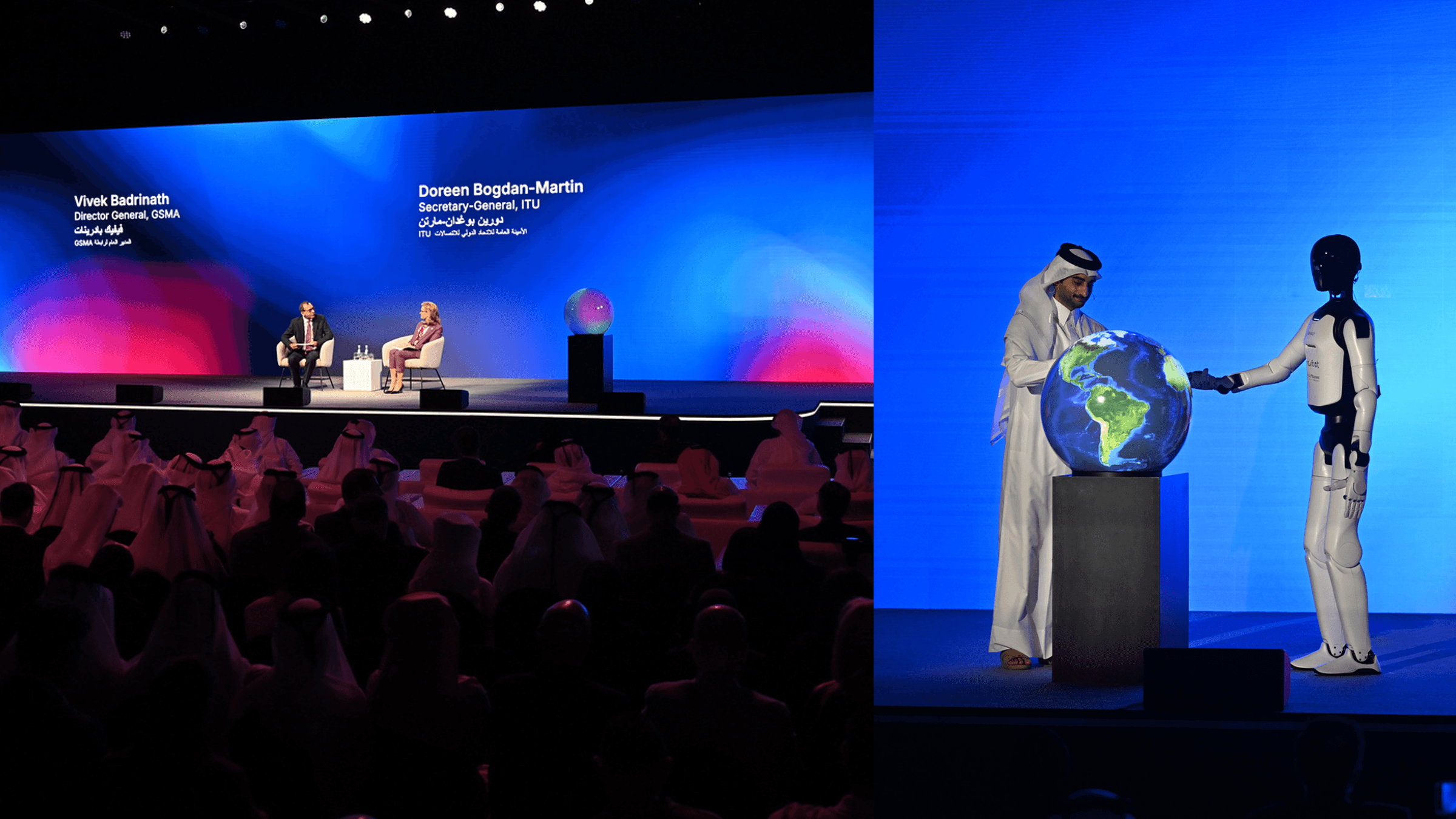
GSMA Director General Vivek Badrinath discussed the priorities with ITU Secretary-General Doreen Bogdan-Martin. He called for standards that keep networks working across borders and efforts to connect underserved populations.
"Progress only counts if everyone shares in it."
In his welcome address, Qatar's communications minister, Mohammed bin Ali Al Mannai, linked growing AI capabilities to the need for resilient networks. He also emphasized service continuity.
Mobile growth beyond telecoms
The opening release put mobile's economic contribution at $380 billion in 2025, equivalent to 5.8% of regional GDP. GSMA projects that contribution will reach $470 billion by 2030.
GSMA's report summary places that growth in a wider business context. Mobile's impact extends beyond operator revenues to productivity and digital transformation across other industries. Manufacturing and services are projected to account for almost half of mobile's economic benefits. The report also forecasts mobile's economic contribution will grow faster than regional GDP between 2025 and 2030.
Progress remains uneven. In the GCC, GSMA puts 5G adoption at 49% in 2025 and forecasts 95% by 2030. Operators are forecast to spend $88.9 billion in capital expenditure across MENA between 2025 and 2030. The investment supports network expansion and upgrades. GSMA identifies enterprise services, connected devices and satellite integration among the opportunities.
Turning 5G networks into services
The 5G Monetisation MENA report examines the commercial challenge. Its public summary says average revenue per user has remained broadly flat despite the region's advanced networks. It forecasts almost 350 million 5G connections by 2030, up from 67 million in 2025.
The MWC report briefing identifies fixed wireless access as the clearest consumer revenue opportunity. This uses mobile networks to provide broadband to homes and small businesses. Around 64% of MENA's commercial 5G networks already offered it.
Private networks provide another route, supporting industrial operations rather than relying only on consumer subscriptions. The briefing points to applications in energy, manufacturing and ports. It also identifies opportunities to deliver AI services through operators' networks and computing infrastructure.
Policy formed another part of the opening-day agenda. MWC's co-location with ITU's Plenipotentiary Conference brings industry representatives alongside a separate international policy process. PP-26 is the highest policy-making body of the International Telecommunication Union (ITU), the United Nations agency for digital technologies. The conference was scheduled to run from November 9 to 27 in Doha. Held every four years, it sets ITU's overall direction, approves strategic and financial plans, and elects its leadership. The overlap connects the event's commercial discussions with institutions responsible for international technical standards and digital cooperation.
The Digital Leadership Forum also appeared on the November 8 program. Its agenda covered policy, regulation and investment priorities for inclusive digital transformation.
The opening-day message connected regional network ambitions with practical use. Wider adoption can expand access to digital services. For operators, the commercial opportunity depends on turning network capabilities into services that households and businesses use.