Deep Tech
Quantum and AI: The technology convergence that could redefine computing

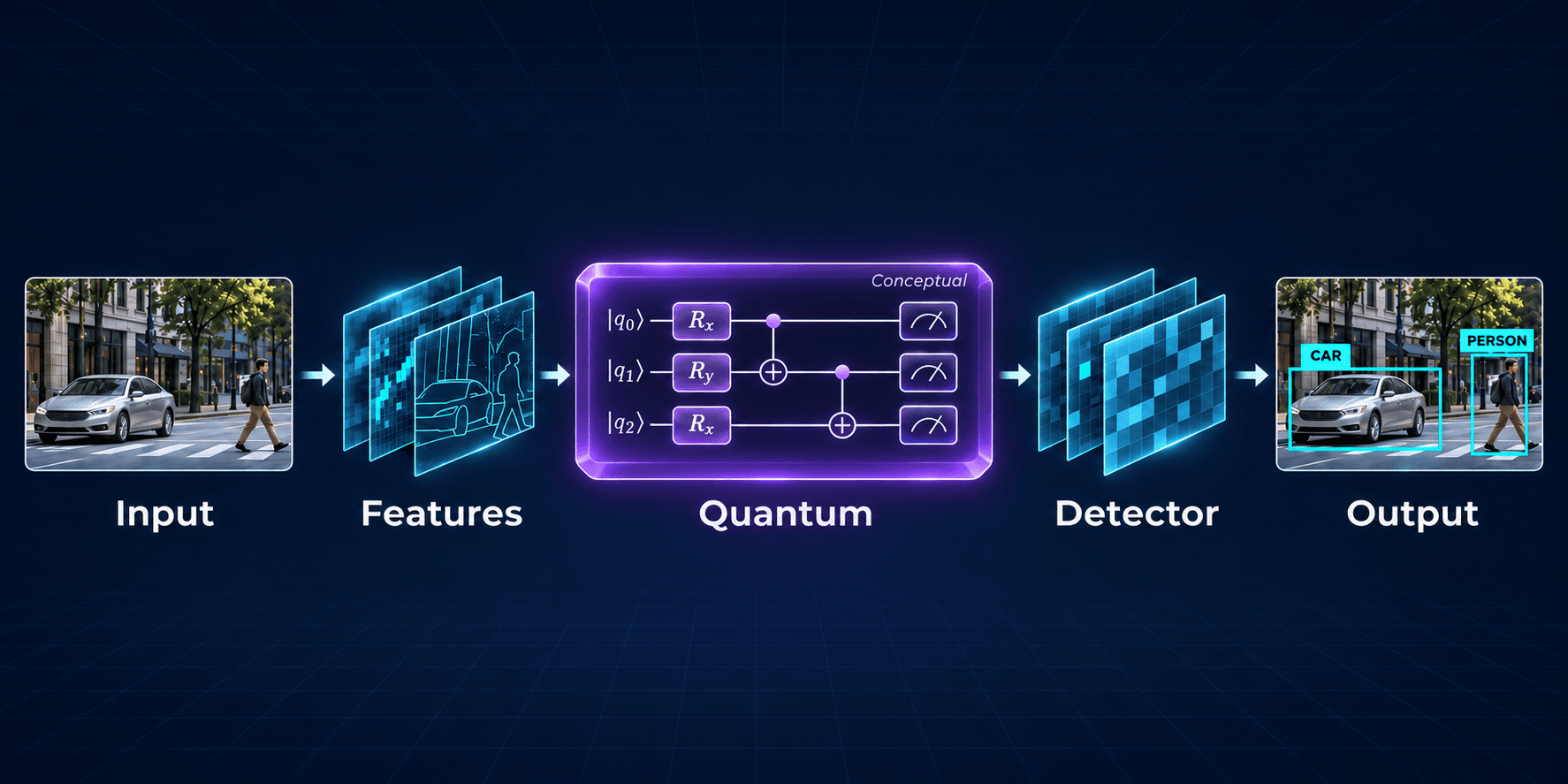
Heriot-Watt University Dubai researchers are exploring how quantum components can work within conventional AI models to process images and detect objects.
Artificial intelligence (AI) has made remarkable progress in recent years, transforming how we process information, make decisions and solve complex problems. However, this progress comes at a growing computational cost. Training complex AI models requires enormous processing power, substantial energy consumption and increasingly advanced computing infrastructure. As AI applications become more complex, an important question emerges: can conventional computing continue to meet these demands, or will we need fundamentally different approaches?
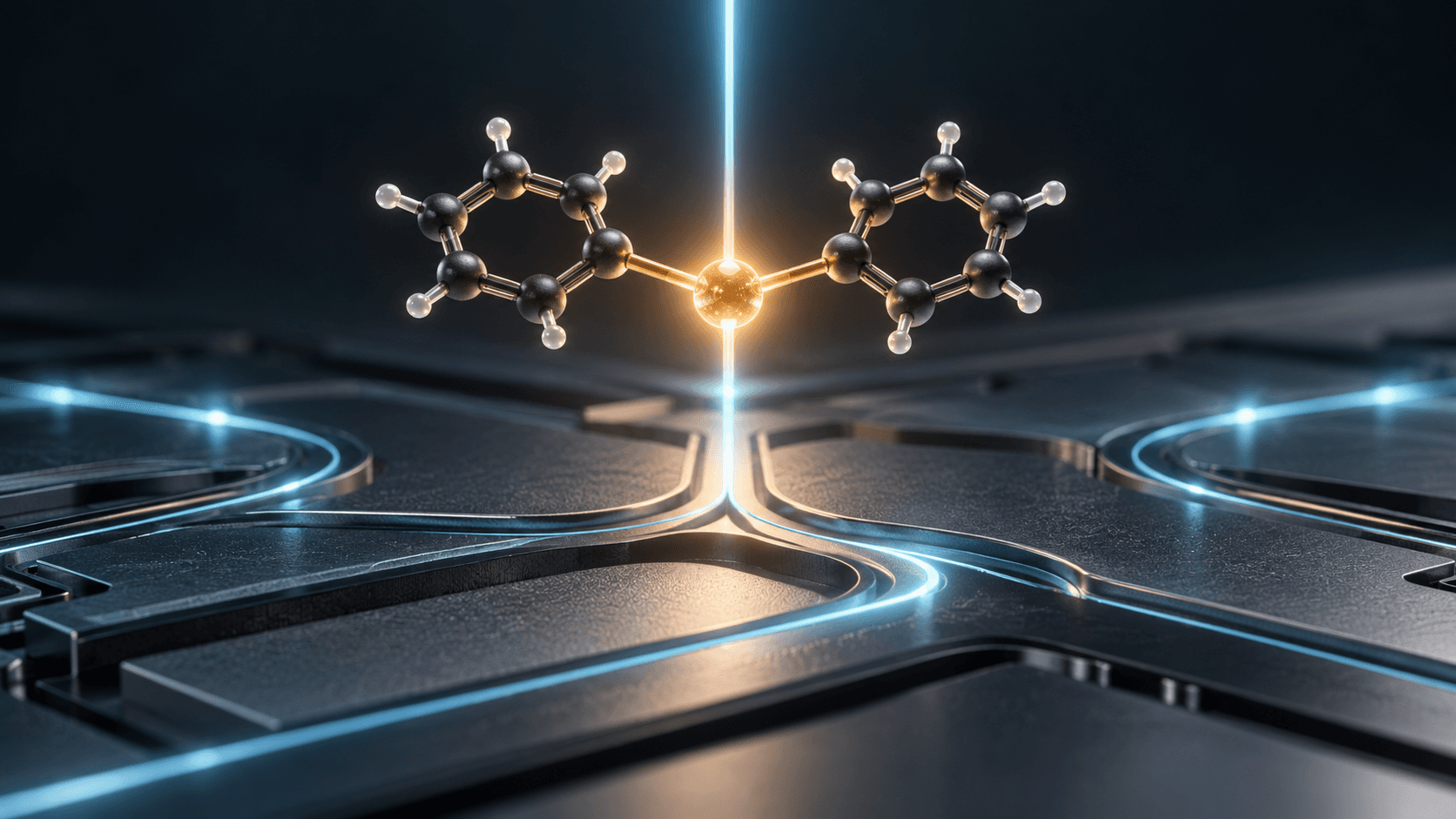
Quantum computing offers an intriguing possibility. Unlike conventional computers, which process information using bits representing either 0 or 1, quantum computers use qubits, or quantum bits. Through properties such as superposition and entanglement, qubits can represent and manipulate information in ways that classical bits cannot. This does not mean quantum computers are automatically faster at every task. Their advantage depends on whether a problem can be addressed using quantum algorithms that exploit these properties effectively.
What I find particularly exciting about the convergence of quantum computing and AI is the possibility of rethinking how intelligent systems process and learn from information. Rather than simply making existing algorithms faster, quantum computing could introduce new ways of designing AI models and performing certain computational operations. This is particularly relevant to areas such as computer vision, where AI systems must analyse visual information, recognise patterns and identify objects within images.
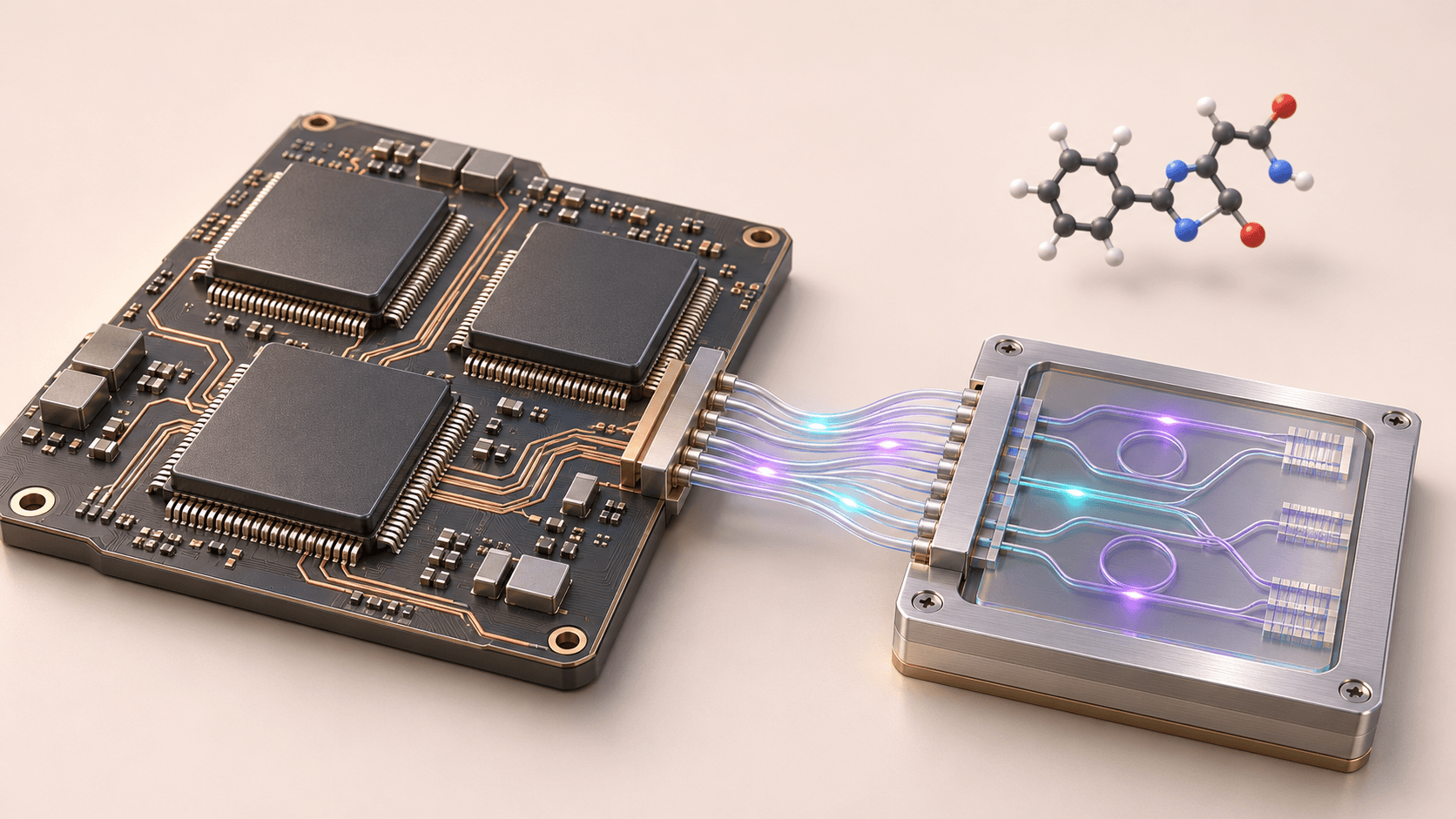
This potential is something I have had the opportunity to explore through supervising a student dissertation at Heriot-Watt University Dubai. The project investigated how quantum computing techniques could be integrated into Convolutional Neural Networks (CNNs), a widely used AI approach for image processing and object detection. Specifically, we explored replacing part of the architecture of an existing object detection model with a quantum-based component, creating a hybrid approach that combines conventional AI techniques with quantum computing.
The idea behind the project was to investigate whether operations traditionally performed by classical neural networks could be approached differently using quantum algorithms. Following the initial design and development, the implementation was successfully completed, with very promising results. Although further experimentation is needed to establish the practical advantages and scalability of the approach, this experience has strengthened my belief that quantum computing could become a valuable complement to conventional AI, opening new possibilities for how intelligent systems are designed.
Beyond computer vision, similar opportunities could emerge in domains such as healthcare, finance, logistics or energy management. Consider an AI system designed to optimise traffic across a large metropolitan area. It must account for thousands of vehicles, road conditions and constantly changing traffic patterns. Quantum optimisation techniques could potentially help address certain aspects of such complex problems, complementing AI's ability to analyse information and make predictions. These applications are particularly relevant to the GCC region, where smart infrastructure, energy efficiency and technological innovation are increasingly important priorities.
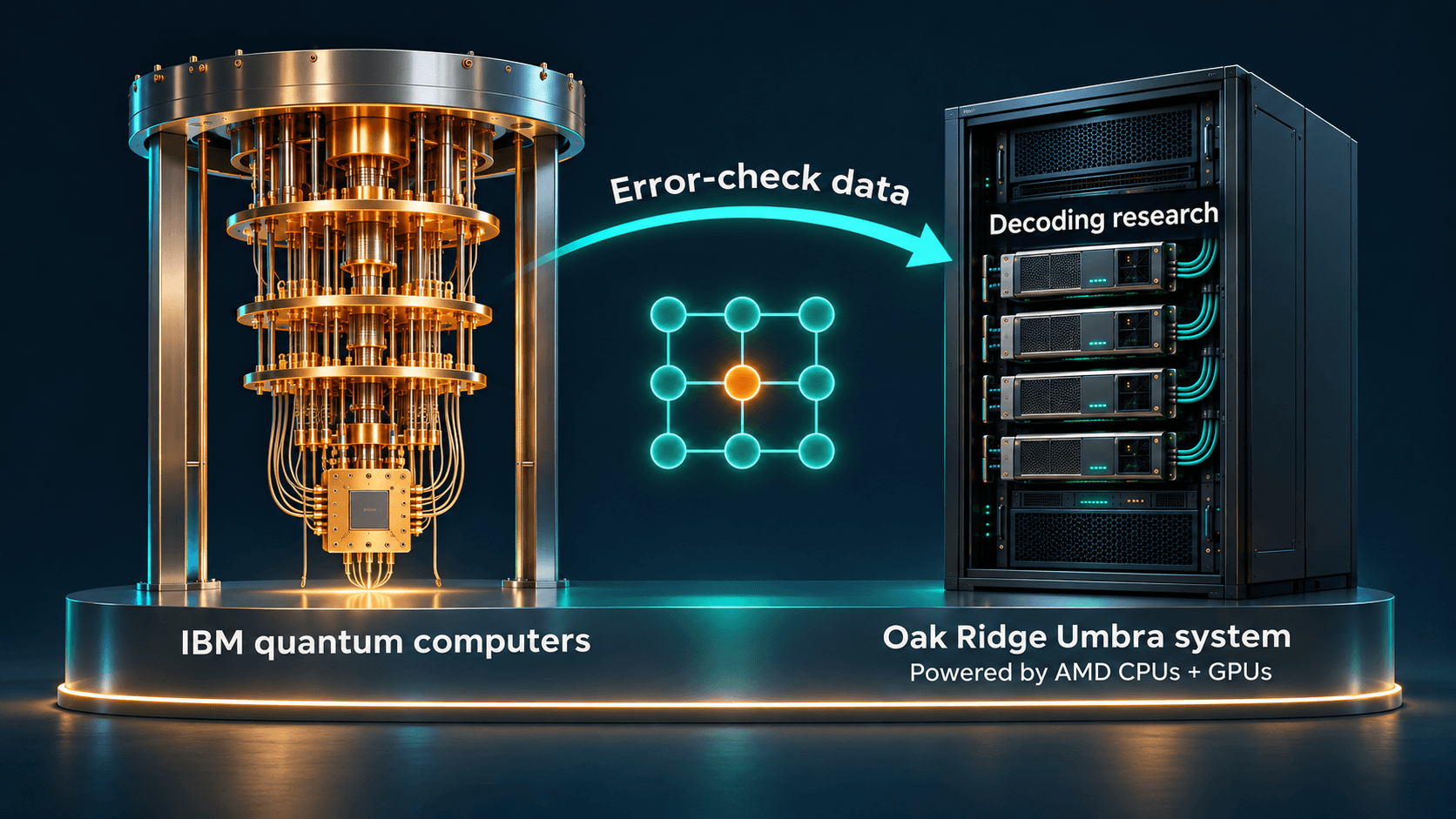
In my view, the most promising direction is not necessarily about quantum computers replacing conventional computing technologies, but rather about combining their strengths. Hybrid systems could allow classical and quantum components to work together, each handling the operations for which it is best suited. Interestingly, this relationship also works in the opposite direction, with AI techniques being investigated to improve quantum hardware performance, identify errors and optimise quantum systems.
Of course, significant challenges remain. Today's quantum computers are still limited by hardware reliability, computational errors and scalability. Furthermore, many quantum machine learning approaches have yet to demonstrate consistent practical advantages over classical alternatives. However, I see these challenges as opportunities for further research, particularly in developing hybrid architectures that can progressively incorporate quantum capabilities as the technology matures.
For the GCC, these developments highlight the importance of investing in research and developing expertise across both fields. The UAE, in particular, has demonstrated a forward-looking vision by placing AI, advanced computing and emerging technologies at the heart of its national development strategy. This creates a promising environment for research and innovation, where universities and industry can collaborate to explore new technologies and develop solutions addressing regional and global challenges.
To conclude, I believe that the convergence of quantum computing and AI has the potential to open an exciting new chapter in technological innovation. By combining the learning and decision-making capabilities of AI with the unique computational possibilities offered by quantum technologies, we could unlock solutions to problems that are currently beyond the reach of conventional computing. From accelerating scientific discoveries to developing more efficient, adaptive and intelligent systems, the possibilities are vast.
Dr Adrian Turcanu, Dubai Head of Computer Science, School of Mathematical and Computer Sciences, Heriot-Watt University Dubai